
Switch to reusable grocery bags and use them often to replace single-use plastic.
You want a simple way to cut waste fast. You also want proof that it works. I’ve helped teams roll out bag-reduction plans in stores, and I’ve tested every kind of tote at home. In this guide, I’ll show How To Reduce Plastic Waste With Reusable Grocery Bags in clear steps, with data, tips, and real-life lessons you can use today.
:max_bytes(150000):strip_icc()/__opt__aboutcom__coeus__resources__content_migration__mnn__images__2016__12__reusable-shopping-bag-ad062fbe26bf42d0b312a9485ef746b5.jpg)
The plastic problem at the checkout
Most store plastic bags are used for minutes and then tossed. They clog streets, harm wildlife, and break into microplastics that linger for years. The fix is simple and proven: bring your own bag and use it many times.
Cities that cut plastic bag use often see big drops in waste. Many places report more than a 70% fall after a fee or ban. That result matches what studies find when people switch to reusables with steady use.
At its core, How To Reduce Plastic Waste With Reusable Grocery Bags is about habit. One small change you repeat each week has a large effect over time. It also sends a clear signal to stores and brands.

How reusable grocery bags actually cut waste
Reusable bags replace a stack of thin plastic bags over their life. The key is break-even use. That is when a reusable bag’s total impact becomes lower than single-use plastic.
Here is what life cycle studies tend to show. Numbers vary by study and by power source for making bags. But the pattern is clear:
- Non-woven polypropylene bags often break even in about 10 to 20 uses.
- Recycled PET fabric bags tend to break even in about 8 to 15 uses.
- Cotton bags need many more uses, often 50 to 150, due to water and energy.
- Paper bags break even in a few uses for litter and resource use, but not always for strength.
Use is the lever you control. If you buy a strong bag and use it many times, you win. How To Reduce Plastic Waste With Reusable Grocery Bags works best when you pick a durable bag and stick with it.

Choosing the best reusable bags for your life
Pick bags that fit your food, your body, and your routine. The best bag is the one you will use often.
Look for these traits:
- Strong seams and handles that can hold 30 pounds.
- Fabric you can wash in a machine or wipe clean.
- A size that stacks well in a cart and trunk.
- A flat base for jars and eggs.
- A foldable pocket bag for surprise stops.
- Clear labels, like “produce,” “meat,” or “freezer,” to avoid mix-ups.
Material tips:
- Non-woven polypropylene is light, cheap, and tough. Great for weekly use.
- Recycled PET is soft and often machine washable.
- Cotton feels nice and lasts, but needs lots of uses. Choose organic or recycled if you can.
- Jute and hemp are very strong and work well for heavy items.
Choose once and use for years. That is How To Reduce Plastic Waste With Reusable Grocery Bags without stress.
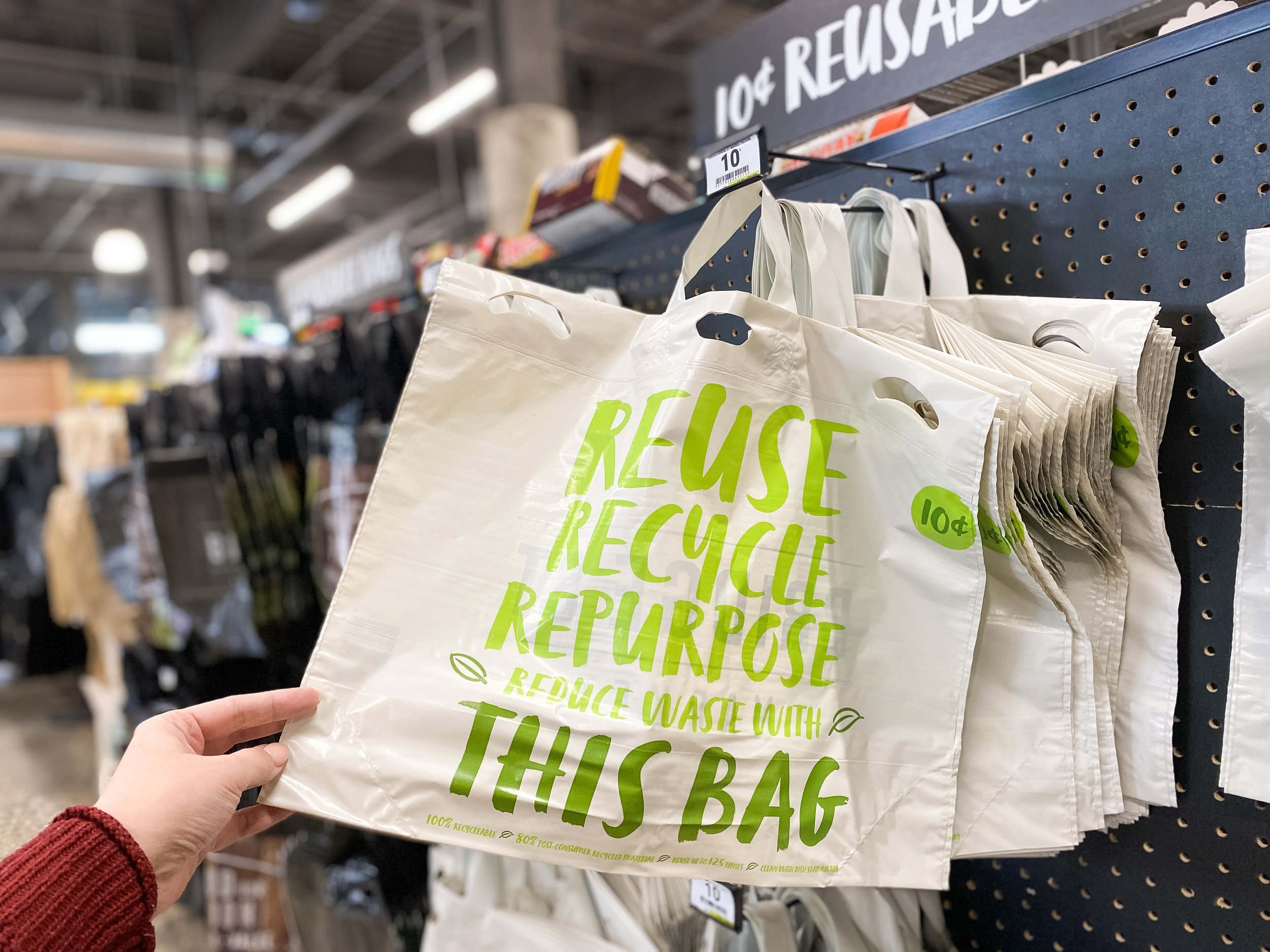 remember your bags every time”
style=”max-width: 100%; height: auto; border: 2px solid black; border-radius: 10px; display: block; margin: 0 auto;”
loading=”lazy”
/>
Simple habits to remember your bags every time
For most people, the hard part is to remember the bag. Make it hard to forget and easy to grab.
Try these habits:
- Keep a bin of bags in your trunk or by your door.
- Put two pocket bags in your coat and backpack.
- After you unload, hang the bags on the doorknob so they go back to the car.
- Add a “Bring bags” line to your shopping list template.
- Set a phone reminder for the time you tend to shop.
If you forget, ask for a paper bag only if you must. Better yet, carry items by hand if it is a small run. These tiny wins are part of How To Reduce Plastic Waste With Reusable Grocery Bags day to day.

Clean, safe, and long-lasting bag care
Bags touch carts, belts, and floors. Clean them on a set schedule. It takes minutes and keeps food safe.
Care steps that work:
- Wash fabric bags weekly or after carrying meat or fish. Use hot water if safe for the fabric.
- Wipe plastic-lined or polypropylene bags with soapy water. Dry fully.
- Keep one bag just for raw meat, sealed items, or cleaners. Mark it with tape.
- Store bags dry and open to prevent odor and germs.
Regular care keeps bags like new and keeps the break-even math in your favor. Clean care is part of How To Reduce Plastic Waste With Reusable Grocery Bags with no risk.
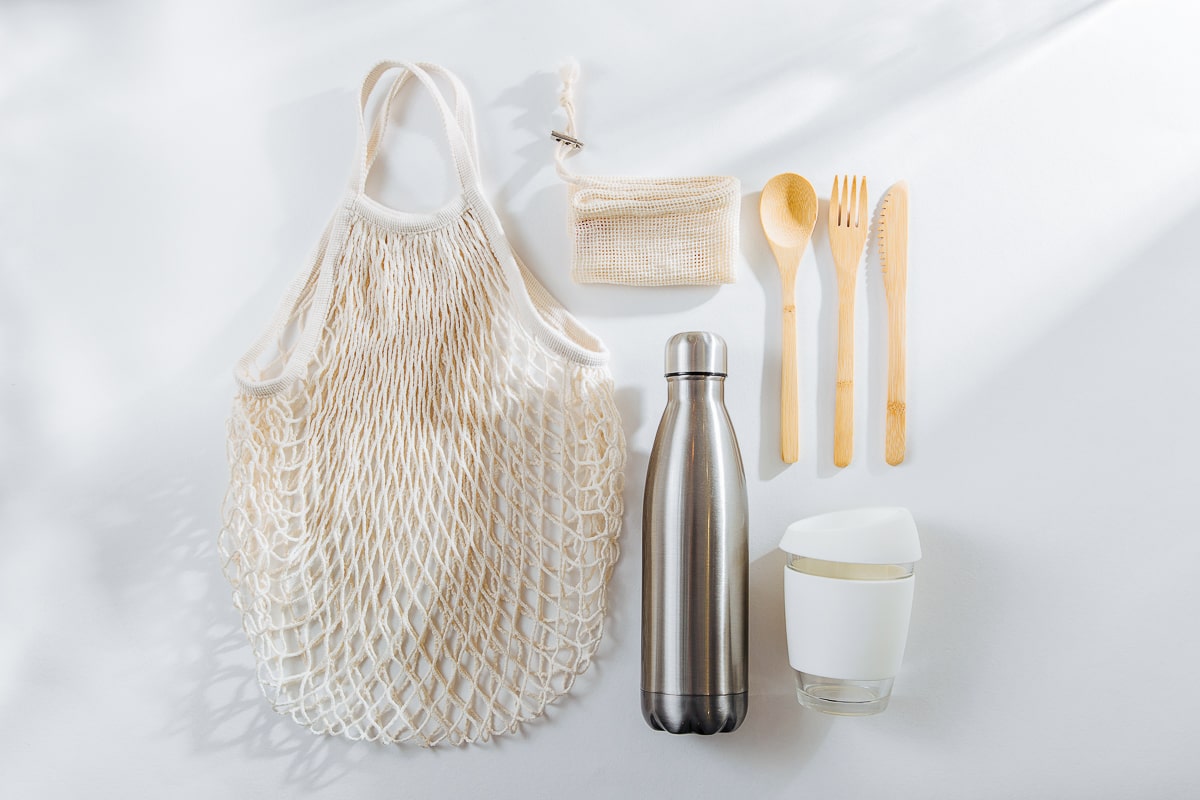
Shopping swaps that avoid hidden plastic
Bags are step one. The rest of your cart can help too. Small swaps add up fast.
Try these moves:
- Use mesh produce bags for fruits and veggies.
- Put bakery items straight into your tote or a cloth bread bag.
- Choose jars, cans, or paper boxes over plastic when you can.
- Buy in bulk with your own containers where stores allow it.
- Skip extra bagging for items with handles or sturdy packs.
- Say, “No bag, thanks,” at the deli for items you can carry or combine.
Each swap cuts a bit more plastic. They also support How To Reduce Plastic Waste With Reusable Grocery Bags as a full shopping system, not a one-off trick.

From home to community: scaling your impact
Your choice can spark change where you shop. People copy what they see. Stores respond to what repeats.
Ways to grow the win:
- Ask your market to sell sturdy bags made from recycled content.
- Suggest a small bag credit for customers who bring their own.
- Join local cleanups and hand out foldable bags.
- Share extra bags with friends, neighbors, or a food pantry.
- Thank cashiers who skip bags when items are easy to carry.
This is How To Reduce Plastic Waste With Reusable Grocery Bags beyond your home. You vote with your bag and your voice.

What it costs and what you save
Reusable bags cost a few dollars each. You may need 6 to 10 for a big shop. That cost pays back fast if your store has bag fees or offers small credits.
A simple example:
- Ten sturdy bags at 2 dollars each cost 20 dollars.
- If you avoid a 10-cent bag fee on 10 bags per shop, you save 1 dollar per trip.
- In 20 trips, the bags pay for themselves, and they keep saving you money.
Savings also come in fewer broken handles and fewer spills. The math of How To Reduce Plastic Waste With Reusable Grocery Bags is strong for your wallet and the planet.

Limits, trade-offs, and honest pitfalls
No solution is perfect. Some bags have higher impacts if you never use them. Cotton has a large footprint unless used many times. Dirty bags can also move germs if not washed.
How to avoid the traps:
- Do not collect more totes than you need.
- Choose durable bags you enjoy using.
- Wash bags often and keep a clean meat-only bag.
- Recycle or repurpose worn-out bags where programs exist.
These notes keep How To Reduce Plastic Waste With Reusable Grocery Bags honest and effective. Be clear-eyed, then act.
What finally worked for me (real-life tips)
I used to forget my bags all the time. My fix was a big trunk bin and two pocket bags in my jacket. I also labeled one red tote “MEAT” and wash it after each use.
Over a year, my home skipped hundreds of plastic bags. The totes look a bit worn now, which I love. It reminds me that How To Reduce Plastic Waste With Reusable Grocery Bags is a habit, not a trend.
Frequently Asked Questions
How many reusable bags should I own?
Most households do well with 6 to 10. Add two pocket bags for small or surprise trips.
What type of reusable bag is best for beginners?
Non-woven polypropylene or recycled PET is great. They are light, tough, and easy to clean.
How often should I wash my reusable bags?
Wash weekly or after carrying raw meat or fish. Follow the fabric care tag for water temperature.
Do reusable bags really reduce plastic waste?
Yes, when used often. Studies show they displace many single-use plastic bags over time.
What if I forget my bags at home?
Carry items by hand if the load is small. For bigger trips, keep a spare foldable bag in your pocket or car.
Conclusion
Small steps work when you repeat them. Choose a strong bag, set a reminder, clean it often, and say no to extra bags. With steady use, your tote will replace stacks of plastic and save you money.
Start today. Pick one habit from this guide and make it yours this week. If this helped, share it with a friend, subscribe for more practical tips, or leave a comment with your best bag hack.