Bring reusable bags, buy less packaging, choose seasonal food, and cut food waste.
If you want to know how to make grocery shopping more eco friendly without stress or guesswork, you’re in the right place. I’ve spent years testing simple switches, tracking my receipts, and reading the latest data. In this guide, I break down smart steps that work in real life. You will learn how to plan, what to buy, and how to waste less. Stick with me and you’ll shop greener, save money, and feel good about every cart you push.
Why eco-friendly grocery shopping matters
Food is a big part of your carbon footprint. Growing, processing, and shipping food uses land, water, and fuel. Global studies show food systems drive a large share of emissions. The EPA also notes that food waste is a leading part of what ends up in landfills.
The good news is that small choices add up fast. You do not need to change your whole diet at once. Think of this as a ladder. Each rung is a habit that makes a dent.
This article shows how to make grocery shopping more eco friendly with steps that fit any budget and schedule. You can do it one bag, one list, and one meal at a time.

Plan before you shop
A green trip starts at home. A list keeps you on track and cuts waste. Check your fridge and pantry. Plan 3 to 5 simple meals that share the same ingredients.
Try this fast flow:
- Check what you have. Build meals around open items.
- Set a flexible plan. Pick recipes that use the same base, like rice or beans.
- Make a short list. Group it by store area to cut time and impulse buys.
My own rule is use-what-you-have first. It slashed my food waste by half and trimmed my bill by 15%. It is the easiest way to make grocery shopping more eco friendly right now.
Is online grocery delivery greener than driving?
It can be. A shared delivery route often beats many solo car trips. If you walk, bike, or combine errands, that is also greener than a special drive.
Smarter transport and route choices
How you get to the store matters. A car adds emissions, but you can still lower them.
Try these options:
- Walk or bike when you can. Use a backpack or a sturdy tote.
- Combine errands into one loop to cut miles.
- Carpool with a neighbor or a friend on the same route.
If you must drive, keep your tires full and avoid idling. Small maintenance steps save fuel. It is another clear way on how to make grocery shopping more eco friendly without changing what you buy.

Choose low-impact foods first
Plants tend to have a lower footprint than most animal foods. Beans, lentils, whole grains, and seasonal produce give great value and taste. Global studies show shifting part of your plate to plants can cut emissions fast.
Here is a smart order to shop:
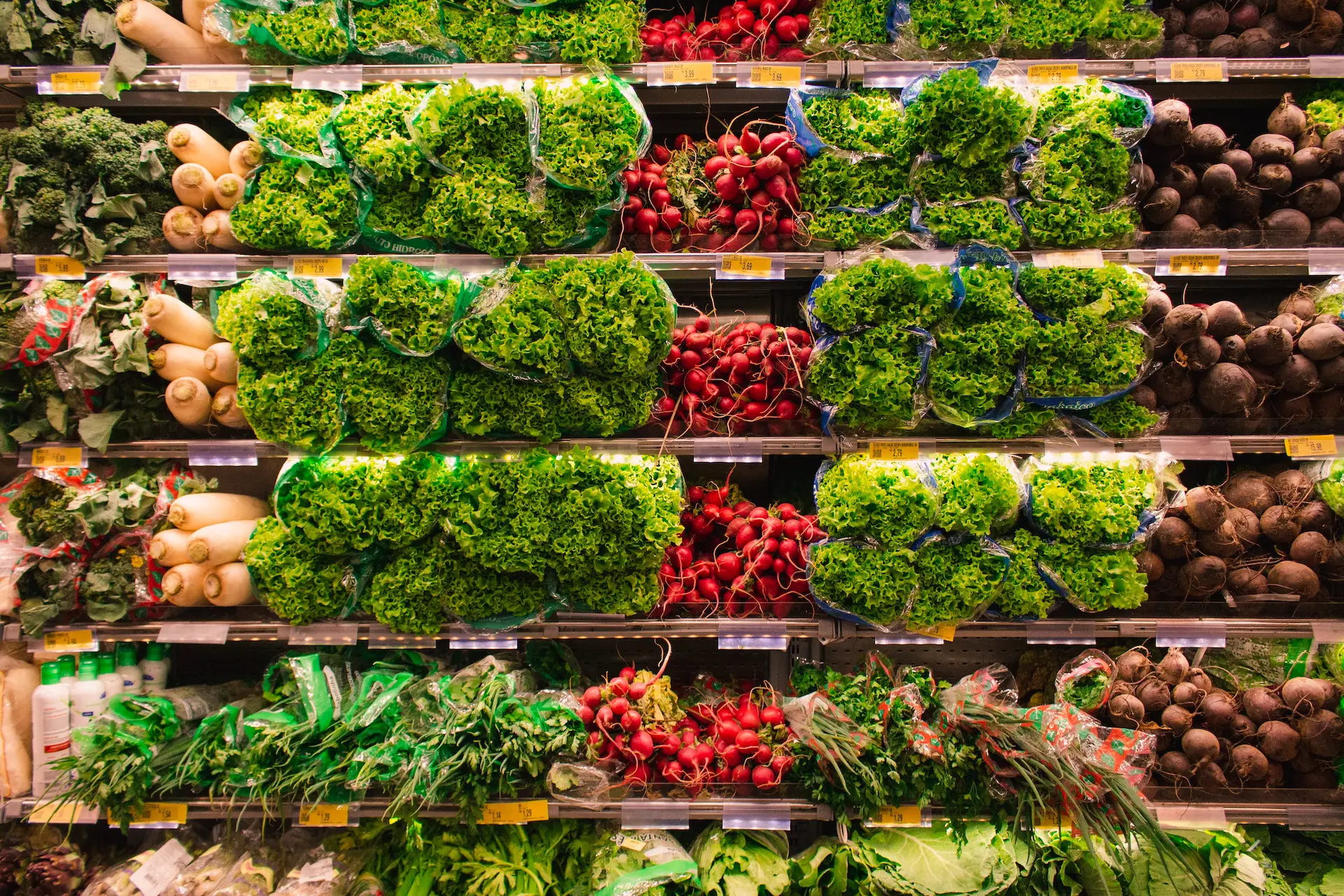
- Produce first. Pick seasonal items for better taste and fewer miles.
- Grains and legumes next. They store well and stretch meals.
- Animal products last. Buy less but better quality.
Look for trusted labels on dairy, eggs, and meat. Animal welfare and pasture-based systems can help land and soil. This is a core move in how to make grocery shopping more eco friendly over time.
Should I always choose organic?
Not always. Organic helps reduce some farm chemicals, which can aid soil and water. But local, seasonal, and low-waste choices can be just as strong. Balance cost, taste, and your goals.

Packaging choices and zero-waste tactics
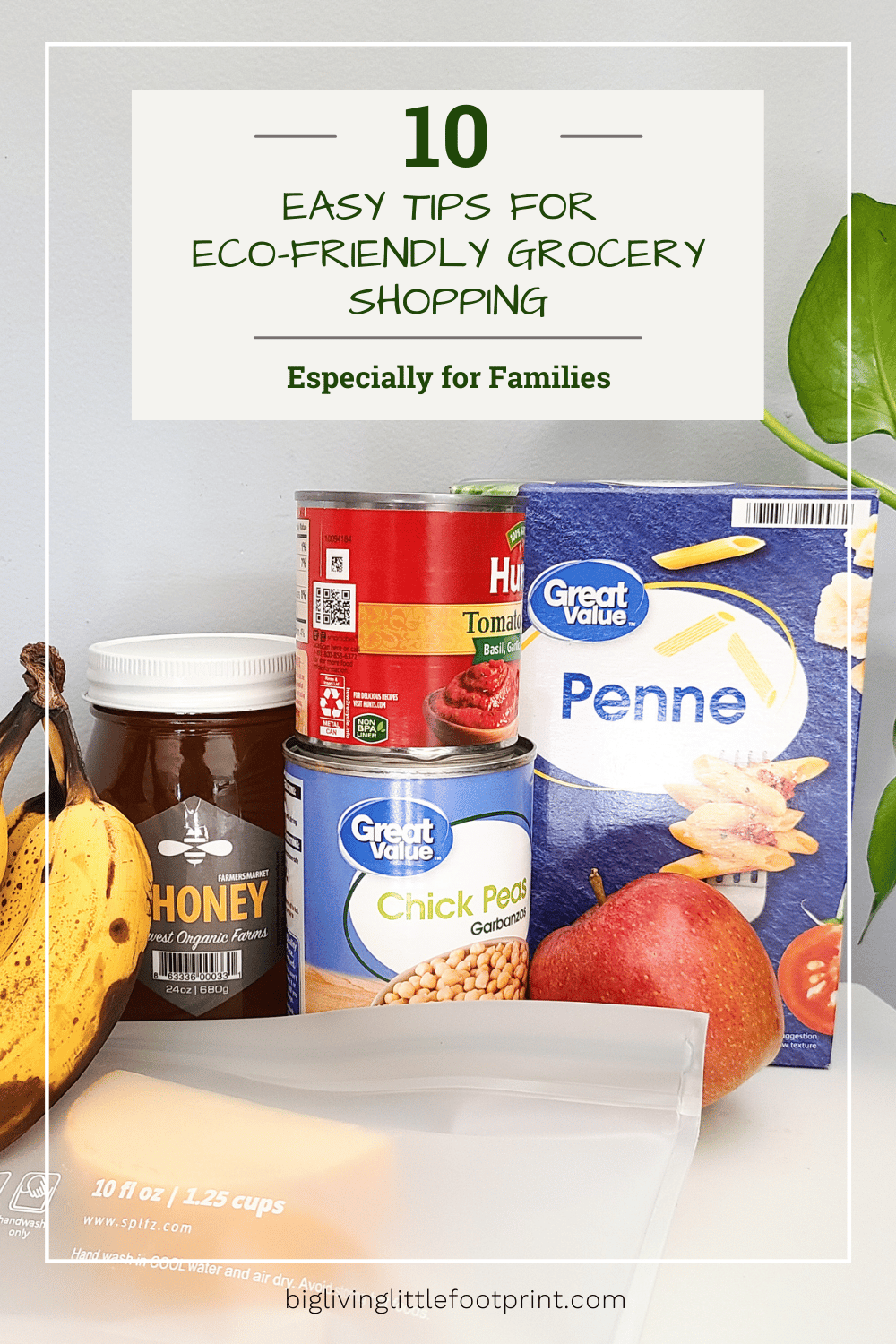
Packaging is a big part of store trash. Choose loose produce and bulk bins when you can. Skip single-serve packs for items you eat often.
Try these swaps:
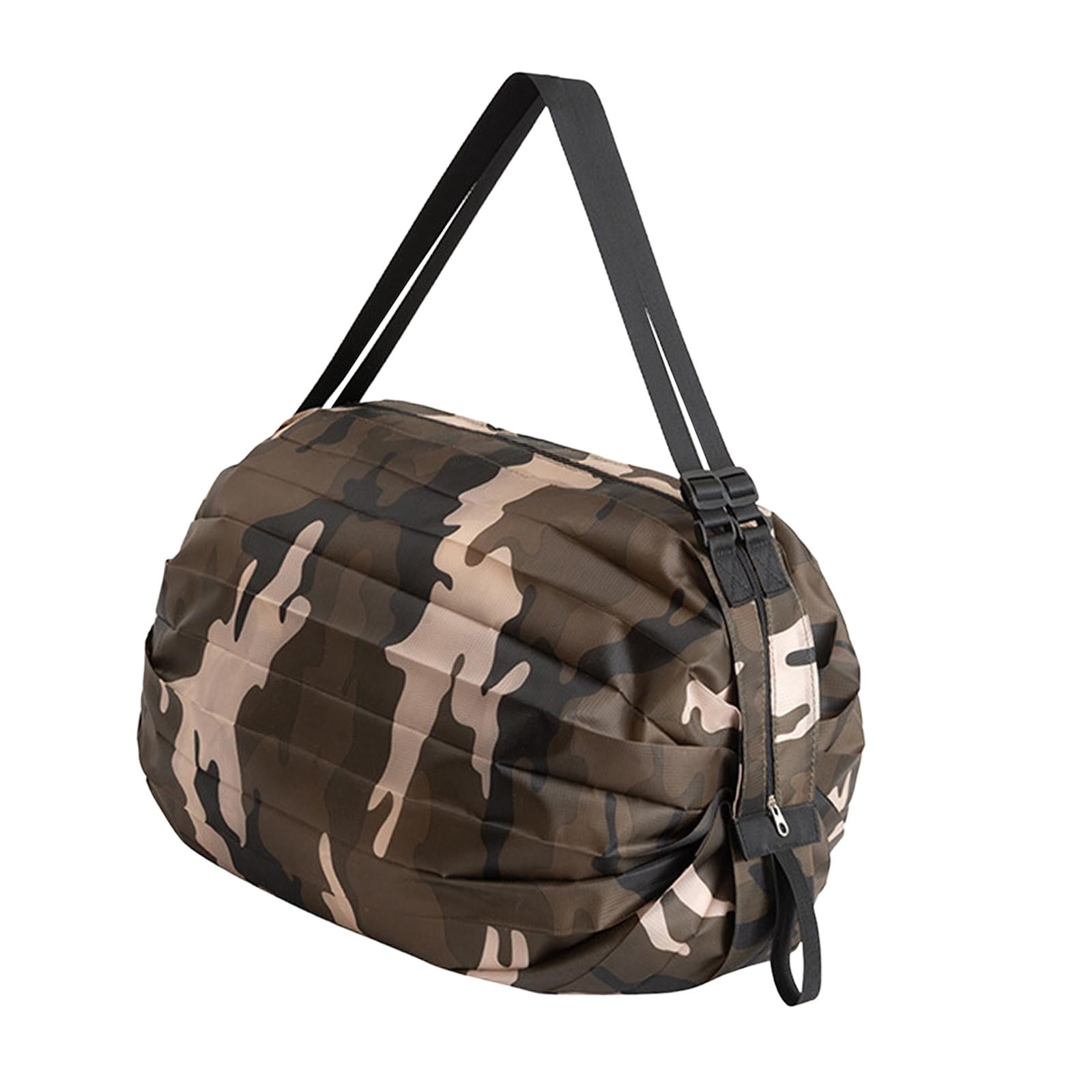
- Bring reusable totes, produce bags, and clean jars.
- Choose glass or metal over plastic when the price is close.
- Pick family-size packs for pantry staples and split them at home.
- Buy concentrates and refills for soap and cleaners.
I weighed my recycling for a month. Shifting to bulk oats, rice, and nuts cut my packaging by a third. These simple moves show how to make grocery shopping more eco friendly without feeling strict.
Are paper bags better than plastic?
Paper is easier to recycle and breaks down faster. But reuse matters more. A strong tote used many times beats both.

Shop the perimeter and bulk bins
The store perimeter holds fresh food. The middle aisles hold many processed items with extra packaging. Focus your time on produce, bulk bins, bakery, and dairy.
When you use bulk bins:
- Bring clean, labeled containers. Weigh them first if your store allows.
- Try a small amount before you commit to a lot.
- Store bulk foods in airtight jars at home.
Bulk shopping is a budget win too. It is one of the fastest answers to how to make grocery shopping more eco friendly and cheaper at once.
Reduce food waste with smart storage
Food waste hurts your wallet and the planet. In the US, millions of tons of food end up in landfills each year. When food rots, it makes methane, a strong greenhouse gas.
Use these steps:
- Set a use-first bin in your fridge. Put soon-to-spoil items there.
- Prep produce right away. Wash, chop, and store in clear containers.
- Freeze extras in flat bags for easy stacking.
- Learn the difference between best-by and use-by dates. Trust your senses.
I started a Friday fridge clean-out. It led to soup nights and less waste. This habit is a key part of how to make grocery shopping more eco friendly in daily life.
Better meat, seafood, and dairy choices
You do not need to go vegan to make an impact. Smaller portions of animal foods still taste great. Add more plants to the plate and use meat as a flavor boost.
Try this:
- Choose poultry or eggs more often than red meat.
- For beef, pick grass-fed from local farms when you can.
- For seafood, use guides that flag species with lower impact.
- Buy yogurt and cheese in larger tubs and portion at home.
This balanced path keeps meals joyful. It is practical and aligned with how to make grocery shopping more eco friendly without a full diet shift.
Tech, labels, and tools that help
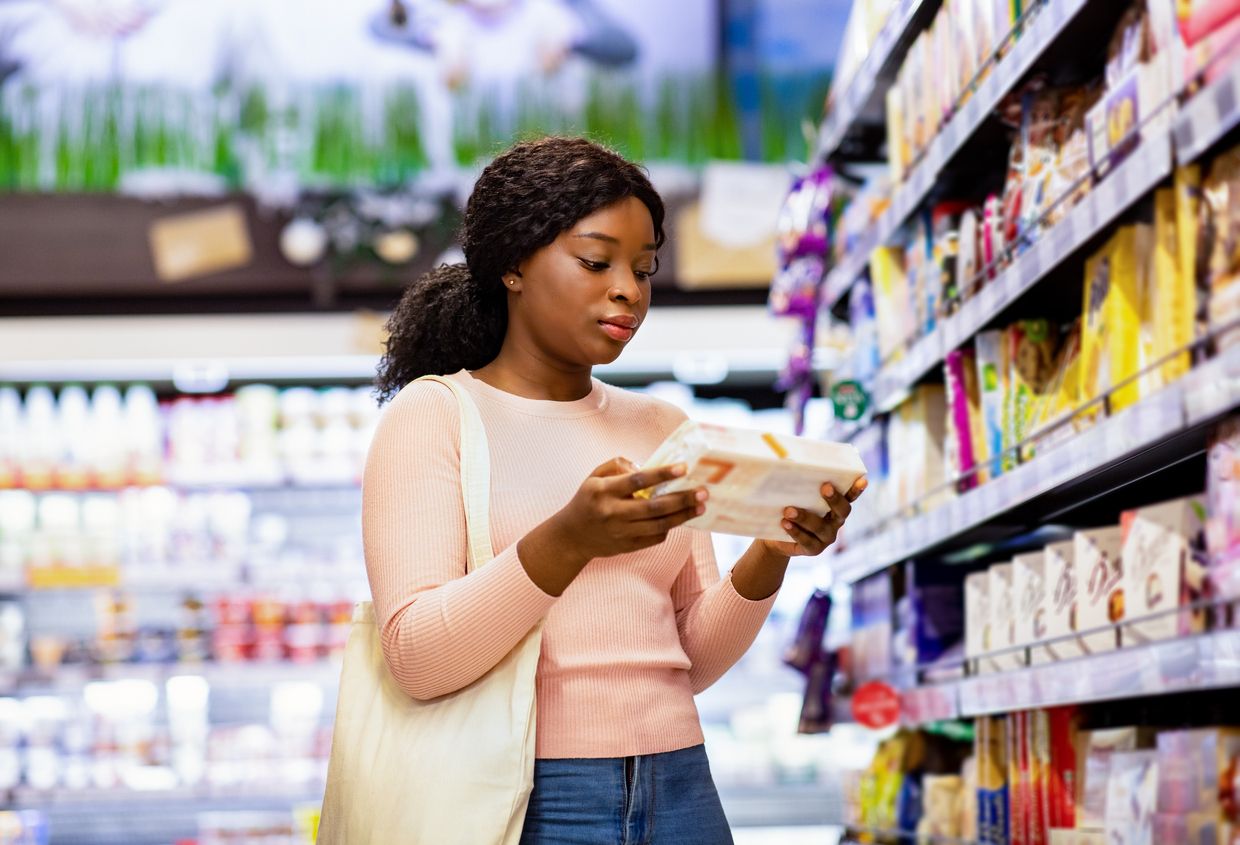
Smart tools make choices clear. Carbon labels, QR codes, and store apps can show origin, season, and farming methods.
Use these tools:
- Store apps for digital lists and coupons. Less paper, fewer impulse buys.
- Meal-planning apps that flag leftovers you can use.
- Barcode scanners that show packaging and recycling info.
I scan items I buy often and note better options. Tech does not replace common sense, but it speeds up how to make grocery shopping more eco friendly on busy days.
Budget-friendly ways to go green
Greener shopping does not have to cost more. Many eco steps save money.
Start here:
- Plan simple meals. Fewer items, more overlap.
- Buy staples in bulk. Cook once, eat twice.
- Pick store brands in glass or paper.
- Choose seasonal produce and frozen veggies.
I track cost per meal, not per item. It keeps me focused. Over a year, these habits saved me hundreds and lowered waste.
What to do after checkout
Your impact does not end at the register. How you store, cook, and toss food matters.
Do this at home:
- Put foods away by date. First in, first out.
- Batch-cook and freeze portions.
- Compost peels and grounds if you can.
- Reuse jars for bulk buys and sauces.
Recycling helps, but reducing and reusing help more. This end-to-end mindset is the heart of how to make grocery shopping more eco friendly, week after week.
Common mistakes to avoid
Even smart shoppers slip. Watch for these traps.
- Shopping while hungry. You buy more and waste more.
- Ignoring your pantry. You double up and forget old items.
- Chasing every label. Focus on the big wins first: waste, transport, and meat.
- Buying in bulk without a plan. Big packs spoil fast if you cannot use them.
Catching these saves time and stress. It keeps your plan simple and strong.
Frequently Asked Questions of How To Make Grocery Shopping More Eco Friendly
What is the single best first step?
Start with a meal plan and a short list. It cuts waste and impulse buys right away.
Are farmers markets always greener?
Often, but not always. Local produce in season can be lower impact, but transport and farming methods still matter.
Do reusable bags really make a difference?
Yes, if you use them many times. A sturdy tote used weekly for a year beats single-use bags by a lot.
Is frozen produce eco friendly?
Yes. Frozen veggies cut waste, last longer, and are often picked at peak ripeness. They can be cheaper too.
How can I reduce plastic without raising my bill?
Buy in bulk, choose larger sizes, and switch to loose produce. Reuse containers and focus on staples you eat often.
Does buying organic always lower emissions?
Not always. Organic has benefits for soil and chemicals, but emissions depend on yields and transport. Balance factors like season, distance, and waste.
Is plant-based milk better for the planet?
Usually. Oat and soy milks tend to use less water and land than dairy, though taste and nutrition vary by brand.
Conclusion
Small, steady steps beat big, rare ones. Plan your meals, bring your bags, choose seasonal food, and use what you buy. That is how to make grocery shopping more eco friendly without blowing your budget or your time.
Pick one change this week. Maybe it is a use-first bin, or a bulk-bin rice swap, or a bike ride to the store. Then add the next. Your cart can be a climate tool, one checkout at a time.
If this guide helped, share it with a friend, subscribe for more simple green tips, or leave a question so I can help you keep going.