Use proper lifting, split loads, and the right gear to make carrying heavy groceries easier and safer.
I have decades of hands-on experience helping busy people learn how to carry heavy groceries more comfortably. In this guide I cover practical body mechanics, packing and planning tips, the best gear, and realistic habits that reduce strain and time. You will find clear steps, real-life examples from my own runs to the car, and expert-backed reasoning so you can carry heavy groceries more comfortably today.
Why carrying heavy groceries matters and the basics to know
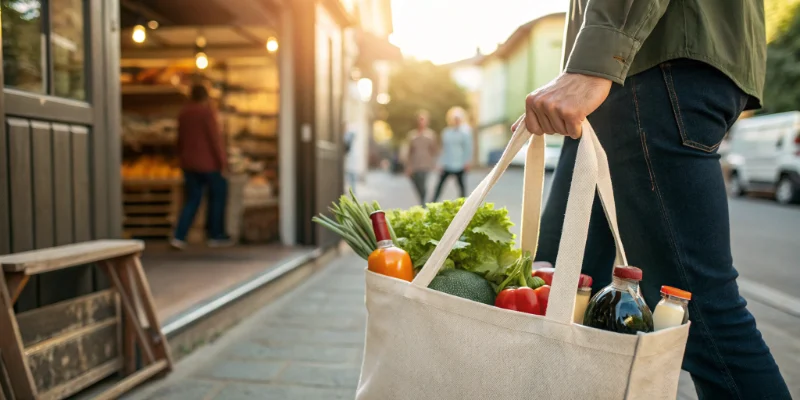
Carrying heavy groceries well reduces pain and lowers injury risk. It also saves time and keeps your food intact. Knowing simple body mechanics and planning basics makes a big difference when you need to carry many bags or bulky items.
Key ideas to remember
- Distribute weight evenly so one side of your body does not overload.
- Use your legs and hips rather than your lower back when lifting.
- Plan the trip, route, and timing to avoid crowded stairs or long walks.
I learned these basics after hurting my lower back once from a rushed grocery trip. Simple changes fixed it fast and kept it from coming back.
Practical techniques: how to carry heavy groceries more comfortably
Follow these step-by-step techniques each time you shop. They are simple and work in real life.
Before you lift
- Line up bags at a good height to avoid bending too far.
- Wear supportive shoes to steady your footing.
- Open doors and clear obstacles on your path.
Step-by-step lift and carry
- Stand close to the bag. Feet hip-width apart.
- Bend your knees. Keep your back straight.
- Grip the bag securely with both hands.
- Push up with your legs and stand tall.
- Hold the weight close to your body at belly level.
- Turn your whole body with your feet when changing direction.
Smart ways to hold bags
- Alternate hands every few steps to rebalance fatigue.
- Use a backpack for even load distribution on both shoulders.
- For heavy, single items like a case of water, use a shoulder strap or carry across your chest.
Quick common questions and short answers
- Q: Can I carry all bags at once? A: It depends on weight and distance. Carry what you can hold with good form.
- Q: Is it okay to swing a bag to your arm? A: Avoid swinging; it shifts load and can strain joints.
I used these steps during weekly shopping. They cut the soreness I used to feel after hauling groceries up stairs.
Best gear and accessories to make carrying heavy groceries easier
The right gear reduces strain and speeds the trip. Invest in a few items that fit your routine.
Highly recommended items
- Reusable bags with wide, padded handles that sit comfortably in the hand.
- A sturdy backpack with chest and waist straps for heavy loads.
- Insulated grocery tote for perishables that connects to a cart.
- Wheeled grocery cart or foldable trolley for long walks or many bags.
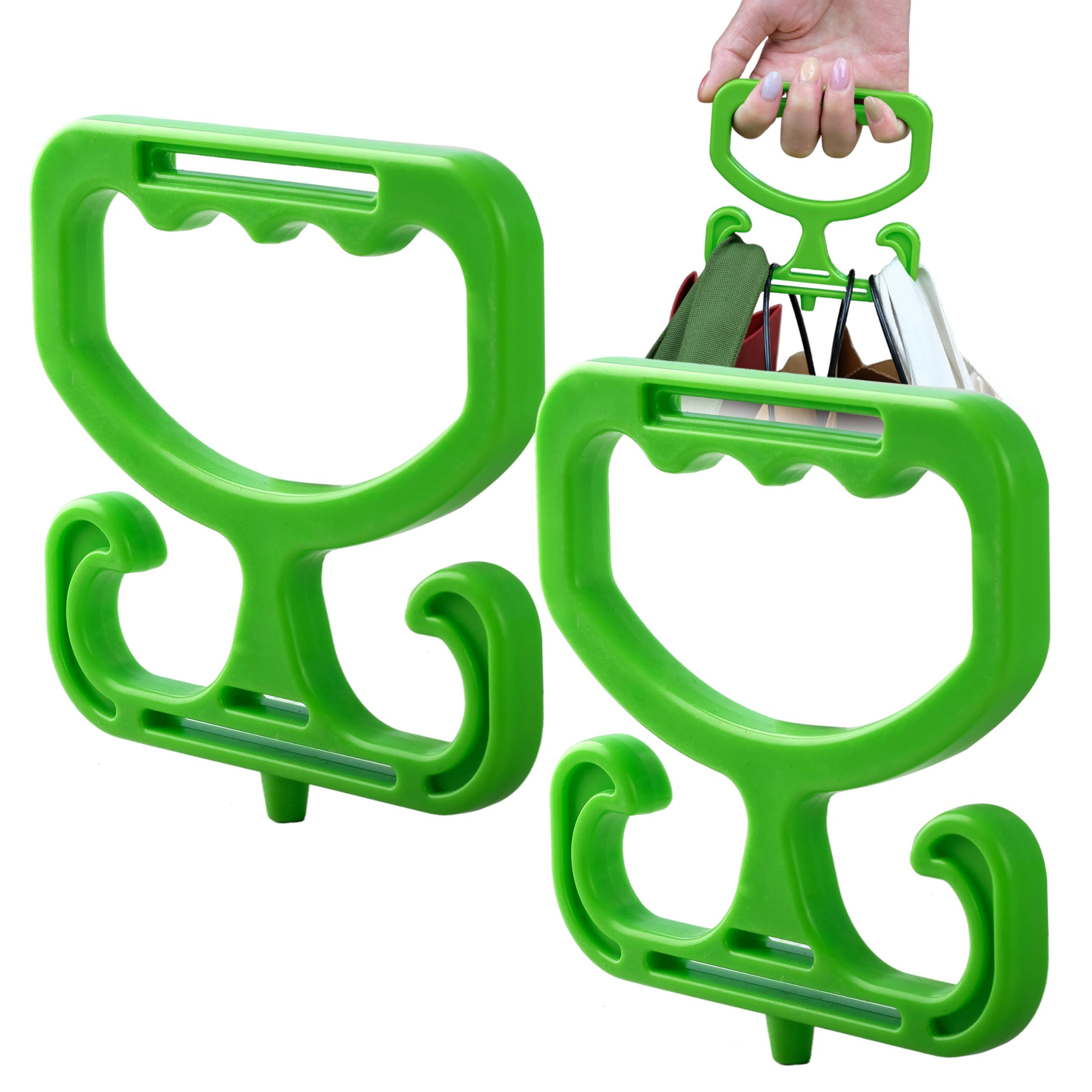
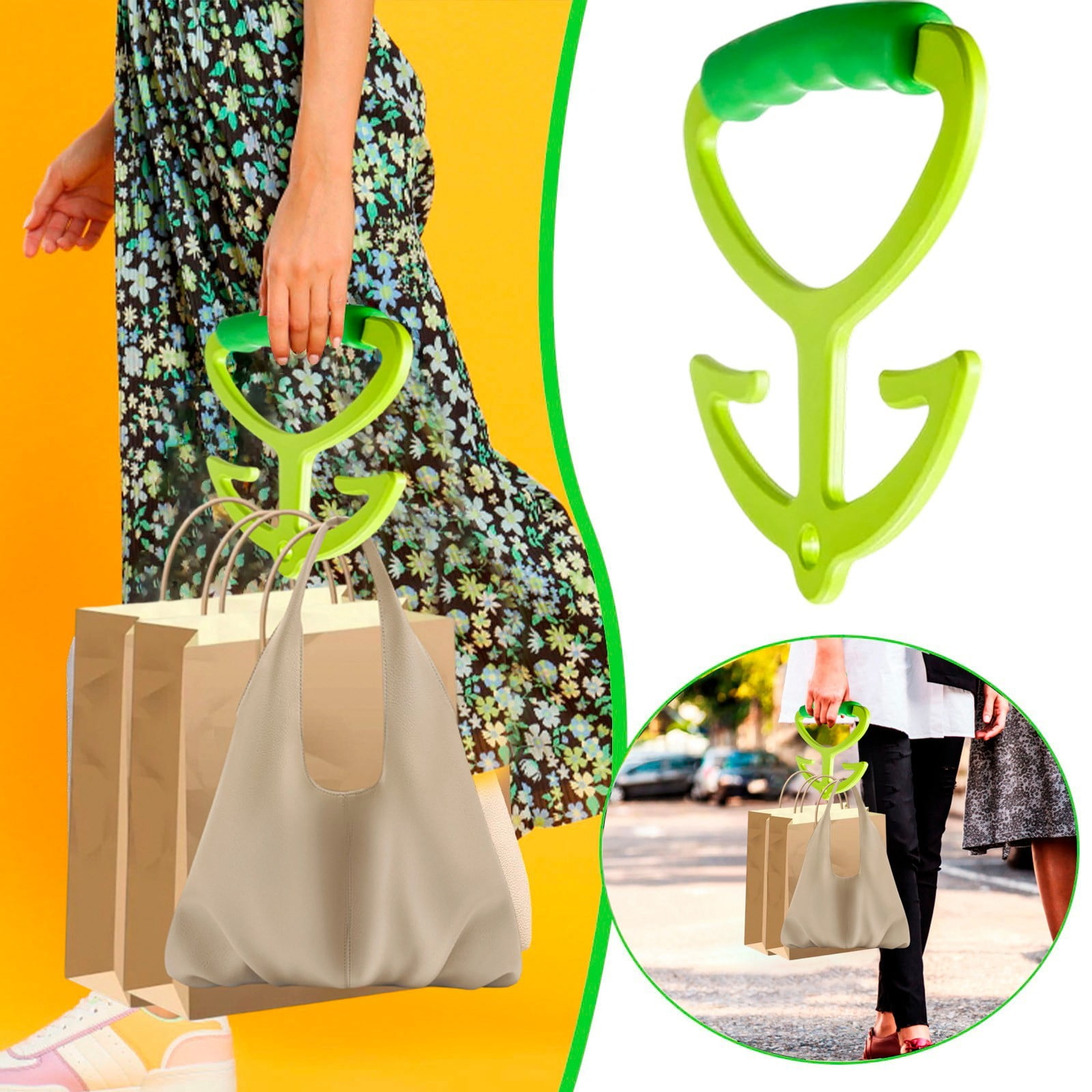
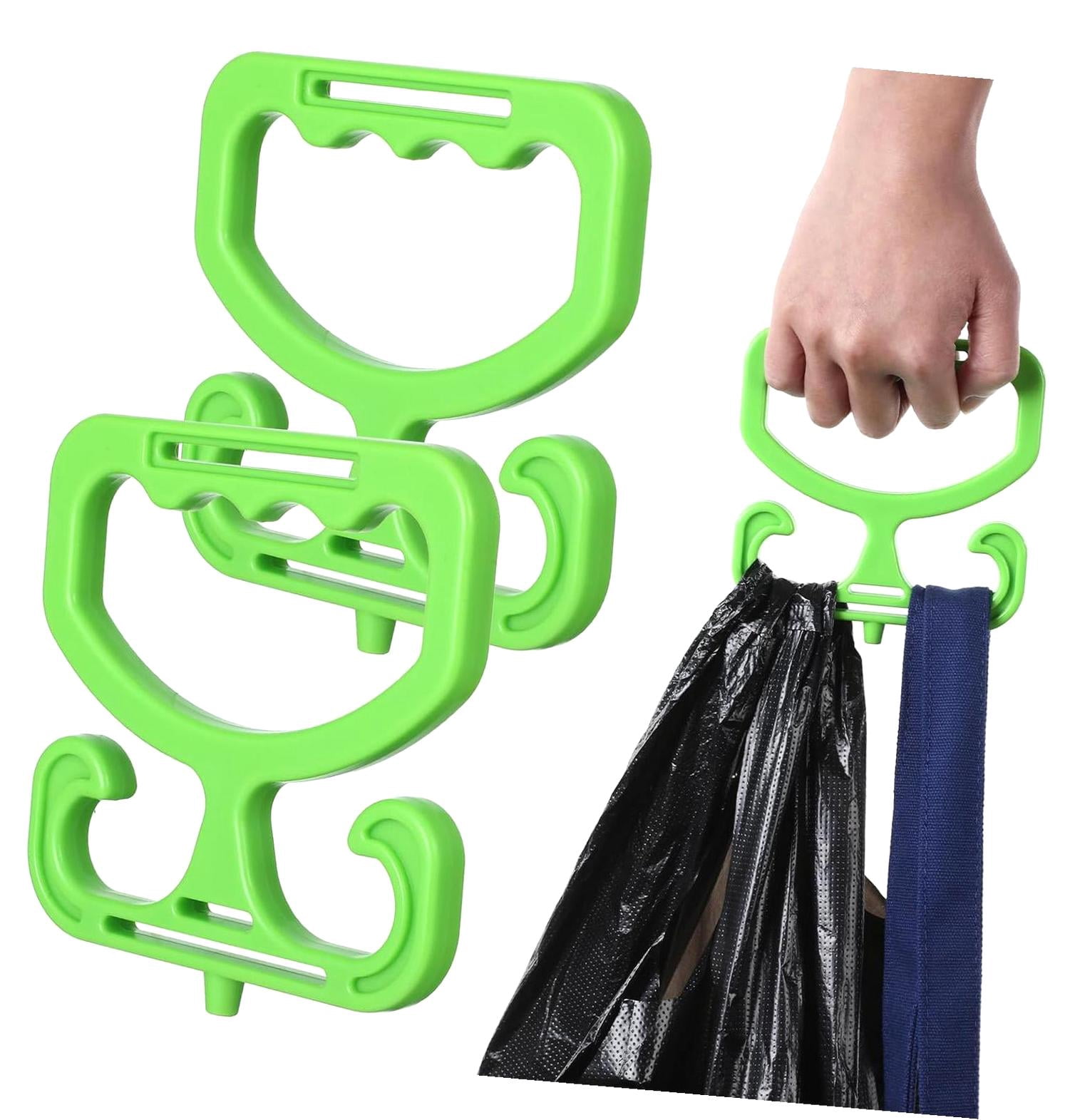
- Lifting straps or carriage handles that let you group multiple bags.
Tips for choosing gear
- Pick gear rated for the weight you normally carry.
- Test straps and handles for comfort before buying.
- Choose weatherproof materials for durability.
I rely on a small wheeled cart for market trips. It cut my trips up steps from painful to easy.

Packing, planning, and load distribution
Smart packing starts in the store or at the checkout. Plan so heavy items sit low and close.
Packing tips
- Place heavy items like milk and canned goods at the bottom of a bag.
- Put fragile items on top and separate them in their own bag.
- Use multiple medium-weight bags rather than one very heavy bag.
- Group similar items for easier unpacking and balancing.
Trip planning
- Park close to the entrance when possible.
- Time shopping for cooler parts of the day to reduce fatigue.
- Ask for assistance for bulky or very heavy items.
When I pack for a week, I sort cold and heavy items into separate bags. That habit prevents spills and awkward weight shifts.
Safety, body mechanics, and injury prevention
Protect your body with proven lifting habits. Small changes prevent common problems.
Safe lifting checklist
- Warm up with a brief walk or shoulder rolls before heavy lifting.
- Keep the load close to your center of gravity.
- Avoid twisting your spine while holding weight; pivot with your feet.
- Pause if you feel sharp pain and lower the bag immediately.
Limitations and when to get help
- If an item is too heavy for safe lifting alone, ask for help.
- Use delivery services for very heavy or frequent large orders.
- See a medical professional for persistent pain after grocery trips.
Research and ergonomics show that lifting with legs and keeping loads near the torso reduces lower back stress. I follow this routine to avoid flare-ups after long shopping days.

Real-life examples, mistakes to avoid, and tips that work
Learning from mistakes helped me refine what truly works. Below are common errors and better habits.
Common mistakes
- Using small, fragile bags that bite into hands.
- Carrying all items in one hand for long distances.
- Twisting at the waist while holding heavy bags.
- Rushing up stairs without pausing.
Better habits that helped me
- Bringing a collapsible cart for farmers market trips.
- Switching bags between hands every 50 to 70 steps.
- Placing heavy items in a backpack when walking more than a block.
These changes made grocery day less draining and more reliable.

How to handle specific scenarios
Different situations call for small adjustments. Here are solutions for common cases.
Stairs and steps
- Make two trips if needed. Keep trips safe rather than fast.
- Use a backpack or trolley to free your hands on railings.
Public transit or long walks
- Use a rolling cart or secure bags into a backpack.
- Shorten the walk by choosing a closer store or curbside pickup.
Car loading and unloading
- Park with the trunk close to the curb when possible.
- Load heavy items first and keep them low in the trunk.
I once had to carry groceries up three flights. A quick break and shifting to a backpack saved my back.

Frequently Asked Questions of How To Carry Heavy Groceries More Comfortably
What is the safest way to lift heavy grocery bags?
Bend your knees, keep your back straight, and lift with your legs. Hold the bag close to your body and avoid twisting.
How many bags should I carry at once?
Carry a number you can manage without changing your form, usually two medium bags or one backpack. Make extra trips if form starts to break down.
Are reusable bags better for heavy groceries?
Yes. Reusable bags often have stronger materials and wider handles, which reduce pressure on hands. Choose bags rated for heavier weights.
Is a wheeled cart worth it for short trips?
Yes, if you often carry several bags or walk a long distance. A cart reduces strain and prevents sore shoulders.
How can I prevent shoulder and wrist pain while carrying groceries?
Use padded handles, alternate hands, and switch to a backpack for heavier loads. Keep the load balanced and take short breaks.
When should I ask for help or use delivery?
Ask for help if the item feels too heavy or if you must climb stairs. Use delivery for large, frequent, or very heavy orders.
Conclusion
Carrying heavy groceries more comfortably is about planning, good technique, and the right gear. Use leg-driven lifting, keep loads close, split weight across bags or a backpack, and invest in a cart or sturdy bags when needed. Start with one habit change this week—pack heavy items low or buy a small wheeled cart—and notice how much easier trips become. Try these tips on your next shopping run, share what works for you, and consider subscribing or leaving a comment to tell me about your experience.