Use cold cubes, pulse in small batches with a splash of liquid.
Ice can be tough on motors, blades, and jars. I’ve tested countless setups at home and in busy smoothie bars. Here, I’ll show you How To Crush Ice In A Blender Without Damaging It with clear steps, pro tips, and smart gear checks. If you want frosty drinks and a long‑lasting blender, read on.
Why Ice Can Damage Your Blender
Crushing ice seems simple, but it creates sharp impacts and heavy loads. Those loads can stall weak motors, chip blades, and crack jars. Heat builds fast, too, which can soften plastic parts and strain bearings.
Ice is also slippery. Blades can spin and make a vortex of air. That is called cavitation. It sounds loud and does not crush well. The fix is simple: better prep, small batches, and short pulses. That is the core of How To Crush Ice In A Blender Without Damaging It.
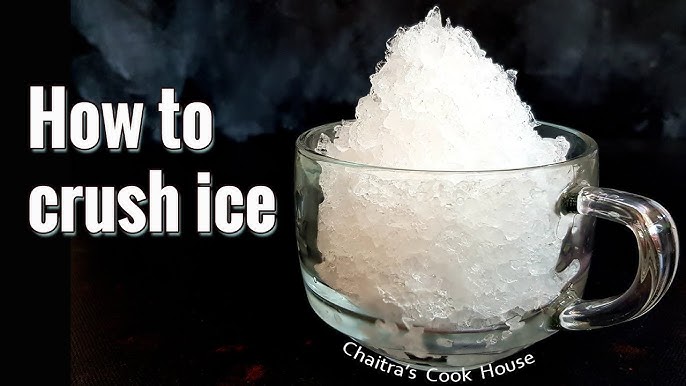
Gear Check: Is Your Blender Up To The Task?
Before you start, match your gear to the job. This is key to How To Crush Ice In A Blender Without Damaging It.
- Power. For regular ice crushing, 800–1,000 watts or more is ideal. Many 600–700 watt models can do it with small batches and pulses.
- Presets. An Ice Crush or Pulse setting helps. It ramps power in bursts to avoid stalls.
- Jar material. Tritan plastic jars handle shocks well. Thick glass jars are fine, but avoid rapid hot‑cold swings.
- Blade design. Staggered, blunt‑style blades crush better than thin razor blades. Loose blades dull fast on ice.
- Capacity. A wide, short jar moves ice more. Narrow tall jars can jam.
Check your manual. Many brands state if the blender is rated for ice. This step alone prevents 80% of fails in How To Crush Ice In A Blender Without Damaging It.

Prep The Ice For Safe Crushing
Good prep makes a weak blender feel stronger. It is a secret weapon in How To Crush Ice In A Blender Without Damaging It.
- Temper the cubes. Let ice sit 3–5 minutes. Slightly wet ice shatters cleaner and reduces stress.
- Use the right ice. Standard cubes or crescent ice work well. Nugget ice is easiest. Avoid giant blocks unless you crack them first.
- Add a splash of liquid. Use 2 cups ice with 1/4 to 1/2 cup cold water or juice. The liquid cuts cavitation and keeps blades cool.
- Do small batches. Fill the jar to no more than the halfway mark with ice. More than that strains the motor.
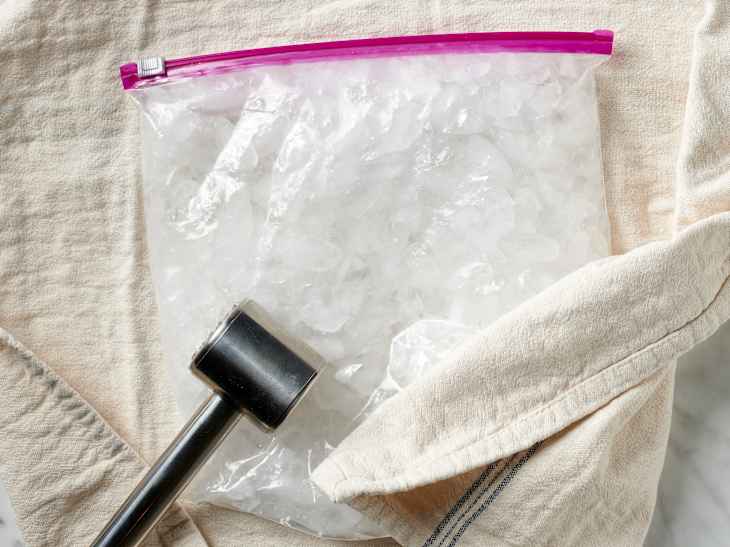
If cubes stick, wrap them in a clean towel and tap with a spoon to break them down.
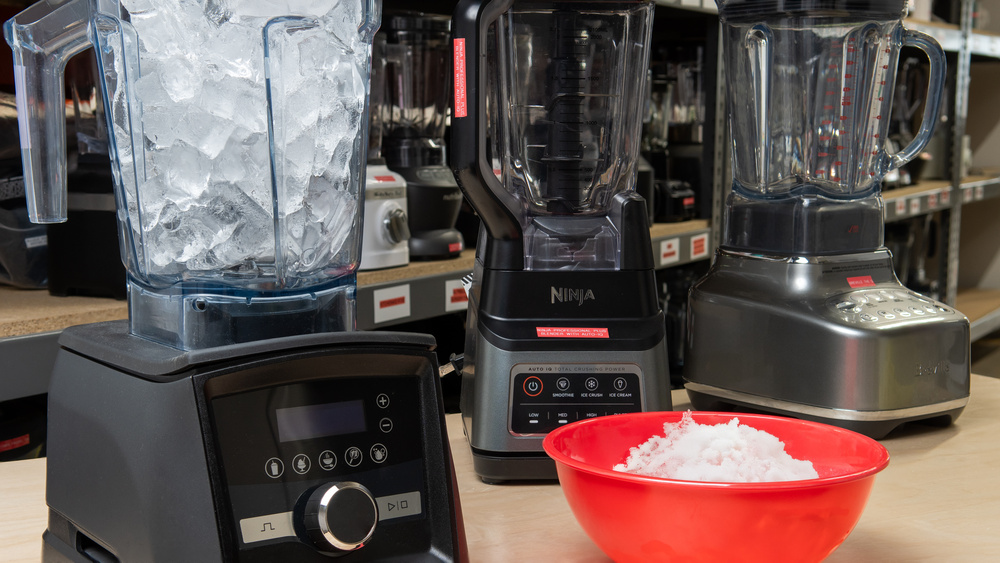
Step‑By‑Step: How To Crush Ice In A Blender Without Damaging It
Follow this exact method. It protects your blender and gives even texture.
- Chill the jar and liquid. Cold gear reduces thermal shock and heat.
- Add liquid first. Pour 1/4 to 1/2 cup cold water per 2 cups ice into the jar.
- Add ice to halfway full. Do not pack it down.
- Secure the lid well. Never crush ice with a loose lid.
- Start with 5–8 short pulses. Each pulse should be about 1 second. Shake the jar gently between pulses if safe to do so.
- Check flow. If blades spin but ice bridges, stop. Stir with a long spoon only when the blades stop. Or use a proper tamper through the lid while running on low.
- Move to low or medium speed. Run for 5–10 seconds. Do not hold high speed yet.
- Rest for 10–15 seconds. This cools the motor and clears bubbles.
- Finish on medium to high for 3–5 seconds. Stop as soon as you reach your texture.
- Serve at once. Do not keep blending for “extra smooth.” Overblending warms the ice and stresses parts.
For snow‑like ice, use more pulses and shorter blends. Keep batches small. That is the safest way for How To Crush Ice In A Blender Without Damaging It.
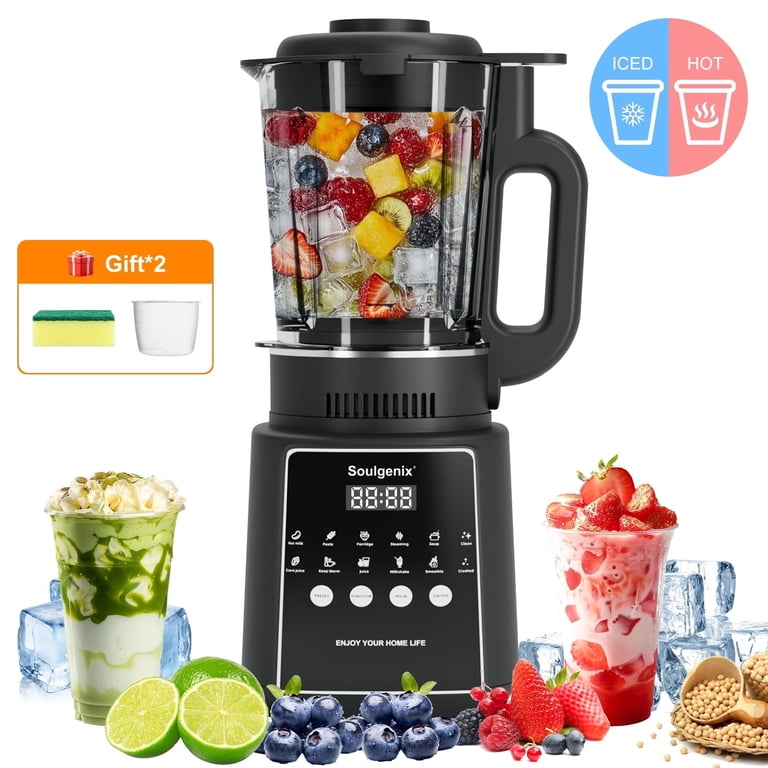
Pro Tips, Mistakes To Avoid, And Noise Control
Small tweaks make a big difference. These tips come from years of daily use.
- Do not blend dry ice cubes. Always add a splash of liquid.
- Avoid long, steady runs. Use pulses and short bursts with rests.
- Never jam utensils into the jar. Use only a designed tamper through the lid.
- Watch the smell and sound. A hot motor smells sharp. A high screech means cavitation. Stop and reset.
- Cut noise and impact. Place the blender on a thin rubber mat. Drape a folded towel over the lid, away from vents.
- Mind thermal shock. Do not go from boiling liquids to ice in a glass jar.
Follow these and you master How To Crush Ice In A Blender Without Damaging It.
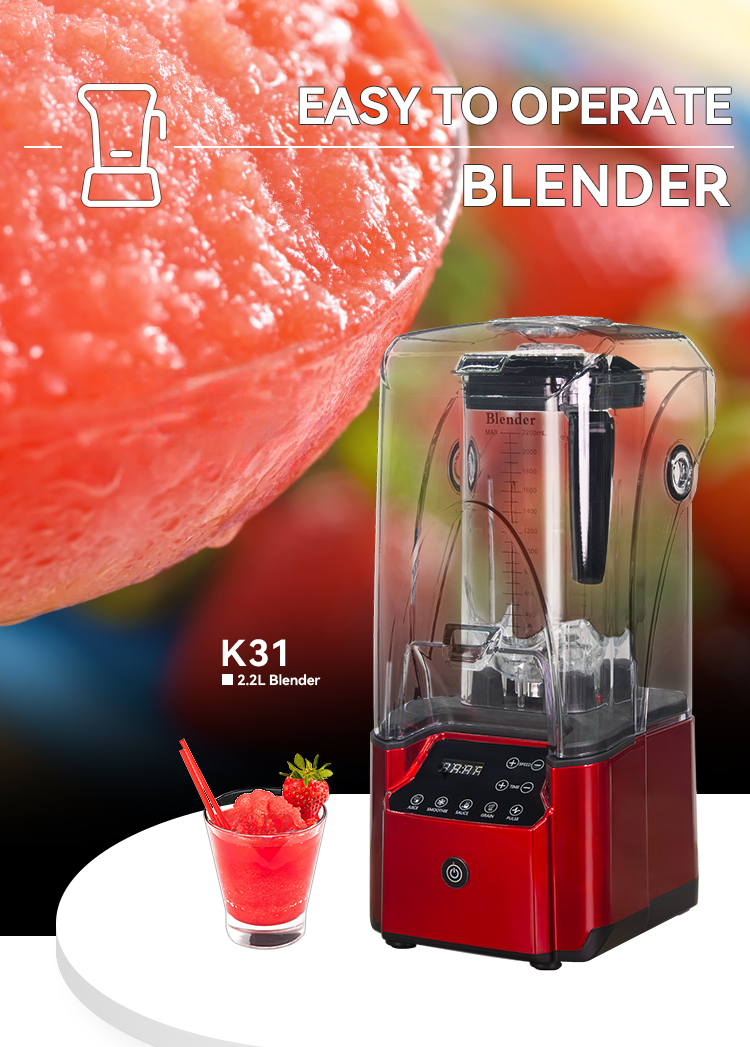
Cleaning And Maintenance After Crushing Ice
Good care keeps your blender strong for years. It also supports How To Crush Ice In A Blender Without Damaging It.
- Rinse right away. Fill the jar halfway with warm water and a drop of soap. Pulse 3–4 times, then rinse well.
- Check seals. Look for leaks at the base and lid gasket. Replace worn parts fast.
- Do not sharpen most blender blades. They are often blunt by design. If dull or bent, replace the blade assembly.
- Let parts dry fully. Water trapped under the base can harm the motor.
A clean, dry blender runs cooler and lasts longer.

If Your Blender Struggles: Safe Alternatives
Not every blender is built for ice. If you still want perfect crushed ice, try these.
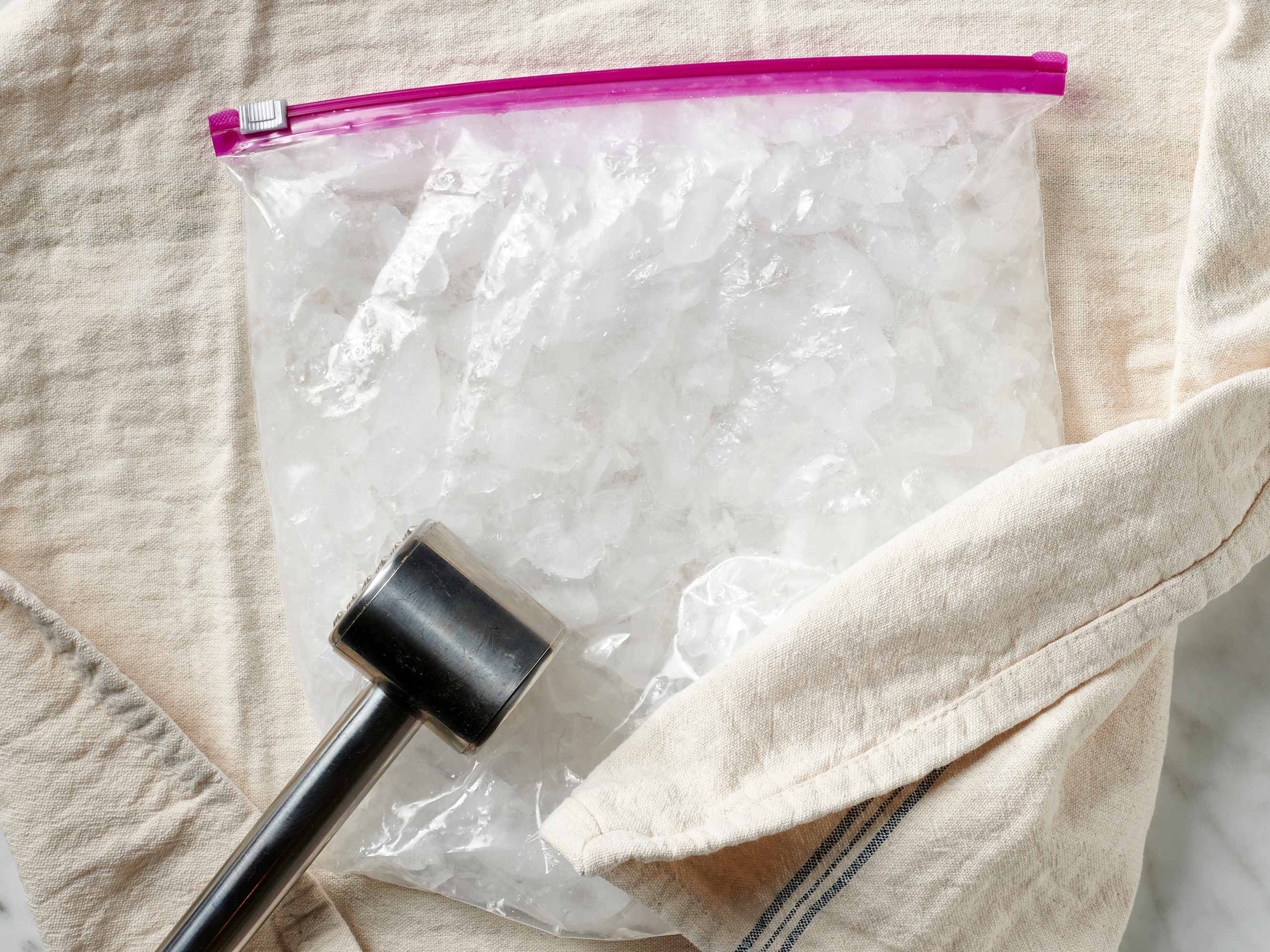
- Lewis bag and mallet. Fill the canvas bag with cubes. Fold and tap until you get the size you want.
- Hand‑crank ice crusher. It makes even chips with little risk to motors.
- Ice from the source. Nugget ice machines or freezer “crush” settings give a blender‑ready start.
- Food processor only if rated. Many are not. Check the manual first.
These options pair well with How To Crush Ice In A Blender Without Damaging It when your gear is light duty.
Frequently Asked Questions of How To Crush Ice In A Blender Without Damaging It
Will ice dull my blender blades?
Yes, over time. Blades crush by impact more than by sharp edges, so slight dulling is normal. If you see chips or bending, replace the assembly.
Can I crush ice without any liquid?
You can, but it is harder on the motor and can cavitate. A small splash of liquid protects the motor and gives a better crush.
How many watts do I need to crush ice?
A strong 800–1,000 watt motor handles ice well. Lower watt models can work with very small batches and short pulses.
Is a glass jar safe for ice?
Yes, if the glass is thick and the blender is rated for ice. Avoid sudden heat changes, like blending hot soup and then ice right away.
Why does my blender scream and not crush?
That shriek is likely cavitation. Add a splash of liquid, reduce the ice load, and use short pulses to re‑engage the blades.
Can I use a personal blender for ice?
Some can, but only in small amounts and with liquid. Check the manual and pulse in 1–2 second bursts.
How do I get snow‑like ice?
Use small batches, more pulses, and very short final blends. Start with slightly tempered cubes or nugget ice for best results.
Conclusion
You now know How To Crush Ice In A Blender Without Damaging It: prep the ice, add a little liquid, pulse in small batches, and stop early. Choose the right gear, avoid long blends, and care for your jar and seals. These simple habits protect your motor and deliver perfect, frosty ice every time.
Put this guide to work on your next smoothie or mocktail. Test the steps, dial in your texture, and enjoy stress‑free blending. If this helped, subscribe for more smart kitchen guides or share your own tips in the comments.