Lower the heat, use heat protectant, dry in sections, and seal with oil.
You want glossy, soft hair after the dryer, not straw. I’ve spent years helping clients fix frizz and breakage from rushed blowouts. This guide on How To Stop Hair From Getting Dry After Blow Drying gives you a step-by-step play you can trust. I’ll mix pro tips, science, and real-life fixes so you can dry fast, protect the cuticle, and keep shine.
Why hair gets dry after blow drying
Heat lifts the cuticle and pushes out water too fast. This leaves gaps in the hair’s outer layer. Those gaps make hair feel rough and dry. Mechanical stress from brushes and towels adds more damage.
Dryers also speed “flash drying,” where surface water vanishes before inner water moves out. That leaves the cortex brittle. Low humidity, hard water, color treatments, and high porosity raise risk. Understanding this helps you plan How To Stop Hair From Getting Dry After Blow Drying the smart way.

Prep matters: wash, condition, and prime
Good prep gives you a head start. Start with lukewarm water. Hot water strips natural oils and raises the cuticle.
Use a gentle, pH-balanced shampoo. Follow with a rich conditioner that has fatty alcohols and amino acids. Squeeze water out with a microfiber towel. Do not rub.
Prime with a leave-in that has a heat protectant. Look for silicones or heat-activated polymers. Add a pea-size bond builder if hair is bleached. This step is key for How To Stop Hair From Getting Dry After Blow Drying.

Tools and heat settings that protect
The right dryer saves your hair. Ionic, ceramic, or tourmaline tech helps reduce frizz by smoothing the cuticle. Use a concentrator nozzle to control airflow. A diffuser is great for curls and coils.
Pick the lowest heat and speed that still dries well. Keep the dryer 6 to 8 inches from hair. Always finish with a cool shot to set the style. Simple gear choices go far for How To Stop Hair From Getting Dry After Blow Drying.

The right blow-dry technique
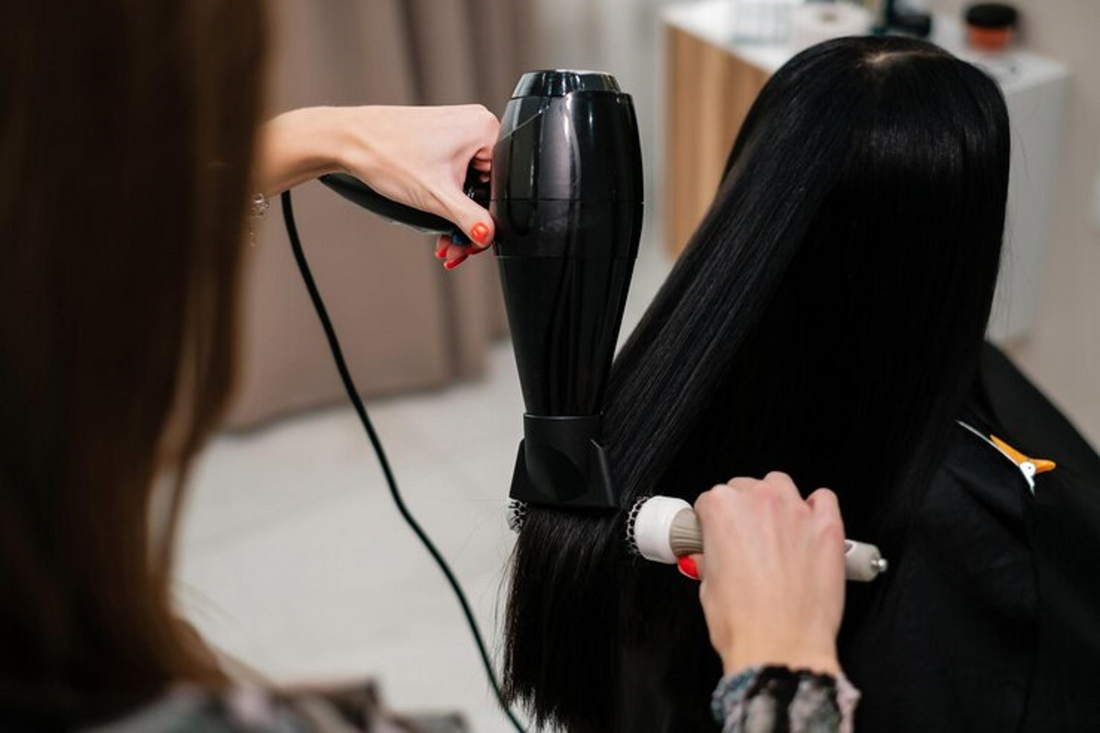
Work in small sections. Clip hair up and start at the bottom. Aim airflow down the shaft to keep the cuticle flat.
Keep the dryer moving. Stop at about 85 to 90 percent dry, then use the cool shot. For curls, use a diffuser on low heat and low speed. Dry to about 80 percent, then air-dry. This method locks in moisture and is central to How To Stop Hair From Getting Dry After Blow Drying.

Post-blow-dry sealing and care
Lock in the moisture you kept. Use a light serum or a few drops of oil on ends. Focus on mid-lengths to tips to avoid a greasy scalp.
Pick the right finisher. Fine hair does well with a featherweight silicone or squalane. Coarse or curly hair loves shea blends or creamy butters. This final seal helps with How To Stop Hair From Getting Dry After Blow Drying every time.
Routines by hair type and texture
Different hair needs different care. Fine hair gets weighed down fast. Coarse hair needs more slip and seal. Here’s how to adjust.
- Fine, straight hair: Use a lightweight leave-in and a low heat setting. Angle airflow down with a paddle brush. Finish with one drop of serum.
- Wavy hair: Use a diffuser on low. Scrunch with a curl cream that has heat protection. Seal with a light gel or serum.
- Curly hair: Try the tension method with a diffuser. Add a rich leave-in and a few drops of oil. Stop at 80 percent dry.
- Coily hair: Pre-poo with a light oil. Use a cream leave-in and a diffuser or stretch with low heat. Seal with a butter.
- Color-treated or bleached hair: Use bond builders and protein-light masks weekly. Keep heat low and finish cool. This care is vital for How To Stop Hair From Getting Dry After Blow Drying with fragile hair.

Source: youtube.com
Smart ingredients and product picks
Labels can be a maze. Look for ingredients that guard the cuticle and add slip. Skip harsh alcohols when you can.
- Heat-protecting polymers: Dimethicone, amodimethicone, polyquaterniums form a thin shield.
- Moisturizers: Glycerin, aloe, panthenol pull in water. Use with care in very dry air.
- Strengtheners: Proteins, amino acids, and bond builders fill weak spots.
- Lipids: Ceramides, argan, jojoba, coconut, and squalane help seal the cuticle.
- Clarifying aids: Use a gentle clarifier monthly if you use silicones. Add a chelating wash if you have hard water.
These picks add control and shine, and they support How To Stop Hair From Getting Dry After Blow Drying in all seasons.
Common mistakes to avoid
Small habits cause big damage. Fix these, and your results jump fast.
- Skipping heat protectant before every blowout.
- Drying from soaking wet instead of towel-damp.
- Blasting max heat and speed the whole time.
- Holding the dryer too close to the hair.
- Rough towel-drying and snapping the cuticle.
- Skipping the nozzle or diffuser.
- Using alcohol-heavy sprays on dry, fragile ends.
- Ignoring hard water buildup.
Avoid these traps to master How To Stop Hair From Getting Dry After Blow Drying.
A simple routine you can follow
Here is a clean, quick plan you can use today. It takes the guesswork out and keeps hair soft.
- Wash with a gentle shampoo. Condition well and detangle.
- Blot with a microfiber towel until damp, not dripping.
- Apply a leave-in with heat protectant. Add a drop of oil to ends.
- Part hair into four to six sections. Clip the rest up.
- Use a nozzle. Aim airflow down the shaft.
- Dry each section on low to medium heat and speed.
- Stop at about 85 to 90 percent dry. Use cool shot to set.
- Smooth a light serum on mid-lengths and ends.
- If needed, touch up with a brush and cool air.
- Sleep on a silk pillowcase to reduce friction.
Follow this plan, and you’ll nail How To Stop Hair From Getting Dry After Blow Drying without fuss.
Troubleshooting: when hair is already dry
When hair feels rough, go gentle. Try a pre-shampoo oil soak once a week. Use a rich mask after shampoo.
If your water is hard, use a chelating shampoo once a month. Trim frayed ends. Reduce heat for two to three weeks. These steps support How To Stop Hair From Getting Dry After Blow Drying, even after setbacks.
Frequently Asked Questions of How To Stop Hair From Getting Dry After Blow Drying
Is cool air better for my hair than hot air?
Cool air is kinder to the cuticle. Use low heat to dry most of the way, then finish with cool air to lock shine.
How often can I blow-dry without damage?
Two to three times a week is a safe range for most people. Always use a heat protectant and the lowest effective heat.
What type of heat protectant should I use?
Look for sprays or creams with silicones or heat-activated polymers. They form a thin shield that slows water loss and smooths the cuticle.
Why do my ends feel crunchy after blow-drying?
Ends are the oldest and most porous part of hair. Add extra leave-in to your ends, lower the heat, and seal with a few drops of oil.
Does an ionic dryer really help with dryness?
Yes. Ionic tech helps reduce static and frizz by smoothing the cuticle. It can speed drying at lower heat, which reduces moisture loss.
What is the fastest way to stop dryness after a blowout?
Use a pea-size serum on ends and a cool shot to reset. For next time, follow the plan for How To Stop Hair From Getting Dry After Blow Drying to keep softness.
Conclusion
Great blowouts do not need fried ends. With gentle prep, smart tools, and steady technique, you can dry fast and keep shine. Use heat protectant, lower heat, and seal moisture every time.
Start with one change today, like adding a cool shot or a leave-in. Your hair will show the payoff in a week. Want more guides like this? Subscribe, share your results, or drop your questions in the comments.