Pick diapers with soft topsheets, snug fit, and breathable absorbency.
Choosing diapers should feel simple, yet tiny details make a big difference to your baby’s skin. In this guide, I’ll show you How To Choose Soft And Comfortable Baby Diapers with clear steps, parent-tested tips, and expert-backed advice. You’ll learn what to check, what to avoid, and how to match a diaper to your baby’s needs, day and night.

style=”max-width: 100%; height: auto; border: 2px solid black; border-radius: 10px; display: block; margin: 0 auto;”
loading=”lazy”
/>
What “soft and comfortable” really means
Softness starts with the topsheet, the layer that touches your baby’s skin. Look for a silky, fabric-like feel that glides under your fingers and stays gentle when damp. Comfort also comes from a flexible waistband, smooth leg cuffs, and a breathable outer layer that lets heat escape.
Inside the diaper, fluff pulp and absorbent gel work together to pull moisture away. A good diaper locks wetness fast, spreads it out, and keeps the surface dry. When learning How To Choose Soft And Comfortable Baby Diapers, focus on the feel of the inner layer and how quickly it wicks liquid.
Fit and sizing: the two-finger rule
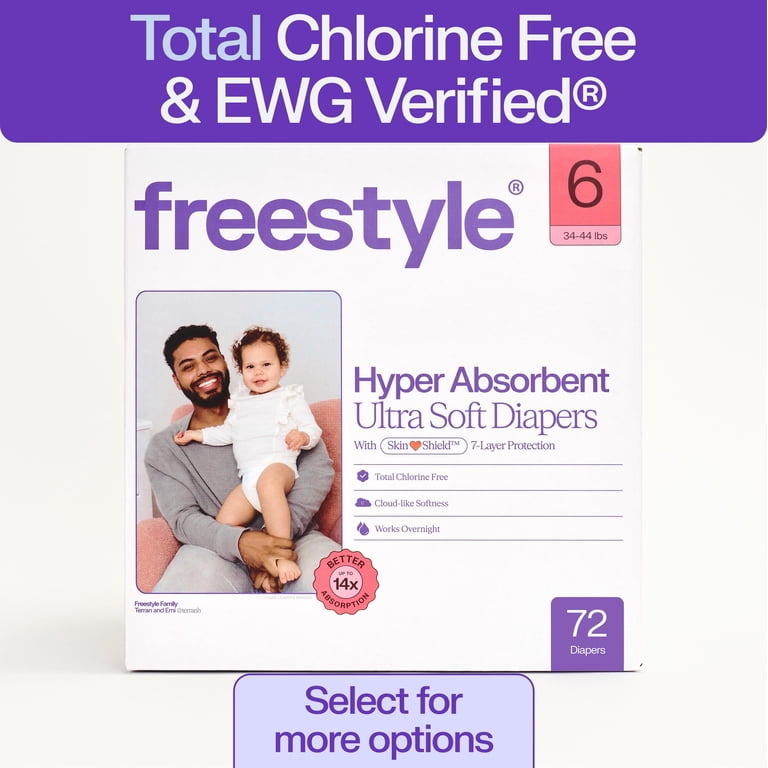
Fit is comfort. If a diaper is too small, it rubs and leaves red marks. If it is too big, it sags, leaks, and causes blowouts. Use the brand’s weight chart as a start, then fine-tune by feel.
Try the two-finger rule at the waist. You should slide two fingers under the waistband without strain. Check the leg cuffs for a soft, even seal around the thighs. When you think about How To Choose Soft And Comfortable Baby Diapers, remember that a right fit often solves leaks and rashes.

Materials and safety to look for
Diaper skin-friendliness improves with clean, tested materials. Look for the following:
- Fragrance-free and lotion-free options if your baby is sensitive. Fewer additives can lower skin irritation.
- Chlorine-free bleaching (TCF or ECF) to reduce byproducts linked with skin stress.
- Dermatologist-tested claims and third-party labels that screen for harmful substances.
- Soft nonwoven topsheets made from polypropylene or plant-based fibers that feel smooth and do not shed.
Industry reports and pediatric guidance often nudge parents toward fewer irritants. When assessing How To Choose Soft And Comfortable Baby Diapers, scan the pack for clear, simple ingredient language.

Absorbency and breathability: the comfort balance
Too much bulk can feel stiff. Too little absorbency leads to damp skin. The best diapers balance both. Look for fast wicking, even distribution, and a dry surface after several pees.
Breathability matters just as much. A breathable backsheet releases humidity so skin stays cooler. Wetness indicators help you change on time. To master How To Choose Soft And Comfortable Baby Diapers, check how airy the diaper feels and how dry the inner layer stays after use.

Skin health and rash prevention
Most diaper rashes come from trapped moisture, friction, or residue. Keep change times regular, wipe gently, and let skin air-dry for a minute. A light barrier cream can help during teething or at night.
If redness shows up, switch to a simpler diaper with clean materials. Avoid tight waistbands that rub at the belly fold. How To Choose Soft And Comfortable Baby Diapers is also about daily care: dry skin, good fit, and gentle products.
Day vs. night, newborn vs. active toddler
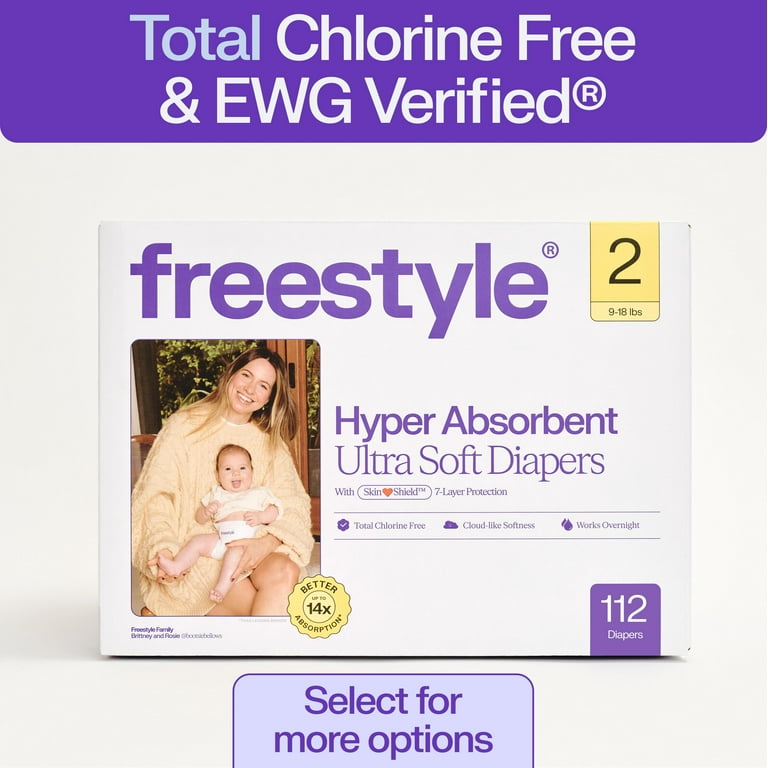
Day diapers should be soft, slim, and flexible for play. Night diapers need higher absorbency and strong leak guards. Some parents size up at night for extra room in the core.
Newborns need a cutout or gentle curve at the umbilical area. As babies start crawling, you want snug leg elastics and a waistband that moves with them. Keep How To Choose Soft And Comfortable Baby Diapers in mind as needs shift fast during growth spurts.

Eco choices and budget without losing comfort
You can go greener and still get comfort. Look for diapers with responsible pulp sourcing and reduced plastic. Some brands blend plant-based topsheets with soft, breathable films.
Cost-per-diaper is only part of the story. Track leaks and overnight changes. A slightly pricier diaper that prevents one extra change can lower both cost and skin stress. When you plan How To Choose Soft And Comfortable Baby Diapers, weigh total value, not only price.

How to test a diaper at home or in-store
You can spot comfort and softness in minutes. Try these simple checks:
- Touch test. Rub the inner layer with clean fingers. It should feel silky, not scratchy.
- Wicking test. Pour a small amount of water on the center. Press with a tissue. A good diaper leaves the tissue nearly dry.
- Flex test. Stretch the waistband and tabs a few times. They should feel smooth and bounce back without sharp edges.
- Breath test. Hold the backsheet against your lips or wrist. It should not feel clammy after a few seconds.
These hands-on steps make How To Choose Soft And Comfortable Baby Diapers clear and repeatable.

Mistakes to avoid and pro tips from the field
I made two classic mistakes with my first baby. I kept a smaller size too long and used scented diapers during hot weather. The result was chafing and a stubborn rash. Switching to a larger, fragrance-free diaper with better breathability fixed it in days.
Avoid these pitfalls:
- Ignoring fit marks. Red lines at the thighs mean the size or tabs need a change.
- Chasing extreme softness only. Ultra-plush can sometimes wick slower. Balance feel with dryness.
- Skipping mid-night checks. Young babies often need one quick change to protect skin.
- Using too much barrier cream. A thin layer is enough and keeps the diaper core working well.
Use these lessons when you think about How To Choose Soft And Comfortable Baby Diapers in real life.
A quick buying checklist you can screenshot
Use this fast list when you shop:
- Soft, silky topsheet that stays smooth when damp.
- Snug but gentle waistband and double leg guards.
- Fast wicking and even distribution in the core.
- Breathable outer layer and a wetness indicator.
- Fragrance-free, chlorine-free, dermatologist-tested claims.
- Right size confirmed by the two-finger rule.
- Day and night options that match your routine.
- Good value measured by leaks prevented, not just price.
Keep it handy to guide How To Choose Soft And Comfortable Baby Diapers each time you try a new brand.
Frequently Asked Questions of How To Choose Soft And Comfortable Baby Diapers
How often should I change a diaper to keep skin comfortable?
Change every 2 to 3 hours in the day and after each poop. At night, use a higher-absorbency diaper and change if the surface feels damp.
What size should I pick if my baby is between sizes?
Choose the larger size if the smaller leaves marks or sags when full. Use the two-finger rule at the waist to confirm comfort.
Do I need special diapers for sensitive skin?
Many babies do fine with fragrance-free, chlorine-free options. If rashes persist, try a diaper with simple materials and consult your pediatrician.
Are overnight diapers worth it?
Yes, for heavy wetters or longer sleep stretches. They add absorbency and stronger leak guards to keep skin dry until morning.
How can I tell if a diaper is breathable?
The backsheet should feel cloth-like and not trap heat. Look for claims of a breathable outer layer and test how warm the area feels after wear.
Conclusion
Softness, fit, absorbency, and breathability work together to protect delicate skin. Use the two-finger fit check, choose clean materials, and match day versus night needs. These small choices make a big comfort lift.
Keep practicing How To Choose Soft And Comfortable Baby Diapers each time you shop. Test, compare, and trust your baby’s skin feedback. Ready to dial in your picks? Save the checklist, try a small pack, and share your wins or questions in the comments.