Start on wet, slippery hair; section, add slip, and detangle from ends upward.
You want soft curls, not tears. I get it. I have spent years helping clients and my own family master how to detangle curly hair without pain. In this guide, I break down what works, what to avoid, and why it all matters. If you want a simple, science-backed way to learn How To Detangle Curly Hair Without Pain, you are in the right place.

Understanding Curly Knots and Why They Hurt
Curly hair spirals and loops. Those loops catch on each other. That is how knots form.
When you pull hard, the cuticle lifts. That causes breakage and pain.
Low slip and dry strands make it worse. Add water and product, and friction drops fast.
Healthy detangling is about less force, more glide, and good timing.
You can learn How To Detangle Curly Hair Without Pain by changing the order of steps.
We will use slip, small sections, and slow hands. That is the whole game.

Prep: Set the Stage Before You Touch a Tangle
Good prep turns a hard task into an easy one.
Do not rush. Your curls can feel it.
Think of prep like warming up before a run.
Try these simple steps:
- Saturate with warm water until the hair is fully wet.
- Add a rich rinse-out conditioner with great slip.
- Let it sit for 3 to 5 minutes to soften knots.
- Work in small sections. Clip away the rest.
- Keep a spray bottle nearby to re-wet as you go.
I teach clients How To Detangle Curly Hair Without Pain by putting 70% of the effort into prep.
Once hair is soft and slick, the rest feels easy.

The Right Tools and Products
Your tools should help, not fight you.
Skip fine combs and stiff brushes.
Choose items that bend and glide.
Best tools for most curls:
- Fingers for gentle feel and control.
- A wide tooth comb with smooth seams.
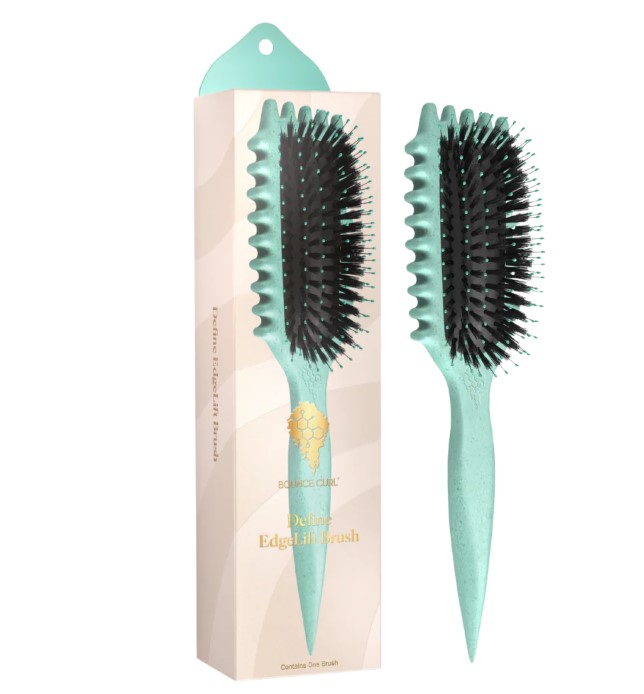
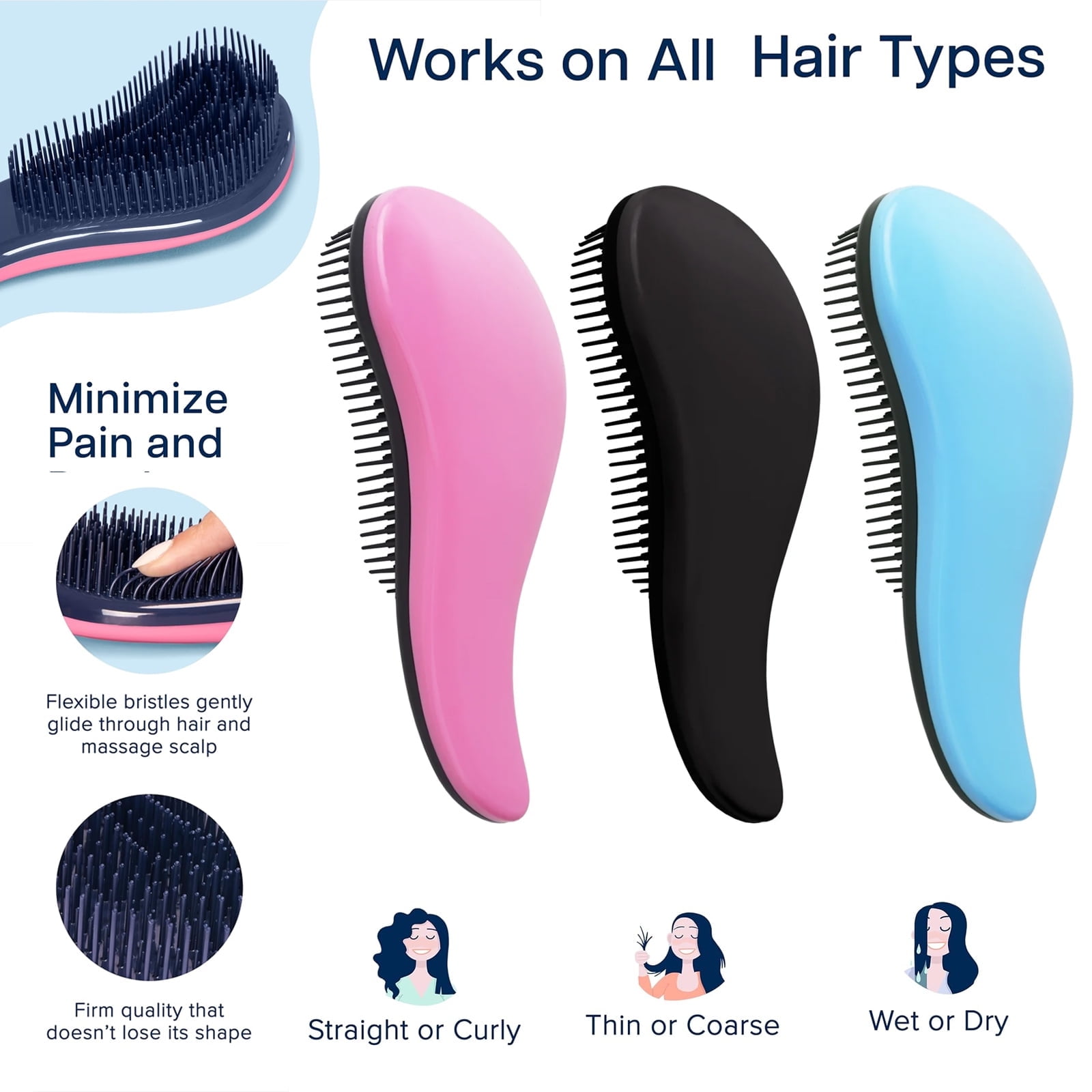
- A flexible detangling brush with moving rows.
- Plastic hair clips that do not snag.
- A satin scrunchie to hold finished sections.
Products that add slip and cut friction:
- Rinse-out conditioner with cationic surfactants.
- Detangling spray or leave-in with light silicones.
- A few drops of hair oil for extra glide on dry ends.
- A chelating or clarifying wash once a month if you have hard water.
Great tools give you more control with less force.
That is key for How To Detangle Curly Hair Without Pain.

Step-by-Step: How To Detangle Curly Hair Without Pain
Follow this simple routine.
I use it in the salon and at home.
It protects both hair and scalp.
-
Soak and load with slip
Drench hair with warm water.
Apply a palmful of conditioner per section.
Focus on ends and mid-lengths first. -
Section with care
Split hair into four to eight sections.
Clip each one.
Work one small section at a time. -
Start at the ends
Use your fingers or a wide tooth comb.
Gently loosen the tips.
Move up a little at a time. -
Use short, soft strokes
Do not rake from roots to ends.
Reset your grip as you go up.
Keep hair wet and slippery at all times. -
Switch tools when needed
Fingers first for big knots.
Then comb.
Then a flexible brush to smooth. -
Rinse and lock in
After each section is free, rinse cool.
Add a leave-in and a light curl cream.
Scrunch and let it be.
This is the heart of How To Detangle Curly Hair Without Pain.
Move slow. Add slip. Work from ends to roots.
It will save your strands and your scalp.

Wet, Damp, or Dry? Choosing the Best State
Water swells hair and softens the cuticle.
Conditioner adds glide. That is why wet detangling is best for pain-free care.
Damp detangling can work for looser curls or fine hair.
Dry detangling needs oil for slip.
Use it only for very tight coils or when you must avoid swell.
If you do it dry, be generous with oil and work in tiny sections.
For most people, wet with conditioner is the fastest way to learn How To Detangle Curly Hair Without Pain.
Pick the state that gives you the least pull and the most control.

Techniques for Different Curl Types and Textures
No two heads are the same.
Match your method to your pattern and density.
Here is a quick guide.
For waves and loose curls:
- Use damp hair and a light leave-in.
- Finger detangle, then a wide tooth comb.
- Avoid heavy oils that can weigh hair down.
For classic curls:
- Wet detangle with rich conditioner.
- Use a flexible brush after fingers.
- Define with gel for less frizz later.
For tight coils and kinky hair:
- Pre-soften with a warm oil pre-poo.
- Detangle in tiny sections under running water.
- Use a strong slip conditioner and patient fingers.
All textures can follow the same core idea.
Ends first, then up.
That is the base of How To Detangle Curly Hair Without Pain.
Pain-Reduction Tricks Backed by Science and Salon Practice
A few small changes can drop pain fast.
I call these my comfort hacks.
They work for kids and adults.
Try these:
- Hold the section above the knot to shield the scalp.
- Keep the brush vertical, then horizontal, to ease tight spots.
- Add more product the moment you feel drag.
- Breathe out and slow down when you hit a snag.
- Use cool water at the end to seal and calm the scalp.
Why they work:
- Slip reduces friction between strands.
- Shielding lowers tension on follicles.
- Short strokes spread force across a small area.
- Cool water helps close lifted cuticles.
This is the quiet science behind How To Detangle Curly Hair Without Pain.
Less friction plus less tension equals less pain.

Common Mistakes to Avoid
Small errors add up to big pain.
Fix these, and your next session will feel easy.
Your curls will thank you.
Avoid these habits:
- Raking from roots to ends in one pass.
- Skipping water and conditioner.
- Using a fine comb on tight coils.
- Detangling in a rush.
- Ignoring build-up that kills slip.
If you catch yourself doing any of these, reset.
Go back to water, product, and small steps.
That is How To Detangle Curly Hair Without Pain, even on a busy day.

Aftercare: Seal, Style, and Prevent Future Knots
Detangling is only half the job.
Keep your curls smooth so the next session is quick.
Prevention saves time and hair.
Protect your work:
- Apply a leave-in and seal ends with a few drops of oil.
- Set curls with gel or cream to cut friction and frizz.
- Choose low-manipulation styles during the week.
- Sleep on satin and use a bonnet or scarf.
- Refresh with a light mist and leave-in on dry spots.
These habits make each knot smaller and softer.
They also reinforce How To Detangle Curly Hair Without Pain in the long run.
Kid-Friendly and Tender-Head Tips
Kids need extra care and speed.
Make it calm and simple.
Turn detangling into a routine they can trust.
What helps most:
- Detangle during a bath with warm water and cartoons nearby.
- Hold hair above the tangle to cut pulling.
- Use songs or stories to time each section.
- Reward small wins and stop when they are tired.
Parents often ask How To Detangle Curly Hair Without Pain for tender heads.
This is the way: more slip, tiny sections, and lots of praise.
Troubleshooting: Severe Tangles, Matting, and Shedding
Sometimes things get rough.
Do not panic or yank.
Slow is still the cure.
For a hard knot:
- Soak it with water and a thick conditioner.
- Pinch above the knot, then tease it apart with fingers.
- Add a drop of oil and switch to a wide tooth comb.
For mats or bird’s nests:
- Work on the mat only. Keep it very wet.
- Use the end of a comb to loosen the edges first.
- If needed, trim only the matted tips, not healthy curls.
If you see heavy shedding, check stress, health, and tight styles.
Seek a pro if you notice scalp pain or bald spots.
Your health comes first in any plan for How To Detangle Curly Hair Without Pain.
Frequently Asked Questions of How To Detangle Curly Hair Without Pain
Is it better to detangle curly hair wet or dry?
Wet with conditioner is best for less pain and breakage. Dry detangling can work with oil on tight coils, but go very slow.
What products give the most slip for painless detangling?
Use a conditioner with cationic surfactants and a light silicone leave-in. Add a few drops of oil to stubborn ends for extra glide.
How often should I detangle curly hair?
Detangle when you wash or refresh, usually one to three times a week. The right routine keeps sessions short and painless.
Which brush is best for curly hair detangling?
Pick a flexible detangling brush or a wide tooth comb. Make sure the teeth are smooth, and always start with your fingers.
Can I detangle curly hair without any breakage?
You can reduce breakage a lot, but zero is rare. Use slip, small sections, and short strokes to keep it minimal.
How do I detangle my child’s curly hair without tears?
Use warm water, lots of conditioner, and hold hair above the knot. Keep sessions short and offer breaks and rewards.
What if my hair is matted after a protective style?
Soak with water and heavy conditioner, then work from the edges of the mat. Add oil and take your time; cut only as a last step.
Conclusion
Pain-free detangling is not a myth. It is a method. Prep with water and slip, work in small sections, start at the ends, and protect your scalp with soft, short strokes. That is the simple path for How To Detangle Curly Hair Without Pain.
Try the routine on your next wash day and time yourself. Each week will get faster. If this helped, share it with a curl friend, subscribe for more step-by-step guides, or leave a comment with your biggest detangling win.