Pick by weight, check snug legs and waist, watch for red marks or leaks.
Choosing the right fit is easier than it seems once you know what to look for. In this guide on How To Choose The Right Diaper Size For Babies, I combine hands-on tips, data-backed advice, and real-life lessons from helping many new parents. You will learn simple steps, clear fit checks, and smart fixes that save you time, money, and sleep.

Why the right diaper size matters
The right size keeps your baby dry, comfy, and rash free. A good fit also prevents leaks and blowouts, which means fewer outfit changes and less laundry. It can even help your baby sleep longer because the diaper is not digging in or leaking at night.
Good sizing supports healthy skin. If a diaper is too tight, it traps heat and moisture. That can lead to chafing and rashes. If it is too loose, pee and poop escape and irritate the skin. Getting sizing right early makes each change smooth and stress free.
From a budget view, the correct size cuts waste. You use fewer diapers because they hold better and leak less. You can also plan your stock with more confidence. That is why learning How To Choose The Right Diaper Size For Babies pays off fast.
How diaper sizes work
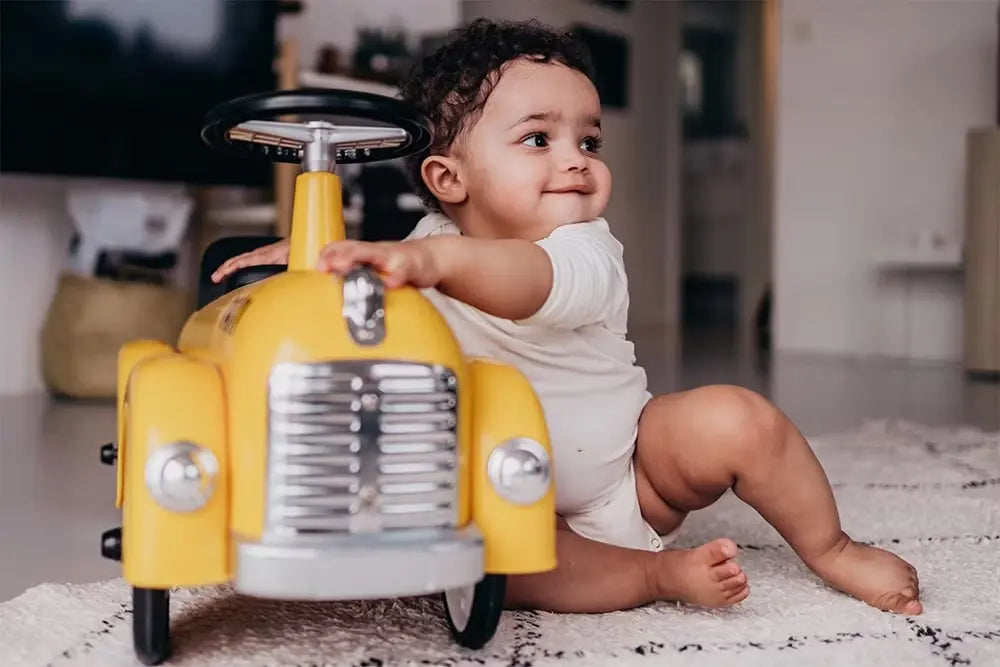
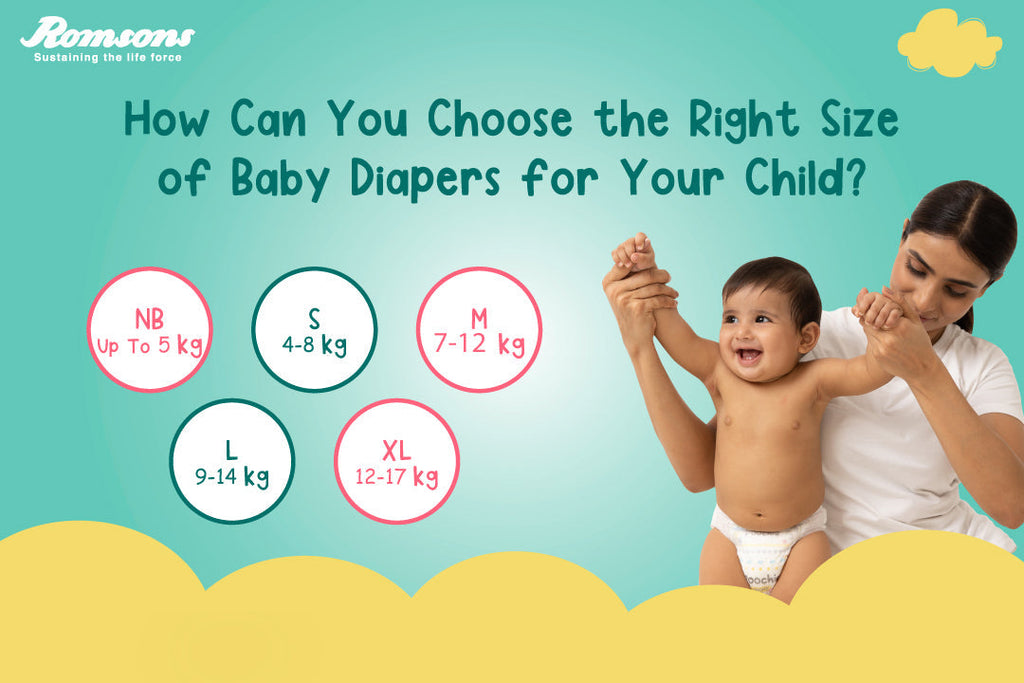
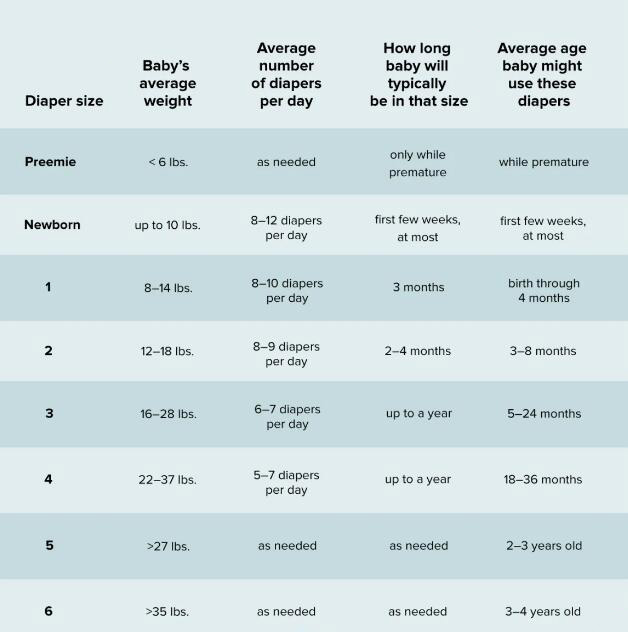
Most disposable diaper brands size by weight, not age. Each size covers a weight range that often overlaps with the next one. For example, Size 1 may go up to 14 lb and Size 2 may start at 12 lb. Overlap is by design, since babies have different shapes.
Here are key points:
- Weight is the starting point. Use a recent weight, not a birth estimate.
- Overlap is normal. If your baby is near the top of a range, test the next size up.
- Newborn options may include preemie and umbilical cord cutouts. Move on once the stump falls off and the fit gets snug.
- Cloth diapers and covers use rise snaps and inserts. They do not match disposable sizes. Follow the maker’s fit guide.
From my experience, parents worry about “waste” when moving up a size. I get it. But if your baby is leaking or has red marks, the cost of staying small is higher. When in doubt, test one small pack of the next size.
Step-by-step: How to choose the right diaper size for babies
Use this simple flow to dial in the right fit fast.
-
Weigh your baby today
Use a baby scale or step on a bathroom scale with and without your baby. Record the number. -
Check the brand’s weight chart
Match your baby’s weight to the range. If your baby sits near the top, plan to test the next size soon. -
Do a quick fit test
Put on the diaper snug but not tight. Run a finger around the waist and thighs. You should slide one finger under with light resistance. -
Watch for red marks and leaks
After one to two hours, look along the thighs and belly. Faint lines are normal. Deep red grooves are not. If you see red marks or leaks, adjust tabs. If that fails, try the next size or a different brand cut. -
Recheck every 2 to 3 weeks
Babies grow fast. Make it a habit to reassess weight and fit. This is the heart of How To Choose The Right Diaper Size For Babies with confidence.
Fit check: the 5-point test
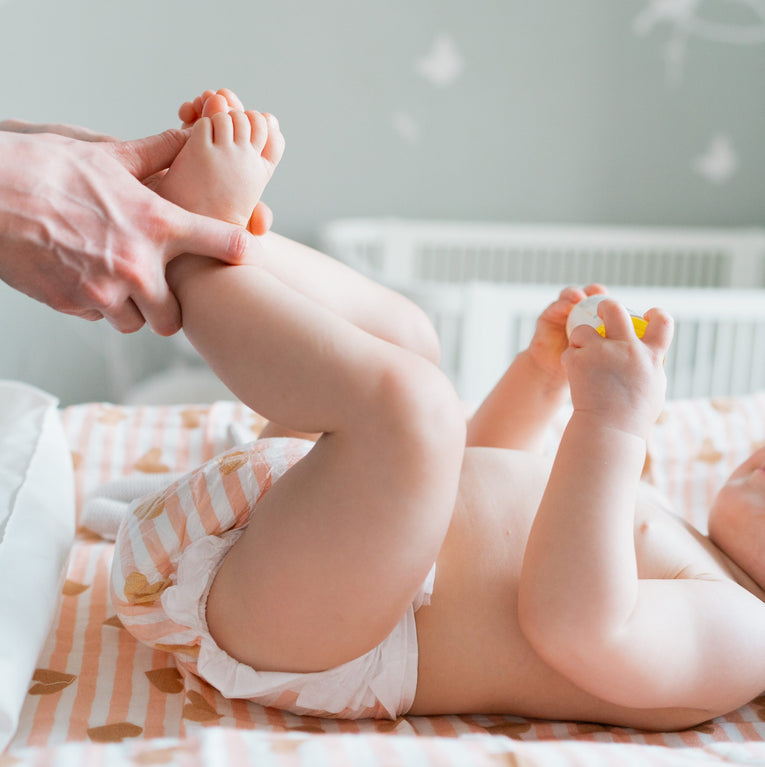
Use this quick test at each change. It takes 10 seconds and saves mess later.
- Waist: The waistband sits at or just below the belly button. You can fit one finger under the band without strain.
- Legs: The leg cuffs are flipped out, not tucked in. No gaps when baby moves.
- Tabs: Tabs land symmetrically on the landing zone. They do not meet in the center or pull far to the edges.
- Back: The back rises high enough to cover the top of the bum. No dip that invites blowouts.
- Movement: Baby can bend, kick, and sit without the diaper cutting in or sagging.
If you miss one point often, you likely need a new size or a new brand shape.
Signs you need to size up or down
Sizing up signs:
- Frequent leaks or blowouts, even with timely changes.
- Red marks around the thighs or waist after short wear.
- Tabs pulled wide and still tight, or the front sits low.
Sizing down signs:
- Loose leg openings and gaps you can see.
- Diaper sags or falls when wet.
- Tabs overlap in the center even when pulled gently.
A quick reminder on How To Choose The Right Diaper Size For Babies: always fix technique first. Flip out the leg ruffles. Smooth the back. If leaks persist, change size.
Brand and diaper type differences
Not all diapers fit the same, even at the same labeled size. Some brands run narrow in the thighs. Others have a taller rise. If your baby has chunky legs or a round belly, try a “stretchy sides” style. Long and lean babies may prefer a slimmer cut.
Consider diaper types:
- Daytime disposables: Great for breathability and movement.
- Overnight disposables: Thicker core to hold more and prevent night leaks. You might need to size up at night only.
- Swim diapers: Not absorbent by design. They contain solids in the pool. Use your baby’s current weight guide for these.
- Cloth diapers: One-size covers adjust with snaps. Use inserts or prefolds to tune absorbency. Check leg seal and rise snaps for a custom fit.
- Training pants: Pull-ons for toddlers who move a lot or begin potty learning. Choose by weight and waist measurement.
I keep a small “test kit” with two brands and an overnight option. That way, I can swap if we hit a growth spurt. This small habit is a secret weapon in How To Choose The Right Diaper Size For Babies without panic.

Age and stage tips
Newborn and early weeks
Use newborn or preemie sizes with umbilical cutouts if needed. Change often to protect skin. Move to Size 1 when the stump is gone or tabs pull tight.
0 to 3 months
Growth is fast. Recheck weekly. If you hit two leaks in a day with good technique, test the next size.
4 to 6 months
Chunky thighs are common. Look for soft, stretchy leg elastics. A wider core helps for longer naps.
Mobile crawlers and early walkers
Movement makes gaps more likely. Choose diapers with flexible sides and secure cuffs. Some parents size up for night only.
Toddlers
More output, more movement. Consider overnight diapers for sleep and a snug day size for play. For potty-curious kids, try training pants but watch for fit the same way.

Common problems and quick fixes
Leg leaks
Check that leg ruffles are flipped out. Tighten tabs a touch. If leaks persist, your baby may need a brand with stronger leg elastics or the next size.
Back blowouts
Raise the back higher when fastening. Make sure the front sits high enough too. If poop shoots up the back often, size up or try a taller rise cut.
Red marks and chafing
Loosen the tabs first. Add a thin layer of barrier cream at each change. If marks remain, go up a size. Breathable styles help on hot days.
Night leaks
Try an overnight diaper or size up at night only. Limit last-minute gulps right before bed, but do not restrict needed feeds.
Strong ammonia smell with cloth
Increase absorbency and change more often. Rinse inserts well and adjust wash routine.
From coaching dozens of first-time parents, the biggest win is this: adjust one thing at a time. Fit, then brand, then size. This simple order demystifies How To Choose The Right Diaper Size For Babies and keeps stress low.

Budget, eco, and storage tips
Smart buying
Start with small packs when testing new sizes or brands. Once you confirm fit, buy in bulk or subscribe. Keep one open pack and one backup. Babies outgrow sizes fast.
Eco and cloth
If you use cloth, build a small stash first. Two to three covers and eight to ten inserts per day is a workable start. For disposables, look for plant-based liners and fragrance-free cores if skin is sensitive.
Season and travel
Heat and sweat can make a snug diaper feel tighter. In summer, choose breathable styles and check for red marks more often. For travel, pack a few of the next size in case your baby hits a growth leap mid-trip.
Storage
Store diapers flat and dry, away from heat. Rotate stock by size and date so you do not end up with three open packs you no longer need.
These simple practices support How To Choose The Right Diaper Size For Babies while keeping waste and cost under control.
Frequently Asked Questions
How often should I reassess my baby’s diaper size?
Check weight and fit every 2 to 3 weeks in the first six months. After that, reassess at least monthly or whenever you see leaks or red marks.
Is age a good way to pick diaper size?
Age is not reliable because babies grow at different rates. Always choose by weight and confirm with a quick fit test.
Should I size up at night but keep the day size?
Yes, many parents do this with great results. Use an overnight or one size up at bedtime to handle longer stretches.
What if my baby is between two sizes on the chart?
If near the top of the lower range and leaks are common, try the next size. If near the bottom of the higher range, test both and pick the one that passes the fit test.
Do different brands fit the same at the same size?
No, brand cuts vary a lot. If your usual brand leaves marks or gaps, try a different cut even at the same labeled size.
How tight should the tabs be?
Snug but gentle. You should slide one finger under the waistband with light resistance, and the tabs should land evenly.
Can diaper size affect diaper rash?
Yes. A too-tight diaper traps moisture and rubs skin. A proper size plus frequent changes can lower rash risk.
Conclusion
The right size starts with weight, but the win comes from a quick fit check and steady reassessments. Watch the waist and legs, scan for red marks, and respond fast when leaks show up. Small tweaks beat big messes.
Use what you learned today to test one size and one brand change at your next pack. If this guide on How To Choose The Right Diaper Size For Babies helped, share it with a friend, subscribe for more parent-first tips, or leave a question so I can help you solve your next diaper mystery.