Always secure the lid, start slow, and unplug before you clean the blades.
I have used and tested many blenders over the years, and I know what keeps kitchens safe. This guide on How To Use A Blender Safely gives clear, step-by-step advice, practical examples, and real-life tips. You will learn how to pick the right settings, prevent common accidents, and clean and care for your blender so it lasts. Read on for simple actions you can use today to protect yourself and your family.
Why blender safety matters
A blender is a powerful tool. It chops, purées, and crushes hard ingredients fast. That power helps in the kitchen but can also cause cuts, burns, and appliance damage. Knowing How To Use A Blender Safely reduces injuries and avoids costly repairs.
Safe blender use protects your hands and your food. It also extends the blender’s life. Small habits make a big difference. Follow simple rules and you will cut risk dramatically.

Know your blender: types and key parts
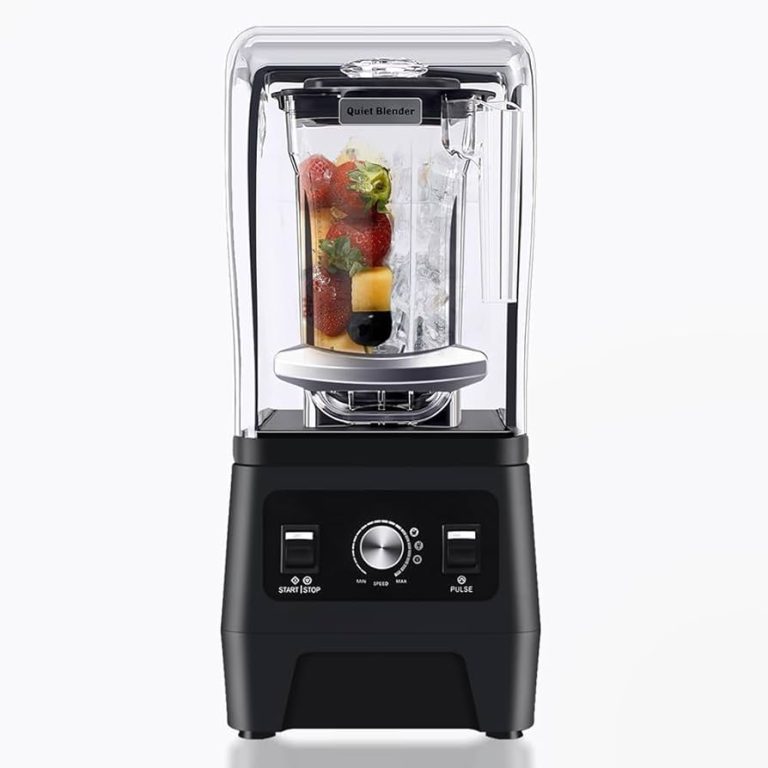
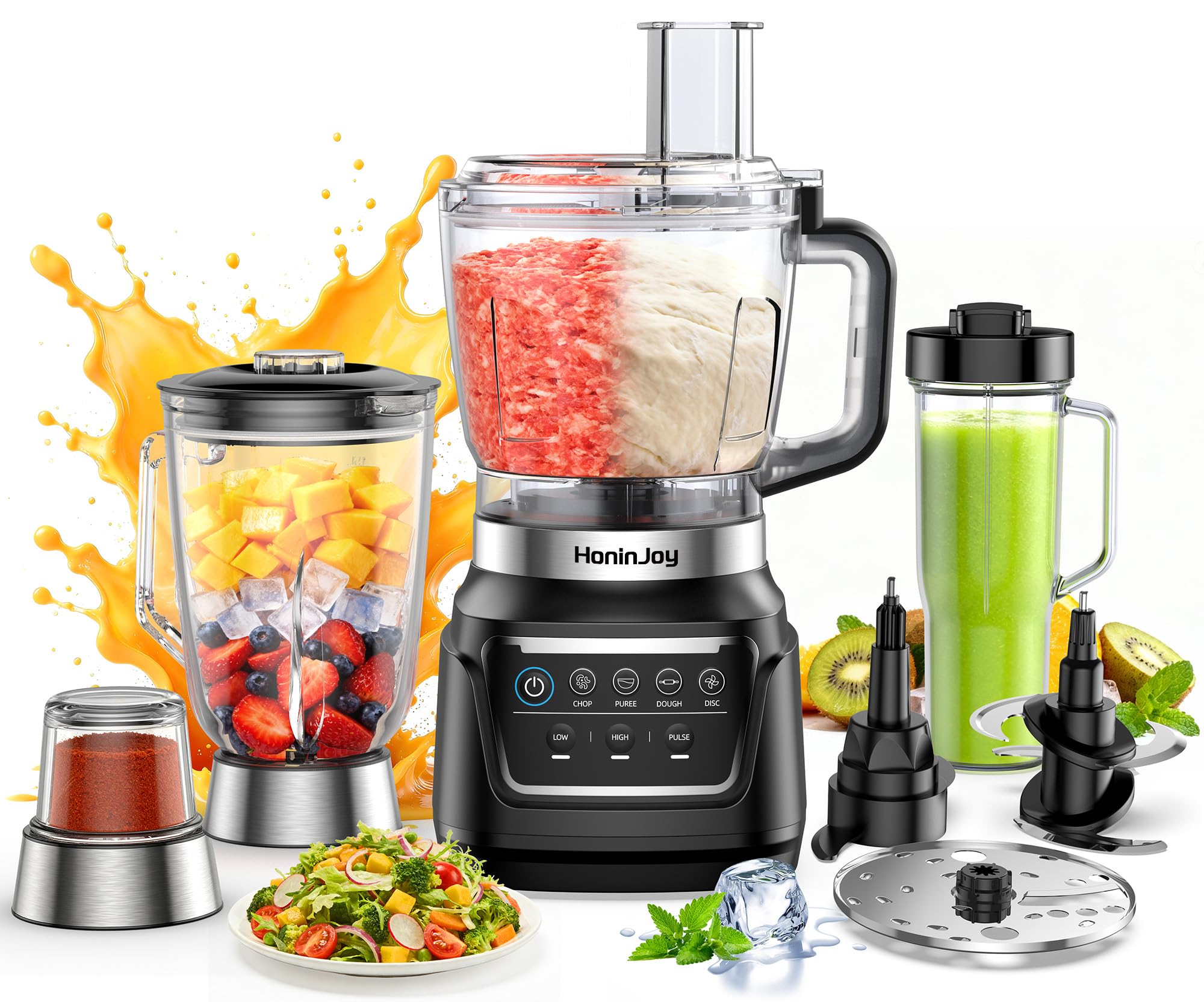
Different blenders need different care. Countertop blenders often have a heavy jar and a base with a motor. Personal or single-serve blenders have smaller jars and removable blades. Immersion blenders have exposed blades on a stick.
Key parts to know:
- Jar or pitcher: holds ingredients. Check for cracks.
- Lid and cap: prevent splashes and allow venting.
- Blade assembly: sharp and spin fast.
- Base and motor: heavy and should stay dry.
- Controls and safety locks: some models lock the jar for safe use.
Identifying parts helps you learn how to use a blender safely. Always read the manual for model-specific warnings.

Preparing to blend safely
Preparation lowers risk. Do these checks before you start.
- Inspect the jar for chips or cracks.
- Check the blade assembly for looseness.
- Ensure the base is dry and stable.
- Use the right plug and outlet; avoid extension cords.
- Make sure the lid fits and the cap is secure.
If you blend hot liquids, let them cool slightly. Hot steam can build pressure. Vent the lid or blend in short bursts to avoid splatter. These steps are core to How To Use A Blender Safely.

Step-by-step: How To Use A Blender Safely
Follow these steps each time. They are simple and effective.
- Assemble and check
- Place the jar on the base and twist to lock if needed.
- Confirm the blade assembly is tight and the lid seals.
- Add ingredients properly
- Put liquids in first, then soft items, then hard or frozen pieces.
- Do not overfill; leave room for expansion.
- Start slow
- Begin at low speed to pull items into the blades.
- Gradually increase speed as needed.
- Pulse for control
- Use short pulses for chunky textures or to break ice.
- Pulsing reduces splatter and prevents overheating.
- Blend hot liquids safely
- Remove the center cap or vent the lid.
- Hold a towel over the lid and use low speed.
- Stop before opening
– Turn off and unplug before removing the lid or touching the blades.- Never reach into the jar while the blades spin.
These are the practical steps I use every day. Practicing them will help you learn How To Use A Blender Safely.

Cleaning, maintenance, and storage
Clean your blender after each use. Proper care keeps it safe and hygienic.
- Unplug first. Safety starts with power off.
- Remove the jar from the base before rinsing.
- Use a brush or sponge to clean blades carefully.
- For deep cleaning, blend warm water with a drop of dish soap, then rinse.
- Dry all parts completely to prevent mold.
- Inspect seals and gaskets monthly for wear.
- Replace cracked jars or dull blades promptly.
Store the blender with the lid off to avoid musty smells. Regular maintenance reduces leaks and electrical hazards.
Common risks, causes, and how to avoid them
Knowing typical causes helps prevent accidents.
- Cuts from blades
- Cause: reaching into the jar or cleaning with the unit plugged in.
- Prevention: always unplug and use a brush to clean.
- Burns from hot liquids
- Cause: pressure build-up and sudden splatter.
- Prevention: cool liquids, vent lids, and blend slowly.
- Motor burnout
- Cause: overfilling, running on high for long periods.
- Prevention: follow duty-cycle recommendations and pulse as needed.
- Electric shock
- Cause: wet base or damaged cord.
- Prevention: keep the base dry and replace frayed cords.
- Chipped or broken jars
- Cause: dropping jars or blending very hard objects without liquid.
- Prevention: handle jars carefully and add enough liquid.
These points show why following safety rules matters. Use common sense and model instructions to stay safe.
Personal tips and real-life lessons
I once cracked a jar by blending frozen fruit with too little liquid. Since then, I always add a splash of water or milk first. I also learned to secure lids with a towel when blending hot soup.
Tips from my experience:
- Use tamper tools that come with some models. They let you push ingredients safely.
- Keep children away during operation. Blenders are noisy and tempting for tiny hands.
- Label personal blenders for tasks like raw meat or baby food to avoid cross-contamination.
- Replace parts early. A low-cost gasket can stop leaks and electrical issues.
Learning comes from small mistakes. These lessons helped me master How To Use A Blender Safely.

Frequently Asked Questions of How To Use A Blender Safely
Is it safe to blend hot liquids?
Blend hot liquids with care. Let them cool slightly, vent the lid, and use low speed to reduce pressure and splatter.
How do I clean blades without cutting myself?
Unplug the blender, remove the jar, and clean blades with a brush or sponge. Never put your fingers near blades while assembled.
Can I blend ice and frozen fruit?
Yes, if your blender is rated for ice. Add liquid, start slow, and use pulse mode to protect the motor and blades.
How often should I replace blender parts?
Inspect seals, gaskets, and blades monthly. Replace worn or cracked parts as soon as you notice damage to avoid leaks and safety risks.
Is it okay to use an extension cord with my blender?
Avoid extension cords. Use a grounded outlet near your counter. If you must use one, pick a heavy-duty cord rated for appliances.
What should I do if the blender smokes or overheats?
Turn it off immediately, unplug it, and let it cool. Check for blockages and give the motor time to rest. If smoking persists, seek professional repair.
Conclusion
Safe blender use is about small habits. Secure the lid, start slow, unplug before cleaning, and follow your model’s instructions. Regular checks, careful cleaning, and mindful operation keep you safe and extend the appliance life. Try these steps the next time you blend and see how simple safety becomes routine. Share your experience, subscribe for more kitchen safety tips, or leave a comment with your blender questions.