Use a gentle automatic toothbrush twice daily with smart guides and soft pressure.
If you want a cleaner mouth with less effort, you’re in the right place. I’ve tested dozens of brushes in clinics and at home, and I’ll show you How To Improve Oral Hygiene With An Automatic Toothbrush the simple way. We’ll cover what works, what to avoid, and how to lock in habits that last. By the end, you’ll know exactly which steps boost gum health, fight plaque, and keep your smile bright.
Why an automatic toothbrush boosts oral hygiene
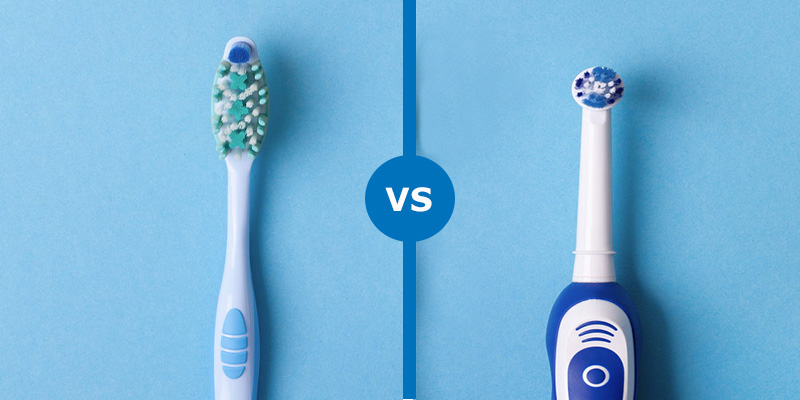
Automatic brushes do more work with less effort. They move thousands of times per minute or spin each bristle head for you. That means better plaque removal in tight spots and along the gumline. Clinical studies show powered brushes reduce plaque and gingivitis more than manual brushes when used for two minutes.
Timers and pressure sensors also help. A built‑in timer keeps you honest. A pressure light warns you when you scrub too hard. That protects your enamel and gums. This is the core of How To Improve Oral Hygiene With An Automatic Toothbrush: let the tool guide your time and touch.
From my chairside view, patients who switch often notice less bleeding in two weeks. Breath improves as plaque drops. The key is consistency and gentle technique.
Types of automatic toothbrushes and how they work
There are two main types.
- Oscillating‑rotating. A small round head rotates and pulsates. You pause on each tooth and let the brush do the work.
- Sonic. A longer head vibrates at high speed to sweep and disturb plaque and fluid around teeth.
Both work well when used right. Choose soft bristles and a small head. That helps you reach the back molars. For How To Improve Oral Hygiene With An Automatic Toothbrush, the best type is the one you will use twice a day with a soft touch.
Modes can help with sensitivity or whitening. But the biggest wins come from time, technique, and gentle pressure. Fancy extras are nice, not needed.
How To Improve Oral Hygiene With An Automatic Toothbrush: step-by-step technique
Follow these steps. Keep your grip light, like holding a pen.
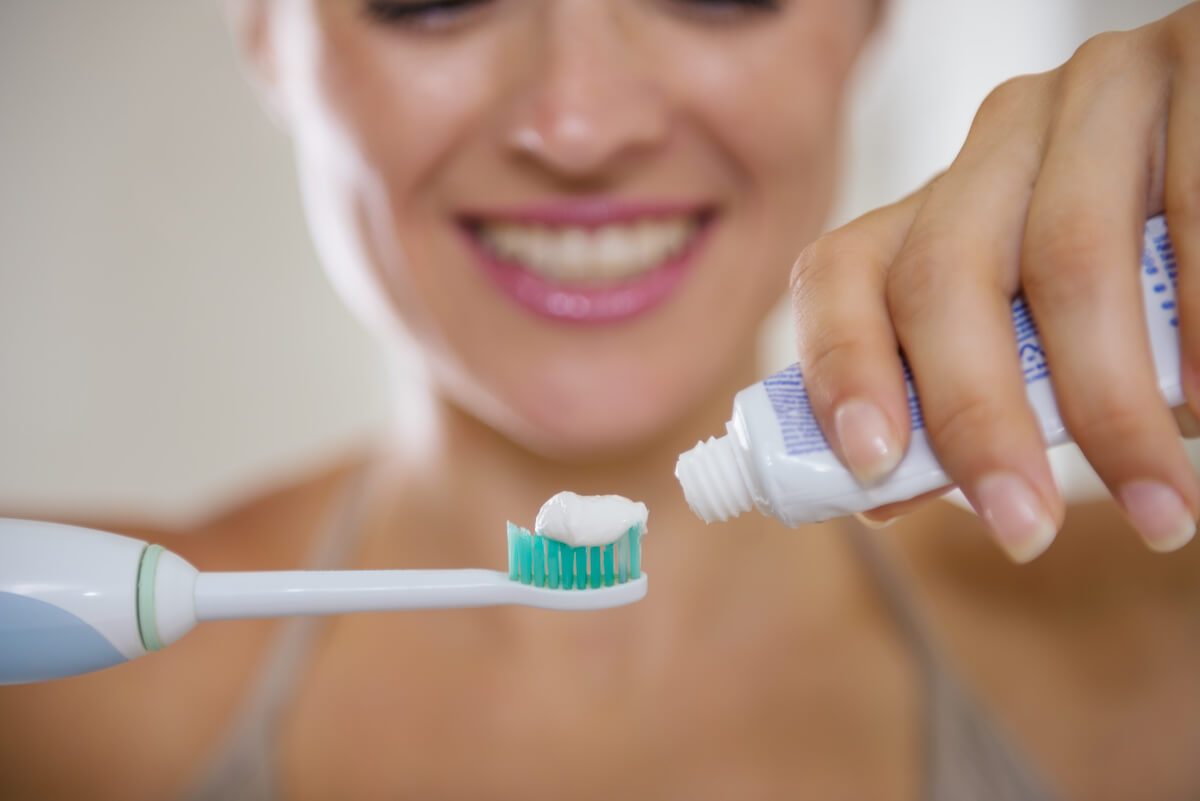
- Load a pea‑size dab of fluoride toothpaste. For kids under six, go even smaller.
- Split your mouth into four areas. Brush each for 30 seconds.
- Place the bristles at the gumline. Aim slightly toward the gums.
- For oscillating heads, hold on each tooth two to three seconds. Roll to the next tooth.
- For sonic heads, glide slowly. Let the vibrations sweep. Use tiny guiding moves.
- Cover outer, inner, and chewing surfaces. Do not forget the back of the last molars.
- Light pressure only. If your brush has a pressure light, keep it off.
- Brush your tongue or use a scraper for fresh breath.
- Spit out the paste. Do not rinse right away. Let the fluoride sit for a few minutes.
Two minutes, twice a day, every day. That is the heart of How To Improve Oral Hygiene With An Automatic Toothbrush. Keep it slow and steady. The brush should hum, not roar.
Build a routine that sticks
Habits beat hacks. Set a fixed time in the morning and at night. Stack brushing onto something you already do, like coffee or skin care. Keep the brush on your counter, charged and visible.
Use the timer. Many brushes beep every 30 seconds. Switch areas on the beep. If you snack on acidic foods, wait 30 minutes before brushing. This prevents enamel wear. A small travel brush or case helps you stick with How To Improve Oral Hygiene With An Automatic Toothbrush even on trips.
Pair your brush with flossing and rinses
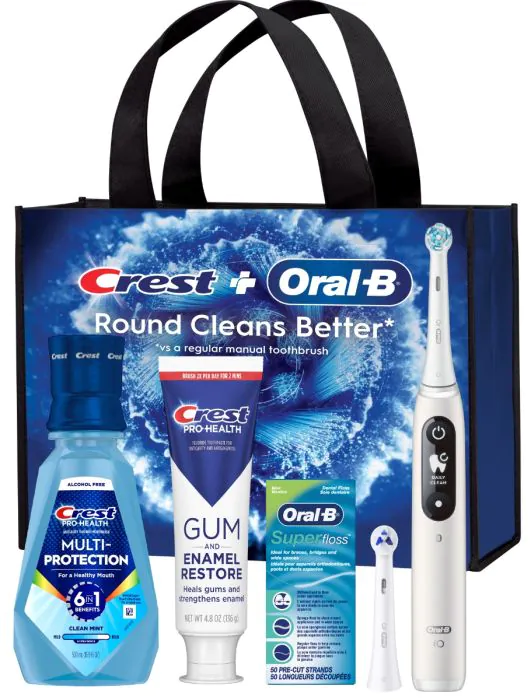
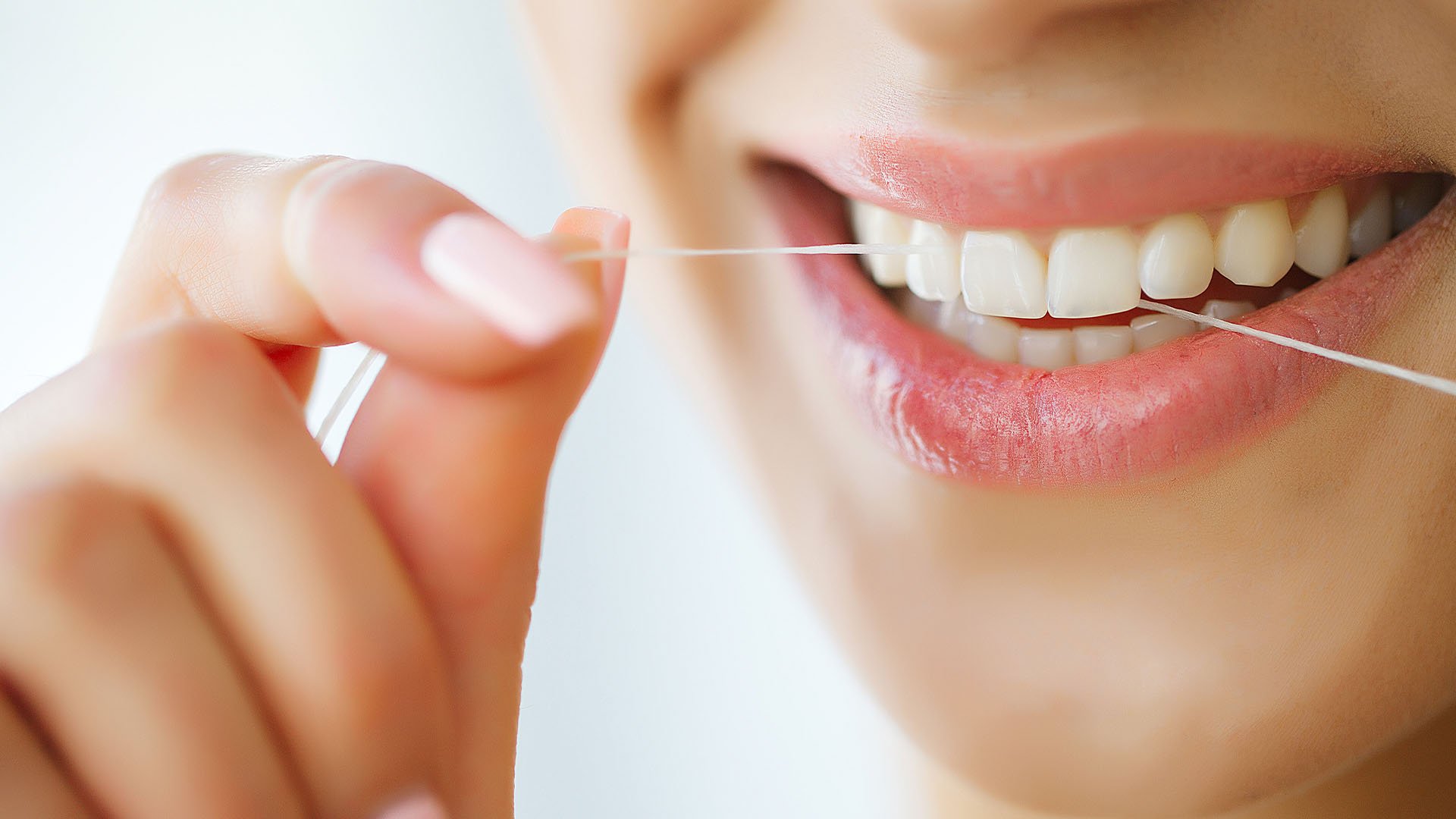
A brush can’t clean between teeth. That is where floss, interdental brushes, or a water flosser shine. Pick one tool and make it daily.
- Tight spaces. Use waxed floss or a water flosser.
- Gaps or bridges. Use interdental brushes sized by your dentist.
- Mouthwash. Use a fluoride rinse at a different time than brushing, or at least five minutes later, so you do not wash away fluoride right away.
When people ask How To Improve Oral Hygiene With An Automatic Toothbrush, I add this: pair it with daily interdental cleaning. That is where many cavities start.
Choose the right device and heads
Look for these features first.
- Soft bristles and a compact head. Gentle on gums, easy to place.
- A two‑minute timer with 30‑second pacer. Keeps you on track.
- A pressure sensor. Prevents scrubbing damage.
- Easy‑to‑find replacement heads. Replace every three months or sooner if splayed.
Nice‑to‑have extras include a travel case, long battery life, and a simple app. Modes are optional. A budget brush with a timer and soft head can still nail How To Improve Oral Hygiene With An Automatic Toothbrush if you use it well.
Common mistakes to avoid
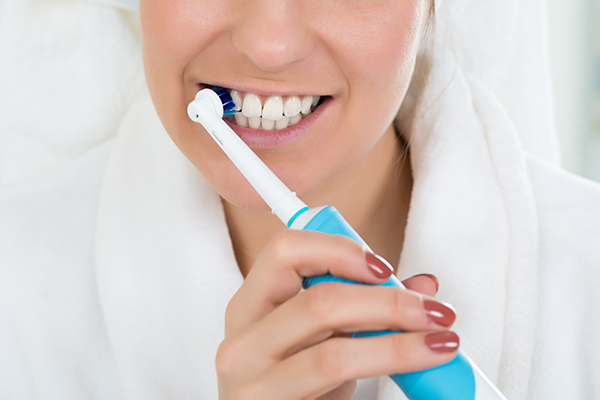
People often scrub like they are cleaning grout. That causes gum recession and not cleaner teeth. Let the brush move; you guide it.
Other errors I see:
- Using a hard brush. This wears enamel. Choose soft.
- Skipping the gumline. That is where plaque lives. Aim there first.
- Too much paste. More foam is not more clean. Use a pea size.
- Old heads. Frayed bristles do not clean well. Replace on time.
- Forgetting the tongue. That is a big source of bad breath.
Fix these, and you will master How To Improve Oral Hygiene With An Automatic Toothbrush fast.
Special scenarios: braces, implants, sensitivity, kids, and seniors
Braces trap plaque. Use an orthodontic head, interdental brushes, and a water flosser. Angle above and below the wire. Be patient.
Implants need low‑abrasive paste and soft bristles. Clean the collar area well. Sensitivity or recession calls for a gentle mode and very light pressure.
For kids, an automatic brush can make brushing fun. Supervise until they can tie their shoes well, often around age seven to eight. For seniors or anyone with limited grip, choose a brush with a thicker handle and long battery life. This keeps How To Improve Oral Hygiene With An Automatic Toothbrush simple for every stage of life.
Maintenance and hygiene of your automatic toothbrush
Rinse the head well. Flick off water and let it air dry upright. Do not store it in a closed, wet case at home.
Once a week, wipe the handle and base. If heads get moldy collars, soak the plastic base in diluted mouthwash for a few minutes, then rinse. Do not share brush heads. Travel with a vented case. Replace batteries as needed. Good care helps you sustain How To Improve Oral Hygiene With An Automatic Toothbrush with less hassle.
Track progress with smart features and simple checks
Smart brushes can show pressure, coverage, and streaks you miss. Apps can coach you to slow down or aim at the gumline. A month of guided brushing often cuts bleeding scores in half.
No app? No problem. Use disclosing tablets once a week. Take a quick photo of your gumline each month to spot redness. Any method that shows you results keeps How To Improve Oral Hygiene With An Automatic Toothbrush on track.
Safety, limitations, and when to see a dentist
Automatic brushes are safe for braces, fillings, crowns, and implants when used with light pressure. If you have a pacemaker, most modern devices are shielded. Still, follow your cardiologist’s and the brush maker’s guidance.
A brush is not a cure‑all. You still need interdental cleaning, fluoride, and checkups. See your dentist if you have bleeding that does not improve in two weeks, tooth pain, recession, or mouth sores. How To Improve Oral Hygiene With An Automatic Toothbrush works best as part of a full care plan.
Frequently Asked Questions of How To Improve Oral Hygiene With An Automatic Toothbrush
How long should I brush with an automatic toothbrush?
Two minutes per session is ideal. Spend 30 seconds per quadrant and focus on the gumline.
Do automatic toothbrushes really clean better than manual?
Yes, studies show they reduce plaque and gingivitis more than manual brushes. The key is light pressure and daily use.
How often should I change the brush head?
Every three months, or sooner if the bristles splay. Frayed bristles clean poorly and can irritate gums.
Can I use an automatic toothbrush with braces or implants?
Yes, with gentle pressure and the right head. Add interdental tools to clean around brackets, wires, and implant collars.
Should I rinse right after brushing?
No, spit out the paste and wait a few minutes. This lets fluoride stay on teeth longer.
Which is better: sonic or oscillating?
Both work when used well. Pick the one that feels easy to control so you will use it twice a day.
How To Improve Oral Hygiene With An Automatic Toothbrush if I have sensitive gums?
Use a soft head, gentle mode, and very light pressure. Focus on slow placement at the gumline and let the brush do the work.
Conclusion
Better oral health is simple: use a soft automatic brush, go slow at the gumline, clean between teeth, and do it every day. Set the timer, watch your pressure, and swap heads on time. Layer in a fluoride routine and regular checkups, and you will see quick wins in weeks.
Ready to act? Pick one habit to start tonight, then add the rest over the next week. If this guide on How To Improve Oral Hygiene With An Automatic Toothbrush helped, subscribe for more bite‑size care tips or share your questions in the comments.