Two-finger rule, no red marks, easy movement, and no leaks.
Knowing How To Know When A Diaper Is Too Tight can save your baby’s skin, comfort, and sleep. I’ve fit thousands of diapers as a caregiver and coach for new parents. In this guide, I’ll show you clear signs, simple tests, and pro tips that work in real life. By the end, you’ll feel confident every change.

Why Diaper Fit Matters
A well-fit diaper protects skin, keeps leaks at bay, and helps your baby rest. A diaper that is too tight can trap moisture and rub the skin. That can lead to rashes, chafing, and tears. It can even cause more leaks since compression pushes pee out the sides.
Pediatric and dermatology guidance is clear. Avoid pressure lines and friction. Let the skin breathe. The right fit also supports free movement. Your baby should kick, curl, and wiggle with ease. If you want a simple plan for How To Know When A Diaper Is Too Tight, start with comfort, marks, movement, and the two-finger test.
Clear Signs A Diaper Is Too Tight
Here is how to spot it fast. These are the signs I teach new parents and use daily.
- Deep red marks or dents at the waist or thighs that last more than 15 minutes. Light lines are normal. Deep, lasting grooves mean pressure and friction.
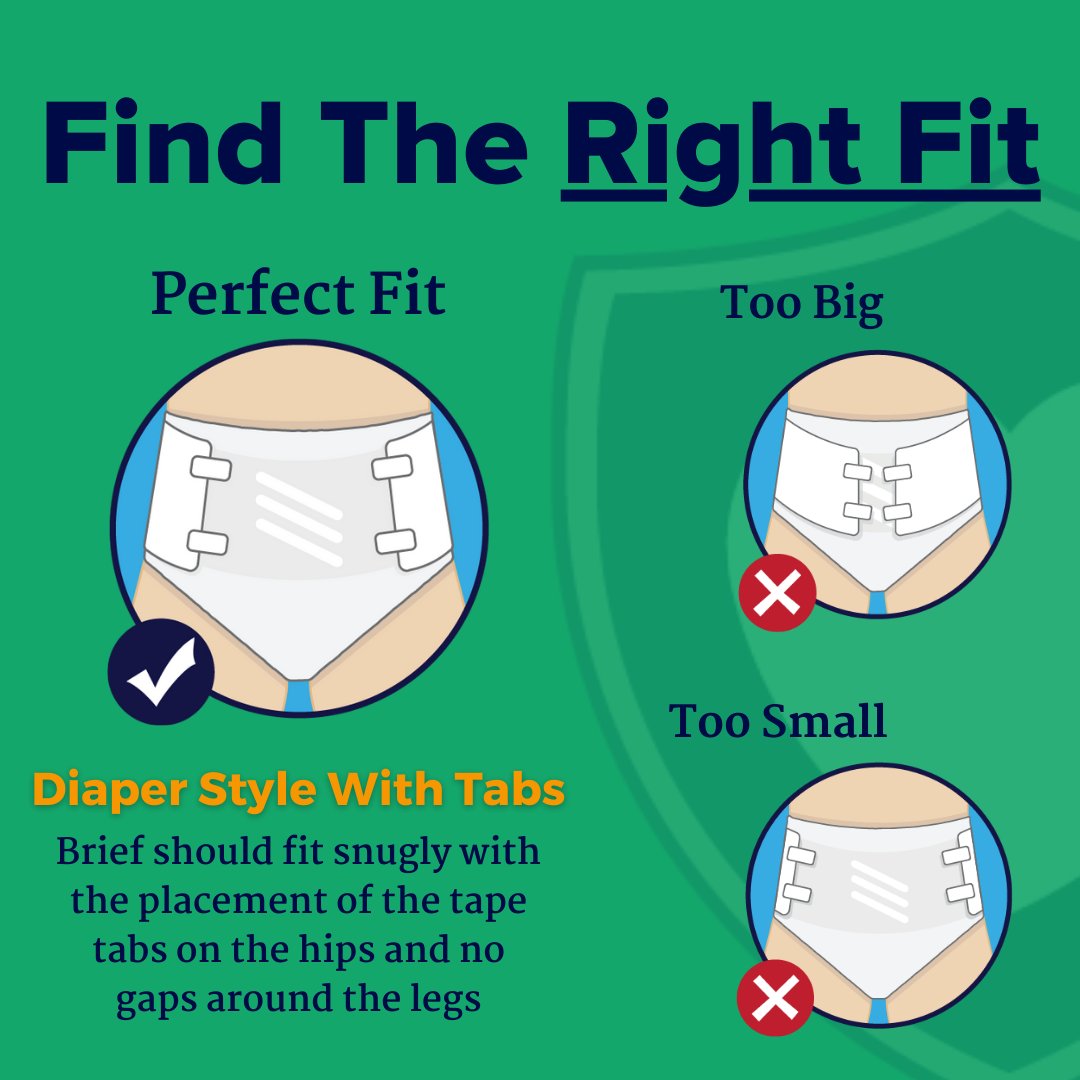
- You cannot slide two fingers under the waistband or leg cuffs. If it feels snug like a tight ring, it’s too tight.
- Your baby fusses, arches, or pulls at the front during changes or after feeds. Discomfort often shows as squirming or sudden cries when you adjust the tabs.
- Constant leaks or blowouts at the back or thighs. It sounds odd, but tight diapers leak more. Compression squeezes fluid out to the path of least resistance.
- Rash or shiny, irritated skin right where the elastic hits. Tight fit plus moisture is prime for irritant diaper dermatitis.
- The absorbent core looks “pinched” or hard even when only partly wet. That reduces absorption and wicking.
- Restricted movement. If kicks look tight or hips can’t open wide, loosen the fit or size up.
Practical tip: Ask yourself, “Would I wear pants that leave grooves?” If not, your baby shouldn’t either. When in doubt about How To Know When A Diaper Is Too Tight, loosen the tabs and check marks and movement again.

The Two-Finger And One-Hand Fit Test
Use this quick routine at every change. It takes less than 30 seconds and makes How To Know When A Diaper Is Too Tight crystal clear.
- Fasten the diaper. Center the tabs so both land on the landing zone evenly.
- Waistband test. Slide two fingers flat under the front waistband. It should feel snug but glide. If your fingers jam, it is too tight. If it gaps, adjust tighter.
- Leg seal test. Slide one finger under each leg cuff. You should feel a soft seal, not a tight ring.
- Flex test. Gently bring your baby’s knees toward the belly. The waistband should not dig.
- Wet check. After the first pee, repeat the two-finger test. Cores swell. A diaper that fit dry can turn tight when wet.
Pro tip: Run your finger around the leg elastics to “flip out” the leak guards. This avoids rolling in, which mimics a tight fit and causes leaks.

Size Guide And When To Move Up
Weight ranges on packages are a start, not a rule. Babies carry weight in different places. Some have slim waists and chunky thighs, or the reverse. Brand cuts vary too. That’s why How To Know When A Diaper Is Too Tight means reading your baby, not just the box.
Move up a size when you see any of these:
- Persistent red marks at the thighs or belly.
- Tabs pulled to the far edges or crossing over the belly button.
- Frequent leaks even after adjusting fit and changing often.
- You need to stretch the tabs hard just to close the diaper.
- Your two-finger test fails on a dry diaper.
Remember, you can use a larger size at night and regular size by day. Many families do this to handle extra wetting.

How To Put On A Diaper That Fits Right
A good fit starts with good steps. Here’s my simple method that works with disposable and cloth.
- Prep the area. Wipe clean, then pat dry. Let the skin air out for 30–60 seconds if you can.
- Barrier care. Apply a thin layer of zinc or petrolatum if skin looks pink or you expect long stretches.
- Place the back high. The back should sit at the natural waist, not low on the hips.
- Pull the front up flat. Smooth the front panel up and over the belly.
- Aim the tabs straight across. Don’t angle down. Center them evenly.
- Do the two-finger and leg seal tests. Adjust tab by tab until snug-not-tight.
- Check the back. The back waistband should sit at or slightly above the belly button line.
- Flip out the leg frills. This prevents roll-in and rubbing.
Tip: If you still wonder How To Know When A Diaper Is Too Tight after all this, look at the skin 10–15 minutes later. Lasting marks mean it was too tight.
Special Cases: Newborns, Chunky Thighs, Overnight, And Cloth
Newborns and the umbilical stump
Use newborn sizes with a belly notch or fold the front panel down. Keep the waistband below the stump. Your two-finger test still applies. If the diaper touches the stump, it is too high or too tight.
Chunky thighs, slim waist
Choose a brand known for stretch at the legs. Angle tabs slightly up to give the thighs space. This often solves How To Know When A Diaper Is Too Tight without changing the waist fit.
Overnight and heavy wetters
Go one size up at night, add a booster if the brand allows, and fasten with room to swell. Re-run the two-finger test after the first night feed.
Cloth diapers
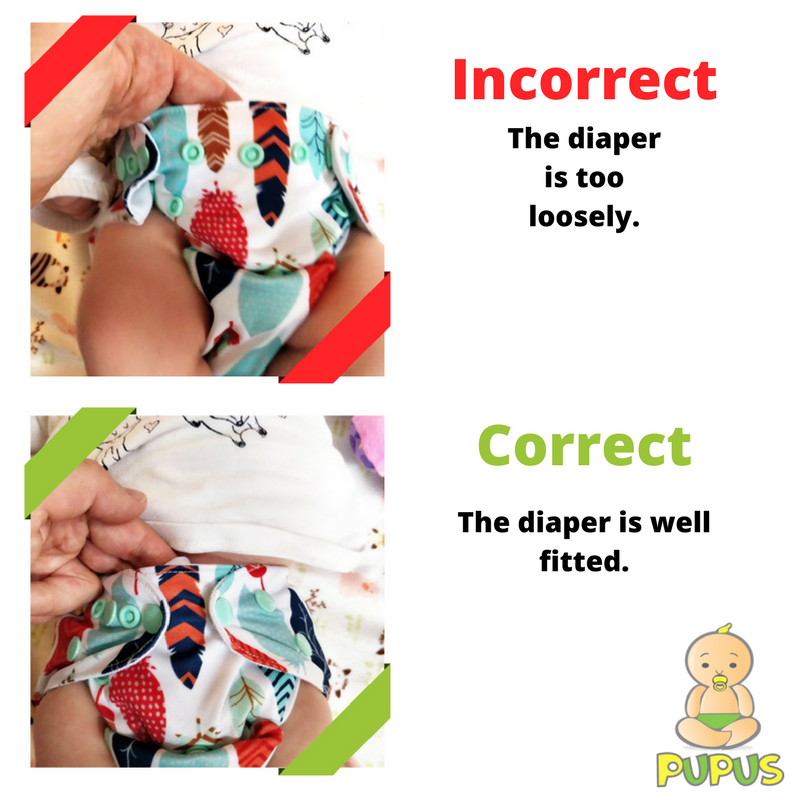
Fit varies with style. For pockets and AIOs, you still want two fingers at the waist and one at the thighs. If you see leg gaps, add rise snaps; if you see red dents, loosen the hip snaps. Microfiber compresses; natural fibers hold shape better and help avoid “tight-but-leaky.”
Does a tight diaper cause leaks? Yes. Compression pushes urine to the edges and out. Can a loose diaper leak? Also yes. You need that soft seal at the legs for best balance.

Troubleshooting Checklist
Use this quick list when you think the diaper might be too tight.
- Two-finger test fails at waist or legs.
- Red marks last more than 15 minutes.
- Leaks at thighs or blowouts up the back.
- Baby fussy right after changes.
- Tabs stretched to the limit or crossing.
- Rash where elastic touches the skin.
- Core looks pinched when wet.
If you check two or more, that’s How To Know When A Diaper Is Too Tight. Adjust the tabs, change the size, or try a different brand cut.

When Tight Diapers Can Cause Problems And What To Do
Most tight-fit issues are simple: ease pressure, size up, protect skin. But watch for warning signs. If redness turns bright, skin breaks, or swelling appears, give the skin a break. Use frequent changes, gentle cleaning, and a barrier ointment. If symptoms persist more than two days, call your pediatrician.
Evidence-based tips:
- Moisture and friction drive diaper rash. A snug-not-tight fit, plus a breathable barrier, reduces risk.
- Frequent changes help the skin recover. Aim for every 2–3 hours by day and after each poop.
- Avoid wipes with strong fragrance on irritated skin. Use water and soft cloth or gentle, unscented wipes.
- Yeast rashes may need specific care. See your clinician if a rash is bumpy, bright red, or has “satellite” spots.
Your baby’s comfort is your best guide. If something looks or feels off, loosen, resize, or switch brands. That is the core of How To Know When A Diaper Is Too Tight and fix it fast.
Frequently Asked Questions of How To Know When A Diaper Is Too Tight
How can I quickly tell if my baby’s diaper is too tight?
Try the two-finger test at the waist and one finger at each leg. If fingers don’t slide easily or you see deep marks, it’s too tight.
Do red marks always mean the diaper is too tight?
Light, brief lines can be normal. Deep, lasting grooves or shiny, irritated skin mean the diaper is too tight or the elastic is rubbing.
Can a tight diaper cause more leaks?
Yes. A tight diaper compresses the core, which can force pee toward the leg openings or back. Loosen to snug, or size up.
Should I size up at night even if daytime fits fine?
Often yes. Overnight diapers handle more volume, and a larger size allows for swelling without pressure. Re-test fit after the first wet.
What if my baby has chunky thighs but a slim waist?
Choose a brand with stretchier leg elastics and angle tabs upward. Keep the waist snug-not-tight while giving thighs more room.
How often should I re-check diaper fit as my baby grows?
Every week during growth spurts and whenever you notice leaks or marks. Babies change fast, and brands fit differently by size.
Can cloth diapers be too tight even with rise snaps set right?
Yes. Over-tight hip or waist snaps can still leave dents. Aim for two fingers at the waist and soft seals at the legs.
Conclusion
You now have a clear plan for How To Know When A Diaper Is Too Tight. Check for deep marks, run the two-finger test, watch movement, and track leaks. Adjust tabs, change sizes when needed, and protect the skin with gentle care.
Small tweaks make a big difference for comfort and sleep. Try the fit tests at your next change and note what improves. Want more baby-care guides like this? Subscribe for updates or leave a comment with your fit questions.