Use daily movement, smart food choices, heat or cold, and better sleep to calm joints.
You want simple, proven ways to feel better without pills. You’ll find them here. I’ve helped many people learn How To Reduce Joint Pain Without Medication using small changes that add up. We’ll blend science with real-life tips, so you can act today with clarity and confidence.
Understand What Drives Joint Pain
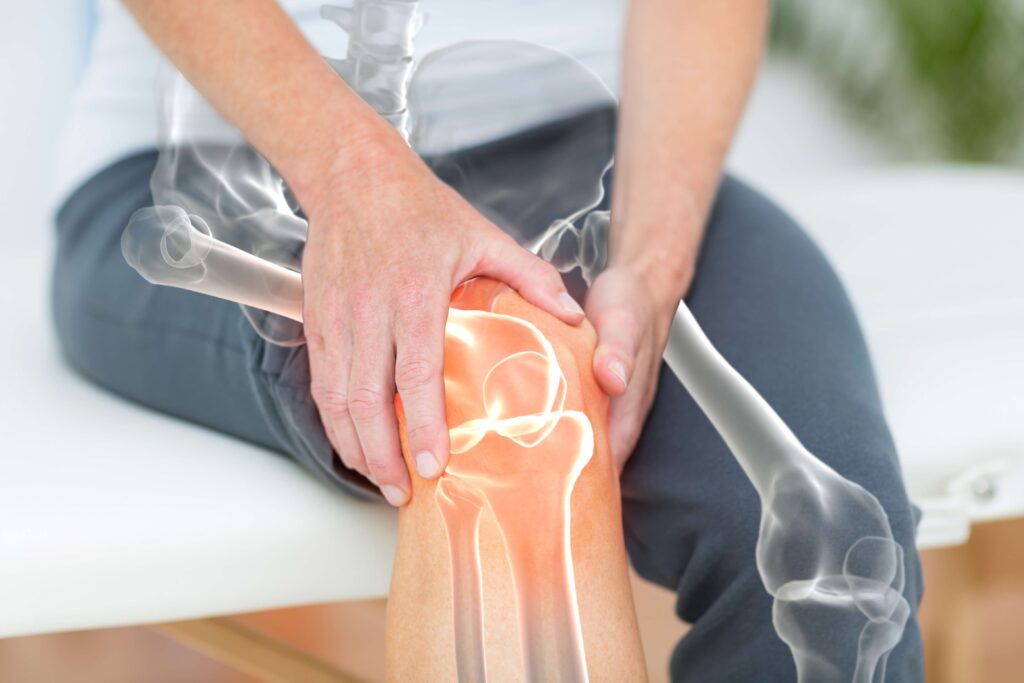
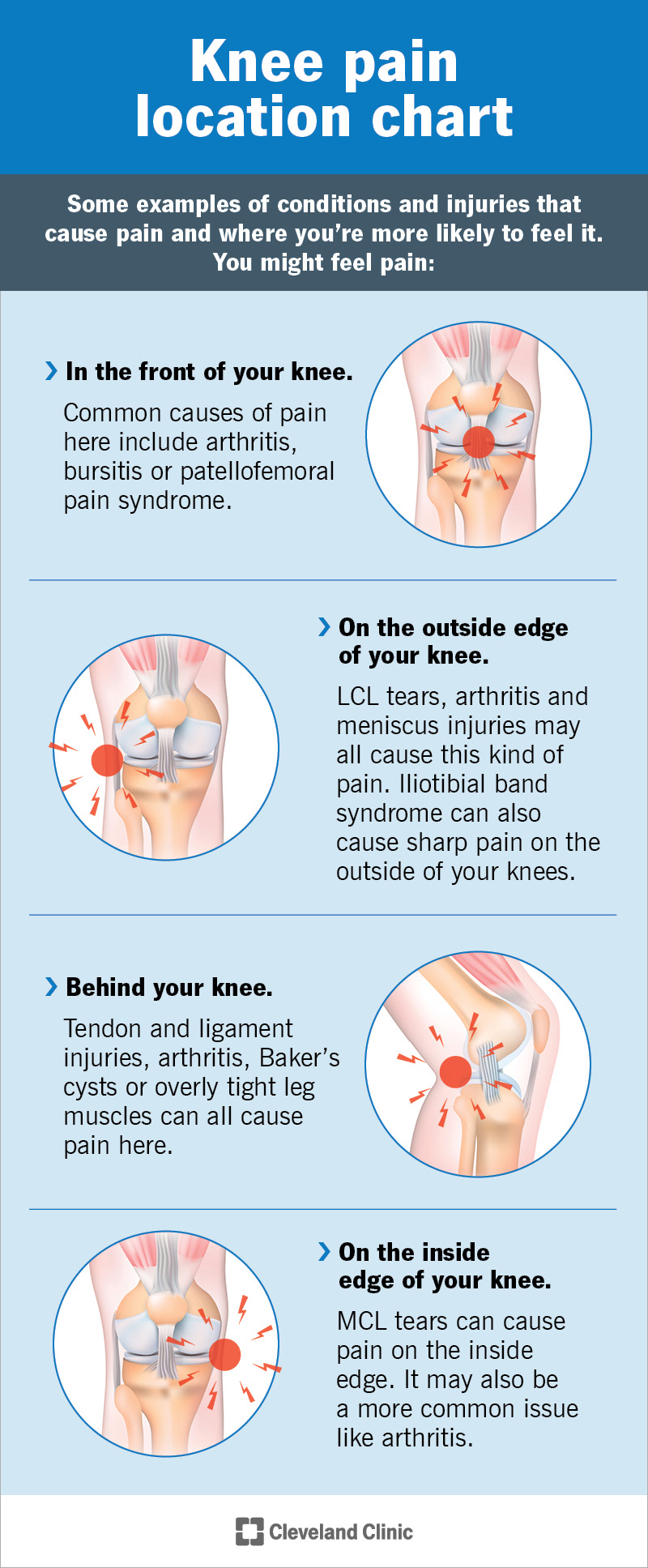
Joint pain comes from more than one cause. Common sources include wear on cartilage, tendon strain, muscle tightness, and swelling in the joint lining. Stress, poor sleep, and excess load can push mild aches into daily pain.
Knowing the cause guides your plan. Sharp pain after a twist may mean an injury. A dull ache that grows with long sitting often points to weak hips or tight quads. If you want to learn How To Reduce Joint Pain Without Medication, you must first match the fix to the cause.
I ask clients three questions: When does it hurt, what makes it better, and what makes it worse? The answers shape your next step. Track these patterns for two weeks to spot triggers you can control.

Move to Soothe: Exercise That Eases Pain
Motion tells your brain you are safe. It boosts joint fluid and feeds cartilage. It also calms the nerves that amplify pain. To start How To Reduce Joint Pain Without Medication, focus on gentle, steady steps.
Use these four pillars:
- Range-of-motion moves. Slow knee bends, ankle circles, wrist rolls, and hip openers.
- Low-impact cardio. Walking, cycling, swimming, or an elliptical for 20–30 minutes.
- Strength work. Two to three days a week for legs, hips, core, and back.
- Flexibility. Short, daily stretches after you warm up.
Try this simple set, 3 days a week:
- Sit-to-stands from a chair, 2 sets of 8–12.
- Step-ups to a low step, 2 sets of 8 each leg.
- Glute bridges, 2 sets of 10.
- Rows with a band, 2 sets of 10.
As a coach, I saw a runner with knee pain cut symptoms by half in six weeks. We raised step count by 1,000 per week, then added bridges and calf raises. The key was form, breath, and slow progress.
Reduce Inflammation with Smart Nutrition
Food can turn down the fire in your joints. Aim for whole, colorful plants, lean protein, and healthy fats. This pattern supports people who want How To Reduce Joint Pain Without Medication.
Build your plate:
- Half plants. Leafy greens, berries, tomatoes, peppers, and broccoli.
- A palm of protein. Fish, chicken, eggs, tofu, beans, or lentils.
- Healthy fats. Olive oil, nuts, seeds, and avocado.
- Spices that help. Turmeric with black pepper, ginger, and garlic.
What to limit:
- Ultra-processed snacks, refined sugar, and excess alcohol.
- Big doses of omega-6 seed oils in fried food.
Practical tips:
- Eat fish like salmon or sardines two times a week.
- Aim for 25–35 grams of fiber each day.
- Get enough vitamin D from safe sun or food, as low D links to more pain.
- Stay hydrated; joint fluid needs water.
Lighten the Load: Weight and Joint Stress
Extra body weight raises pressure on knees and hips. Each pound can add several pounds of force across the knee with each step. Small changes help a lot over time.
How To Reduce Joint Pain Without Medication often starts with tiny habits. You might add a daily 10-minute walk after dinner. You might build a plate with more plants so you feel full on fewer calories.
Try these steps:
- Eat from a smaller plate to guide portions.
- Swap one sugary drink for water each day.
- Add protein at breakfast to curb late snacking.
- Track steps and aim to raise by 500–1,000 per week.
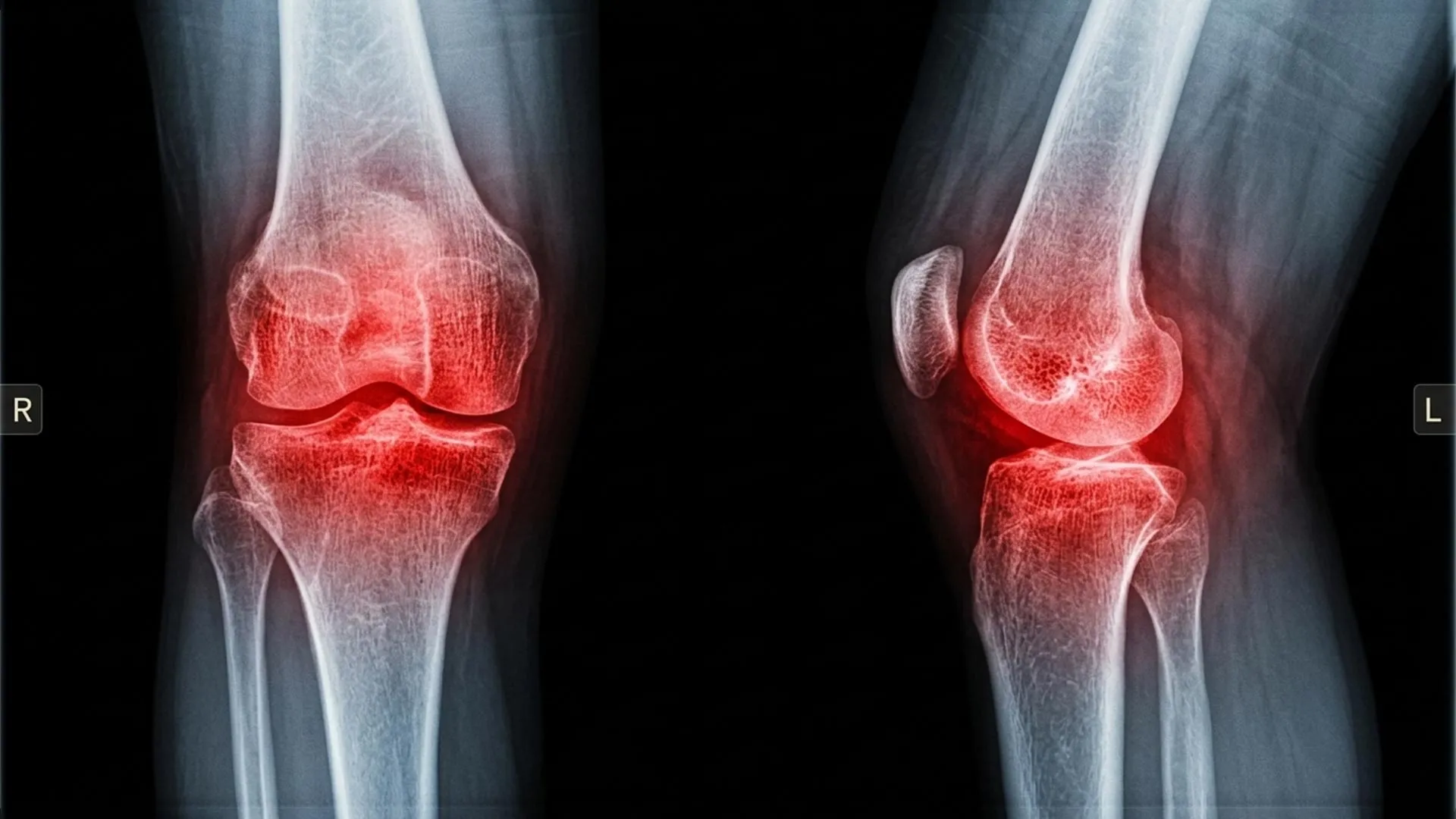
Hands-On Relief: Heat, Cold, and Manual Care
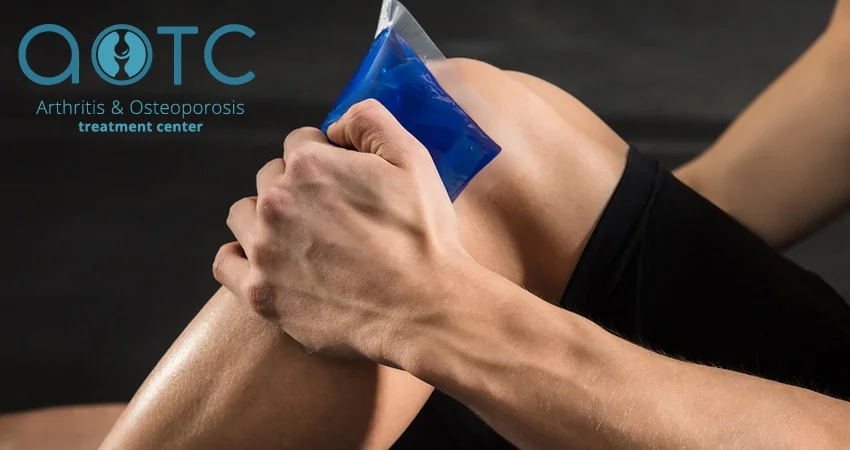
Heat relaxes tight muscles and boosts blood flow. Use a warm pack or shower for 10–15 minutes before activity. Cold helps calm swelling after you move or when the joint feels hot.
Here is a safe plan:
- Heat before you exercise or stretch.
- Cold after long walks or if you feel puffy.
- Try gentle massage or a foam roller on tight spots around the joint.
Some clients like topical creams with menthol or capsaicin. These can mute pain signals at the skin level. If you have nerve issues or poor feeling in the skin, be careful with extremes.
Sleep, Stress, and Your Pain Alarm
Poor sleep makes pain feel louder. Stress does the same. Calming your system is a core part of How To Reduce Joint Pain Without Medication.
Better sleep basics:
- Keep a fixed wake time, even on weekends.
- Cool, dark room with no screens one hour before bed.
- A wind-down cue, like a shower or a short stretch.
Stress tools that work:
- Box breathing: inhale 4, hold 4, exhale 4, hold 4 for 3 minutes.
- Mindful walks. Match steps to slow, deep breaths.
- A brief daily journal to note wins and worries.
I had a desk worker with neck pain log sleep and stress. After two weeks of small shifts, pain scores dropped even before we raised exercise load. The body heals when the alarm is not blaring.
Ergonomics and Daily Habits That Protect Joints
Little moves, done all day, beat a single hard workout. Set up your home and work zones to help you. This supports How To Reduce Joint Pain Without Medication without extra time.
Easy wins:
- Use a chair with lumbar support. Keep feet flat and hips level.
- Place the screen at eye height. Keep the mouse close.
- Take a 2-minute microbreak every 30–45 minutes.
- Wear cushioned shoes with a stable heel.
- Use both hands to lift and keep items close to your body.
Joint protection cues:
- Do not lock your knees or elbows when you stand.
- Spread work across big joints. Use your hips, not your back, to lift.
- Break heavy tasks into short blocks.
Complementary Therapies with Real-World Proof
Several non-drug tools have growing support. Acupuncture can help some people, especially with knee pain. Tai chi and yoga improve balance, strength, and calm.
Options to consider:
- Water exercise for low load on joints.
- TENS units can dull pain signals for short spells.
- Braces or sleeves may help with stability during activity.
I pair tai chi with strength work for older adults. We see fewer stumbles, better mood, and less fear of movement. This mix is a strong path for How To Reduce Joint Pain Without Medication.
Supplements: When Food Is Not Enough
Some supplements may help, yet results vary. Always check with a clinician if you take meds or have a condition. Use one at a time so you can judge the effect.
Common choices:
- Fish oil (EPA/DHA). Can reduce joint ache and morning stiffness.
- Curcumin. Works best with black pepper or a well-absorbed form.
- Glucosamine and chondroitin. Mixed data; some feel less knee pain after months.
- Boswellia. May lower swelling and improve function.
- Vitamin D if you are low, and magnesium for muscle ease.
Supplements support a plan. They do not replace movement, sleep, and smart food. For How To Reduce Joint Pain Without Medication, start with lifestyle, then add a trial.
A 4-Week Non-Drug Action Plan
Week 1: Track and prep
- Log pain times, sleep, steps, and meals for seven days.
- Do a daily 10-minute walk and 5-minute mobility.
- Set up your desk and choose a wake time.
Week 2: Build base
- Add strength moves twice this week.
- Eat a plant-rich lunch each day.
- Heat before, cold after your main activity.
Week 3: Add power
- Raise steps by 1,000 per day from your Week 1 average.
- Add a third strength day and 5 minutes of breath work at night.
- Try a water session or gentle yoga once.
Week 4: Fine-tune
- Test a supplement if you choose, one change at a time.
- Keep one rest day. Use a 0–10 pain scale to guide load.
- Review wins and set a 12-week goal.
Use this plan to lock in How To Reduce Joint Pain Without Medication as a daily skill. Keep changes small and steady.
Mistakes to Avoid and When to See a Clinician
Do not chase pain with hard workouts. Sharp, stabbing pain is a stop sign. Poor form and fast jumps in volume are common traps.
Red flags that need care:
- Big swelling, warmth, or redness in a joint.
- Fever, night pain, or sudden loss of function.
- A pop or fall with pain you cannot load.
A clinician can clear you for safe work and guide tests if needed. That support fits with How To Reduce Joint Pain Without Medication and keeps you on track.
Frequently Asked Questions of How To Reduce Joint Pain Without Medication
What is the fastest way to ease joint pain without pills?
Use heat before you move and cold after. Add gentle range-of-motion drills for 5–10 minutes.
Which exercise is best for joint pain?
Low-impact cardio like walking or swimming works well. Pair it with strength moves for hips, legs, and core.
Can food really lower joint pain?
Yes. A plant-forward diet with fish, olive oil, and spices like turmeric can help lower swelling. Cut ultra-processed foods and excess sugar.
How long until I feel better with a non-drug plan?
Many feel small gains in 2–4 weeks. Bigger changes often show by 8–12 weeks with steady habits.
Are braces or sleeves helpful?
They can add support and body awareness during activity. Use them as a tool, not a crutch, while you build strength.
Do I need supplements to reduce pain?
Not always. Start with sleep, stress, movement, and food; then test one supplement if needed.
Is it safe to exercise with joint pain?
Yes, if the pain is mild and eases as you warm up. Avoid moves that cause sharp pain, and progress slowly.
Conclusion
You can stack small levers to feel real relief. Move often, get strong, sleep well, and eat to calm the body. Use heat and cold, fix your setup, and add proven extras when needed.
Start today with one habit you can keep this week. Then add the next. If this guide on How To Reduce Joint Pain Without Medication helped you, subscribe for more simple, science-backed steps and share your progress in the comments.