Use a curl brush with controlled heat, steady tension, and sealing products to tame frizz.
If you want smooth, defined curls without fluff, you are in the right place. I’ll show you How To Reduce Hair Frizz With A Curl Brush using salon-tested steps, science-backed tips, and real-life lessons from the chair. You’ll learn the why and the how, so you can style fast, protect your hair, and keep shine all day.

Why frizz happens and how a curl brush fixes it
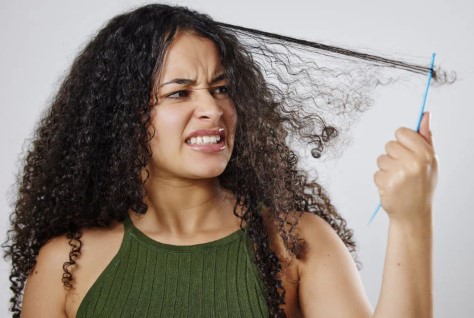
Frizz appears when the hair cuticle lifts and grabs moisture from the air. Humidity, heat damage, rough towels, and product overload all raise the cuticle. Porosity and curl pattern can make this worse.
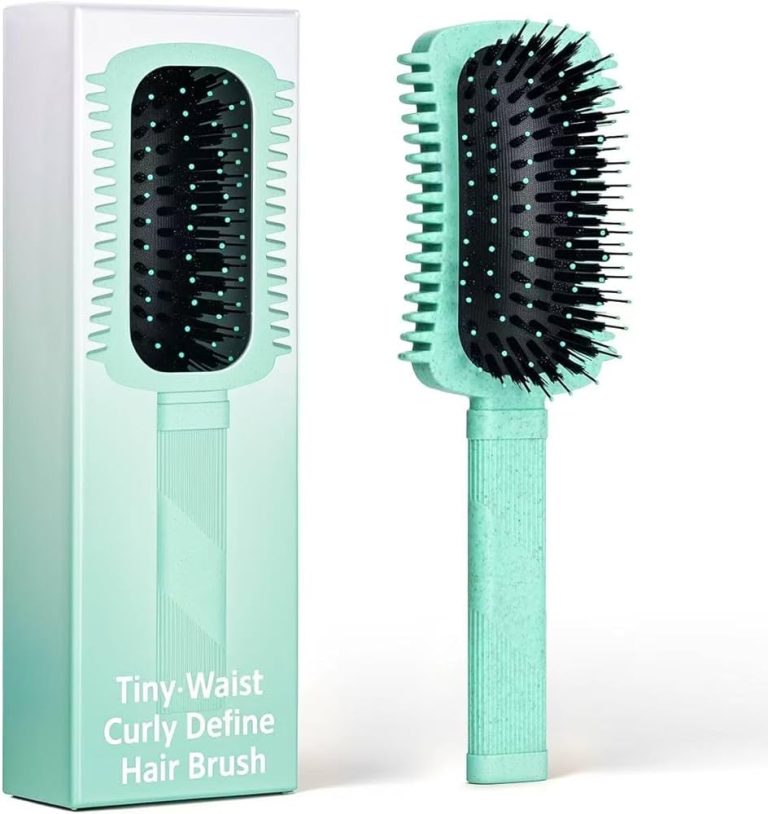
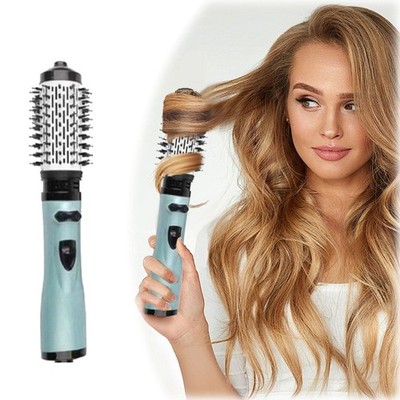
A curl brush helps by adding gentle heat plus even tension. This smooths the cuticle, aligns strands, and spreads natural oils for shine. Boar or mixed bristles reduce static. Ceramic barrels add even heat and a quick set. Used right, it is a small, daily version of a smooth blowout. This is the core of How To Reduce Hair Frizz With A Curl Brush.

Pick the right curl brush for your hair
The best tool is the one that matches your texture, length, and goals. Here is how to choose.
-
Bristle type
- Boar bristle adds shine and reduces static. Great for fine to medium hair.
- Mixed boar and nylon grips thick hair and adds control.
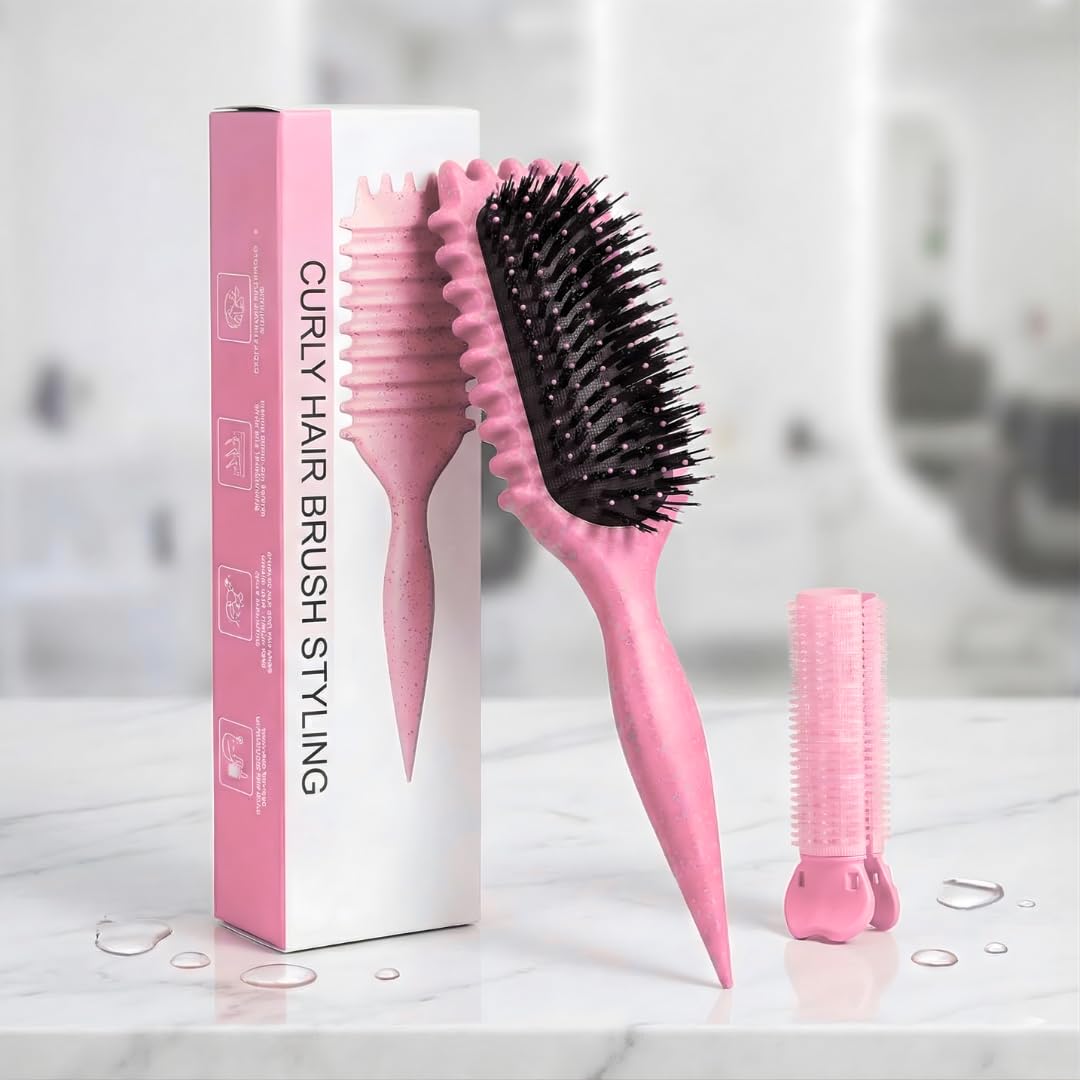
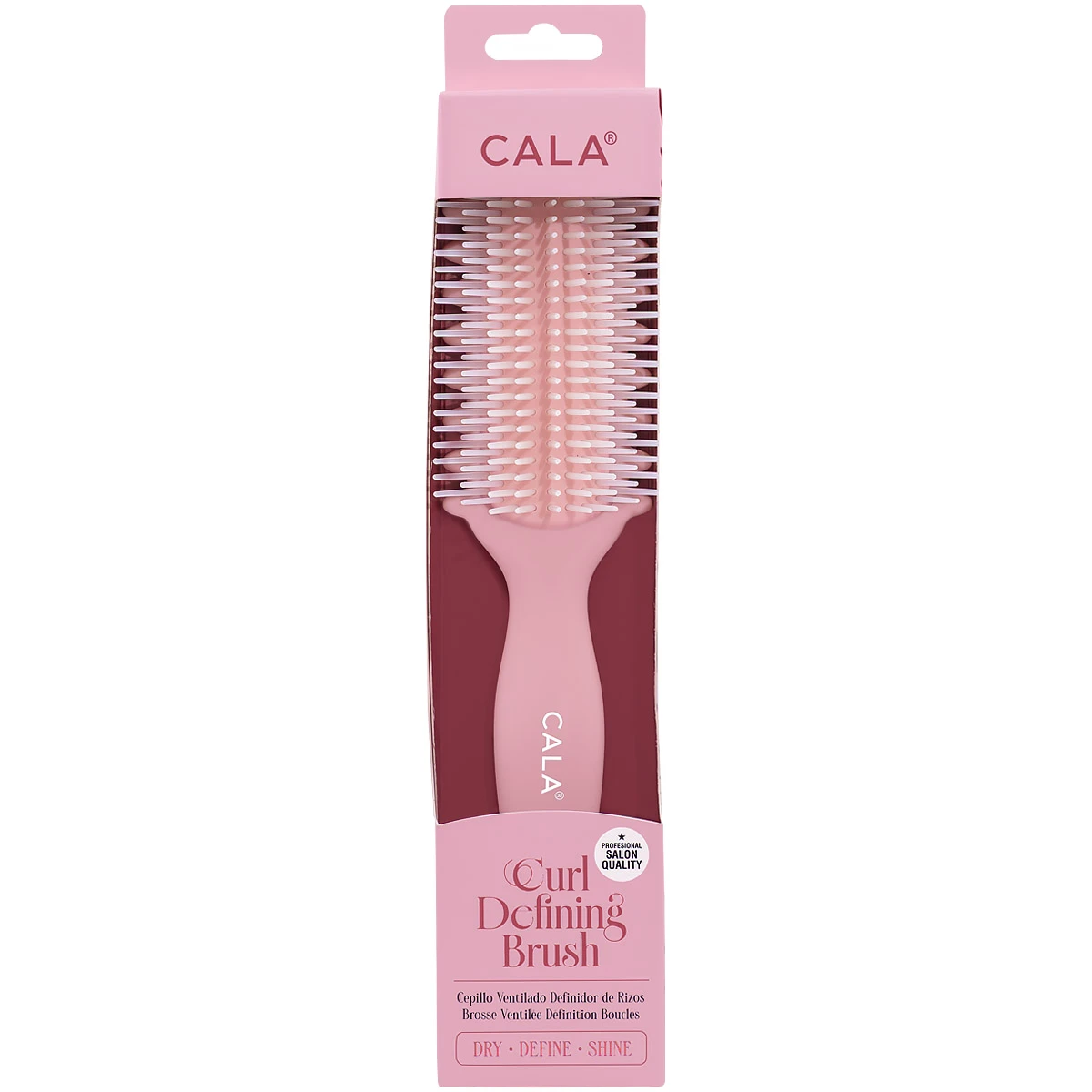
- Flexible nylon with rounded tips protects the scalp and avoids snags.
-
Barrel and shape
- Small round barrel, 1 to 1.25 inches, for short hair, bangs, and tight curves.
- Medium round, 1.5 to 1.75 inches, for medium hair and classic curls.
- Large round, 2 inches+, for long hair and loose bends.
- Vented ceramic barrels speed drying and smooth the cuticle.
-
Build quality
- A cool-tip protects your fingers.
- A non-slip handle helps keep steady tension.
- Even venting gives faster, safer drying.
Match by hair type:
- Fine wavy hair: mixed bristle, medium barrel, light tension.
- Thick curly hair: mixed or nylon bristles, vented ceramic, medium barrel.
- Fragile or high-porosity hair: softer bristles, lower heat, slow passes.
This choice makes or breaks How To Reduce Hair Frizz With A Curl Brush.

Prep your hair and tools for a frizz-free finish
Good prep is step one in How To Reduce Hair Frizz With A Curl Brush. Clean hair, the right slip, and heat protection all matter.
You will need:
- Microfiber towel or soft cotton T-shirt to blot water.
- Leave-in conditioner for slip and hydration.
- Heat protectant that guards to at least 410°F.
- Lightweight mousse or curl cream for hold.
- Anti-frizz serum or light oil to seal.
- Blow dryer with a concentrator nozzle, or an all-in-one hot brush.
- Sectioning clips.
Prep steps:
- Cleanse and condition. Rinse cool to help seal the cuticle.
- Blot, do not rub. Keep about 60% moisture in the hair.
- Layer products light to rich: leave-in, heat protectant, then hold.
- Comb with a wide-tooth comb to distribute product.
- Pre-dry on low to medium until hair is about 70% dry.
Safe heat guide:
- Fine or damaged hair: 275–320°F.
- Medium hair: 320–370°F.
- Thick or coarse hair: 370–410°F.

Step-by-step: How To Reduce Hair Frizz With A Curl Brush
Here is the salon method I teach clients. It is quick and gentle.
-
Section smart. Split hair ear to ear, then into small, even slices. Smaller sections mean smoother results.
-
Aim airflow. Point the nozzle down the hair shaft. This keeps the cuticle flat.
-
Load the brush. Place the brush under the section at the root. Lift for volume, then pull outward.
-
Keep steady tension. Move slowly from roots to ends. Let the bristles hold hair tight but not harsh.
-
Add a half-wrap. For more curl, wrap the mid-lengths around the barrel once. Hold for a few seconds.
-
Use the cool shot. Blast cool air while holding the shape. This sets shine and memory.
-
Unwrap with care. Turn the brush and glide out. Do not yank. Guide the curl into your palm.
-
Clip to set. For stubborn frizz, pin each curl while it cools. Release after a minute.
-
Seal the deal. Rub a pea-sized serum between your palms. Pat over the surface to lock in smoothness.
-
Repeat with patience. The secret to How To Reduce Hair Frizz With A Curl Brush is slow passes, even heat, and a cool set.

Techniques for different curl patterns and lengths
Different curls need different moves. Tailor your plan for less frizz and more bounce.
Wavy 2A–2C:
- Use a medium barrel and light mousse.
- Keep wraps short to avoid over-tightening waves.
- Focus on the top layer where halo frizz shows.
Curly 3A–3C:
- Use mixed bristles for grip.
- Work in smaller sections. Add a half-wrap at mid-lengths.
- Finish with a pea of gel or serum to seal.
Coily 4A–4C:
- Stretch first with a low-heat pre-dry and gentle tension.
- Use a smaller section and a firm nylon bristle.
- Set with cool air and a light butter or oil blend.
Short hair and bangs:
- Use a small barrel.
- Overdirect the roots for lift. Roll ends under or out to shape.
Long, thick hair:
- Use a large, vented ceramic barrel.
- Dry roots first. Then mid-lengths, then ends.
- Clip each finished curl to cool.
These tweaks keep the core of How To Reduce Hair Frizz With A Curl Brush the same, while fitting your hair’s needs.

Troubleshooting and common mistakes
When frizz creeps back, it is often due to small slips. Here is how to fix them fast.
- Brushing dry, naked hair: Add a mist of water and leave-in. Then restyle with low heat.
- Too much heat: Drop the temperature and slow your passes. Let the cool shot do the sealing.
- Wrong brush: Switch to mixed bristle for grip or softer bristle for fine hair.
- Skipping protectant: Always use heat protectant. It reduces breakage and flyaways.
- Rushing the set: Hold the shape and use cool air. This locks the cuticle.
- Product overload: If hair feels tacky, use less. A pea-sized serum is enough for most.
- Frizzy roots: Dry roots first with the nozzle down. That sets the base smooth.
Keep notes on what works. Small edits sharpen How To Reduce Hair Frizz With A Curl Brush over time.
Aftercare, humidity defense, and long-term frizz control
Smooth hair starts on wash day but lasts with smart care. Here is your plan.
Daily finish:
- Use a tiny drop of serum or light oil on dry hair.
- Mist an anti-humidity spray if the dew point is high.
Night routine:
- Sleep on a satin pillowcase.
- Pineapple curls or use a loose silk scrunchie.
- In the morning, revive with a light water and leave-in mist.
Wash-day rhythm:
- Clarify once every 1–2 weeks to remove buildup.
- Use a bond-building or protein mask if hair feels weak.
- Follow with a hydrating mask if hair feels dry or puffy.
Weather watch:
- In very humid weather, limit strong humectants near the surface.
- Seal with a light silicone or plant oil blend to block puff.
These habits amplify How To Reduce Hair Frizz With A Curl Brush and protect your results for days.
Real-world examples and pro tips
In the salon, I helped a client with thick 3B curls and halo frizz. We swapped her stiff nylon brush for a mixed bristle, dropped heat to 360°F, and added a cool set on each curl. Her styling time fell by 10 minutes, and shine held through a humid commute.
Pro tips you can use today:
- Keep hair 70% dry before brush work. Waterlogged hair frizzes later.
- Always point airflow from roots to ends. It is a mini cuticle press.
- Use a timer. Ten to fifteen seconds of shaping plus a cool shot is enough.
- Touch hair less as it cools. Hands can puff up the surface.
- If you sweat at the roots, blast only the roots with cool air to reset.
Make these small changes and How To Reduce Hair Frizz With A Curl Brush becomes easy, repeatable, and fast.
Frequently Asked Questions of How To Reduce Hair Frizz With A Curl Brush
Can a curl brush reduce frizz without heat?
Yes, but results are softer. Use a mixed bristle on damp hair, add leave-in, and let air dry with gentle shaping.
Is a ceramic barrel better for frizz control?
Often, yes. Ceramic spreads heat evenly and helps seal the cuticle, which cuts puff and flyaways.
How often should I use a curl brush?
Three to four times a week is fine with protectant. If hair feels dry, add a rest day and use a hydrating mask.
What products pair best with a curl brush for frizz?
Use a heat protectant, a light mousse or curl cream, and a small amount of serum. Keep layers thin so hair can move.
Will this work on coily hair?
Yes, with smaller sections, lower heat, and a longer cool set. Add a richer leave-in and seal with a light oil.
Can I use a curl brush on extensions?
Yes if they are heat-safe and high quality. Use low heat, avoid roots or bonds, and apply protectant.
Why does my hair frizz again after an hour?
Hair may be under-dried or not set. Dry fully, use the cool shot, and finish with a humidity shield.
Conclusion
Frizz control is a simple system: prep well, use steady tension, set with cool air, and seal. With the right brush and a few smart habits, you can smooth the cuticle, define curls, and keep shine all day.
Start with one change today. Pick the right brush, nail your section size, and use that cool shot. Want more guides like this on How To Reduce Hair Frizz With A Curl Brush and other smart hair routines? Subscribe, share your results, or drop a question so we can help you dial in your best hair.