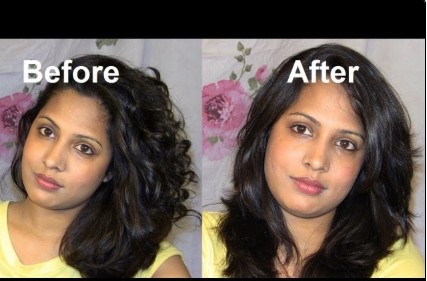
Use the right brush on wet hair, section, smooth, coil, and diffuse.
If you want bouncy, frizz-free curls, a brush can be your best friend. I have coached many clients through wash days, photo shoots, and humid summers. In this guide, I will show you How To Use Hair Brushes For Better Curl Definition with clear steps, pro tips, and real fixes that work in real life.

How To Use Hair Brushes For Better Curl Definition: What A Brush Can And Cannot Do
A brush shapes curl clumps. It smooths the cuticle. It lines up strands so light reflects and curls pop. It does not change your curl type. It will not fix damage on its own. But used well, it can reduce frizz and boost spring.
Key facts you should know:
- Water sets the shape. Work on wet hair for best curl clumps.
- Slip protects the strand. Use a creamy conditioner or a gel with slip.
- Tension creates ribbon curls. Gentle pull plus angle makes each curl coil.
- Direction changes volume. Brush up for lift. Brush down for sleeker roots.
- Less is more. Each section needs only a few, clean brush passes.
I learned this on set while styling a 3B model in heat and wind. The right brush angle saved the day. Her curls stayed defined for hours with a soft gel cast.
How To Use Hair Brushes For Better Curl Definition is about control. You control water, slip, tension, angle, and dry time. Those five choices decide your results.

Choosing The Right Brush For Your Curl Type: How To Use Hair Brushes For Better Curl Definition
Not all brushes are equal. Pick for your pattern, density, and goal.
Best match by need:
- Detangling on wet hair. Flexible paddle brush or wet detangler with wide, bendy pins.
- Defining curl clumps. Denman-style brush with staggered rows for tension and ribboning.
- Gentle smoothing only. Mixed bristle round brush for blowouts on stretched styles. Avoid on tight curls for definition.
- Vent brush for fast drying. Good for looser waves with a light gel.
By curl type:
- Wavy 2A–2C. Vented or flexible brush for light clumps. Denman with fewer rows to avoid stringy curls.
- Curly 3A–3C. Denman D3/D4 for ribboning. Wet detangler for quick slip.
- Coily 4A–4C. Wide-tooth comb for base detangle. Then a flexible detangler or Denman with rows removed for less tension.
Pro checks:
- Rounded pin tips to protect the scalp.
- Easy to clean body. Product build-up kills slip.
- Removable rows. Fewer rows make bigger clumps on fine hair.
I often remove two rows from a Denman for fine 3A curls. The clumps look fuller and last longer.

Prep Matters: Cleanse, Condition, And Load Slip
Healthy prep makes or breaks curl definition.
Do this on wash day:
- Cleanse the scalp well. Use a gentle shampoo. Focus on roots.
- Condition for slip. Comb through with fingers first.
- Keep hair soaking wet. Add water before you add product.
- Layer your stylers. Start with a leave-in, then a curl cream, then a gel.
- Respect porosity. High porosity needs richer cream and a stronger hold gel.
Useful cues:
- If your brush snags, add more water or conditioner.
- If curls look fluffy, you need more gel or a wetter canvas.
- If curls look stiff, use less product or a softer hold.
Studies show wet hair is more fragile. That is why slip is key. Water plus conditioner lowers friction and lowers break risk while you brush.

Step-By-Step: Brushing Techniques For Better Curl Definition
Here is the exact routine I teach in the salon.
Base setup:
- Work in small sections. Clip the rest up.
- Keep the section wet. Mist with water as you go.
- Add a small amount of gel to each section for grip.
Brush smoothing and ribboning:
- Place the brush at the roots.
- Brush down with steady tension.
- Turn your wrist slightly at the ends. The hair will ribbon off the brush.
- Catch the ribbon. Let it coil in your palm. Then let it fall.
Curl training for stubborn pieces:
- Brush the section out and away from the scalp.
- Spiral the ends with two fingers.
- Hold for three seconds. Release.
Elevate for volume:
- For flat roots, brush sections up at a 90-degree angle.
- Clip the root to cool for five minutes.
Clump control:
- If clumps are too thin, combine two ribbons with a finger coil.
- If clumps are too thick, split one ribbon into two with a light shake.
Repeat across the head. Do not overwork. Two to three passes per section is enough.
How To Use Hair Brushes For Better Curl Definition comes down to small wins. Wet hair, clean passes, tiny wrist turns, and timed release.
:max_bytes(150000):strip_icc()/byr-brushes-for-curly-hair-tout-73e58bc45c174d1f858d3989e610090a.jpg)
Drying And Setting Without Frizz
Set the shape you just made.
Good options:
- Micro-plop. Use a cotton T-shirt to blot only the water, not the shape.
- Diffuse on low heat and low airflow. Start at the roots. Dry to 80 to 90 percent.
- Air dry if you can. Try not to touch while drying.
- Break the cast. When fully dry, scrunch with a few drops of light oil to soften.
Pro tips:
- Use a cool shot at the end. It helps lock in shine.
- If ends frizz, glaze a pea-size gel over them while damp.
- Do not brush dry curls. Refresh with a mist, then re-brush small face-framing sections only.
How To Use Hair Brushes For Better Curl Definition sticks when you respect the set. Hands off until fully dry.

Routines By Curl Type And Hair Length
Wavy 2A–2C, medium length:
- Cleanse and condition.
- Apply light leave-in and light gel.
- Use a vented brush to sweep down and out. Ribbon only the front pieces.
- Diffuse for five minutes. Air dry the rest.
Curly 3A–3C, long:
- Cleanse and rich condition.
- Apply leave-in, curl cream, and strong hold gel.
- Use a Denman. Ribbon every section away from the face.
- Clip roots for lift. Diffuse to 90 percent.
Coily 4A–4C, short to medium:
- Cleanse the scalp well.
- Use a rich mask or leave-in for slip.
- Detangle with a wide-tooth comb. Then a flexible detangler to smooth.
- Brush small sections. Shingle with fingers if needed. Set under a hooded dryer.
These shortcuts show How To Use Hair Brushes For Better Curl Definition based on your pattern and length while saving time.

Common Mistakes And Easy Fixes
Stringy curls:
- Cause. Too much brushing or not enough product.
- Fix. Re-wet. Add more gel. Ribbon once and stop.
Frizz halo:
- Cause. Dry brushing or low slip.
- Fix. Work wet. Add leave-in. Use slow, steady passes.
Flat roots:
- Cause. All brushing aimed down.
- Fix. Brush up at the roots. Clip and diffuse.
Crunch with flakes:
- Cause. Product build-up or hard water.
- Fix. Clarify once every 2 to 4 weeks. Use less product per section.
Uneven curl pattern:
- Cause. Random angles.
- Fix. Keep a map. Brush all front pieces away from the face. Brush crown pieces up.
How To Use Hair Brushes For Better Curl Definition is also about what not to do. Stop when the clump forms. Let the gel do the rest.

Product Pairings That Boost Brush Results
You can get great curls with simple tools. Pair products with intent.
What to try:
- Leave-in with slip. Look for coconut-free if you get buildup. Or choose aloe-based if you want light moisture.
- Curl cream for moisture. Shea or cupuaçu butter helps in dry air.
- Gel for hold. PVP, flaxseed, or xanthan give cast that brushes love.
- Humidity helper. Anti-humectant in very humid weather. Glycerin-rich gel in dry air.
- Heat protectant for diffusing. A light spray shields from heat stress.
Glazing tip:
- Rub a pea-size gel between palms.
- Smooth over each clump after brushing.
- Do not rake. Glide and pat.
How To Use Hair Brushes For Better Curl Definition improves when your gel forms a clean cast. The cast protects the curve until dry.

Brush Care, Hygiene, And When To Replace
Clean tools give clean curls.
Do this monthly:
- Remove hair from pins.
- Soak the brush base in warm water with a bit of shampoo.
- Use a toothbrush to scrub product from rows and pins.
- Rinse well. Air dry with pins down.
Replace your brush if:
- Pins are bent or rough.
- The pad is split.
- Rows will not sit tight.
A clean brush glides better. It also keeps your scalp healthy.
Night Routine And Next-Day Refresh
Protect the shape while you sleep.
At night:
- Pineapple your hair with a soft scrunchie.
- Sleep on a silk or satin pillowcase.
- Wear a bonnet if your curls tangle.
Morning refresh:
- Mist water on frizzy spots.
- Add a pea-size leave-in.
- Re-brush only small front sections to re-ribbon.
- Diffuse for two minutes or let air dry.
This is the easy way to repeat How To Use Hair Brushes For Better Curl Definition without a full wash.
Frequently Asked Questions Of How To Use Hair Brushes For Better Curl Definition
Can I use a brush on dry curls?
You can, but expect frizz. For definition, add water or a mist, add slip, then brush small sections.
How often should I brush curly hair?
Brush on wash days when hair is wet and has slip. Refresh with light brushing only on damp sections as needed.
Which is better for curl definition, comb or brush?
A brush makes smoother clumps due to tension. A wide-tooth comb is great for gentle detangling before brush styling.
Does the number of Denman rows matter?
Yes. Fewer rows make bigger, softer clumps. More rows add tension and tighter ribbons.
Why do my curls look stringy after brushing?
They are overworked or under-styled. Re-wet, add more gel, ribbon once, and stop touching while drying.
Can I get volume and definition at the same time?
Yes. Brush up at the roots for lift and ribbon mid-lengths to ends for shape. Diffuse on low and use a cool shot.
Conclusion
A brush can turn waves and curls from fuzzy to defined with a few smart moves. Work on wet hair, load slip, brush with purpose, then set the shape without touching. Small choices make big changes.
Start with one technique this week. Map your brush angles, glaze with gel, and diffuse on low. Share your results, subscribe for more curl tips, and ask a question in the comments so I can help you fine-tune your routine.