Brush curly hair when damp, add slip, detangle in sections from ends up.
Curly hair is gorgeous, but it can be fragile. I’ve spent years helping clients master How To Brush Curly Hair Without Damaging It. This guide shares the exact steps, tools, and tricks that keep curls defined, soft, and strong. If you want less breakage, fewer knots, and more shine, keep reading.
Why Brushing Curly Hair Is Tricky
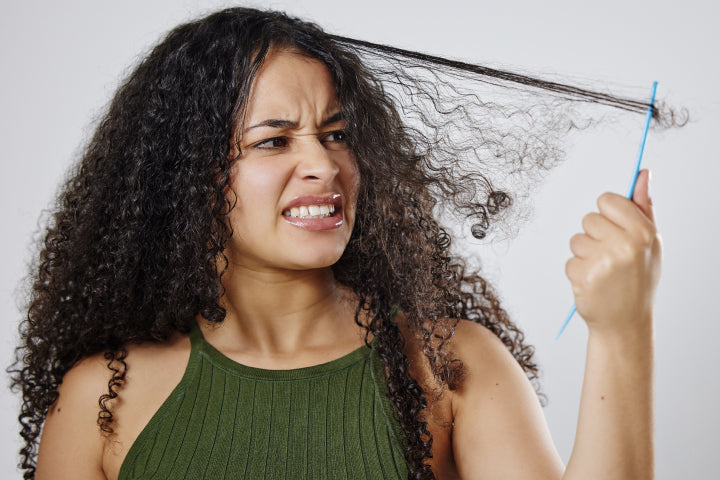
Curly strands twist and coil. Each bend lifts the outer cuticle a little. That raised cuticle can catch on other hairs and form knots. Tension on a dry curl can snap it fast.
Water, conditioner, and slip smooth the cuticle. Slip lets hairs glide past each other. With the right base and soft hands, brushing can shape curls, not destroy them.
Hair porosity matters too. High-porosity curls drink water fast and lose it fast. Low-porosity curls need time and warmth for product to sink in. Know this, and you can choose products that help the brush move with ease.

The Right Tools That Protect Curls
Using the right tool is half the job. The wrong one will rip through curls.
- Wide-tooth comb for first pass. It works through big knots with less pull.
- Flexible detangling brush with staggered bristles. It bends with the curl and reduces snag.
- Denman-style brush to define clumps after detangling. Use with slip and light tension.
- Soft boar-and-nylon mix for scalp only. It moves oils on the scalp, not through tight curls.
- Sectioning clips to keep parts neat and stress low.
- Microfiber towel or cotton tee to blot water without frizz.
Skip metal bristles, fine-tooth combs, and stiff vent brushes. Clean tools often. Residue causes drag and snags.

Prep First: Moisture, Slip, and Sections
Prepping saves hair. It also saves time.
- Start on damp hair. Use a fine mist or detangle in the shower.
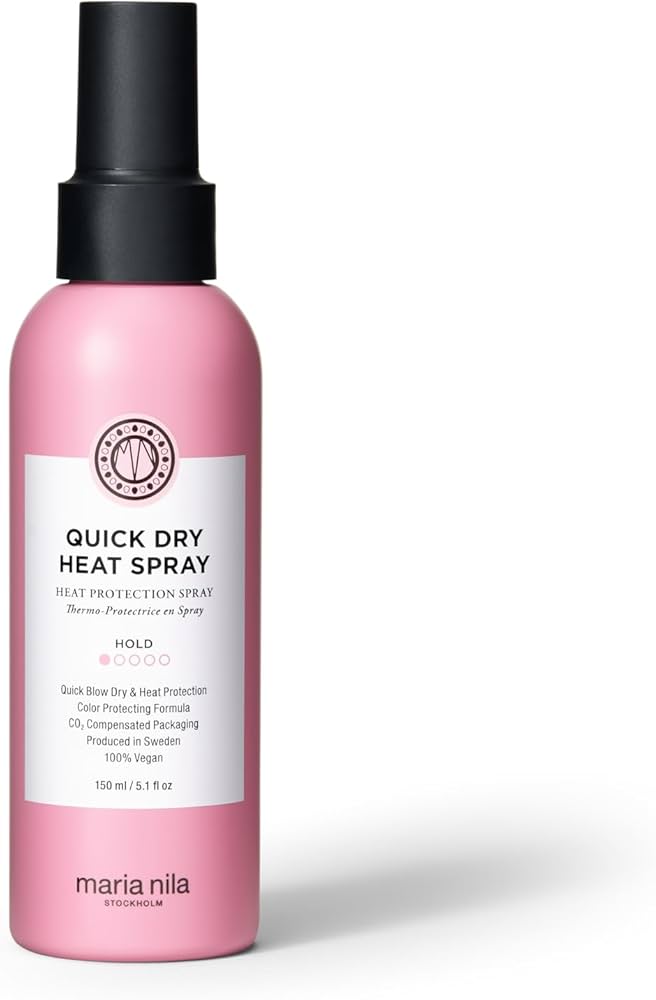
- Add slip. Coat strands with a rinse-out conditioner or a rich leave-in.
- Boost slip for tight coils. Mix a detangler with a few drops of light oil.
- Work in sections. Four to eight sections prevent tugging. Clip each part.
- Finger-detangle first. Feel and loosen the worst knots by hand.
If hair is very dry, try a pre-poo. Apply conditioner or oil before wash day. Let it sit 20–30 minutes. This softens shed hairs stuck in coils.

How To Brush Curly Hair Without Damaging It: Step-by-Step
Here is the exact method I use on clients and on my own curls.
- Dampen your first section. Hair should be wet or at least very damp.
- Add a palm of conditioner or a detangling product. You want real slip.
- Hold the section mid-shaft to control tension. This protects the root.
- Start at the ends. Make short, gentle strokes. Release only a few tangles at a time.
- Move up slowly. Work from ends to mid-lengths, then to the roots.
- Re-wet and re-apply slip if you feel drag. Never force the brush.
- Use your fingers to tease out a stubborn knot. Then brush again.
- Once smooth, switch to a defining brush if you want curl clumps.
- Twist or clip the finished section. Do not let it tangle again.
- Repeat on all sections. Rinse out if needed or leave in for moisture.
- Scrunch to set curls. Air dry or diffuse on low heat and low speed.
Tip: If the brush squeaks or you hear snapping, stop. Add more water and product. Ease up on your grip.

Adjust Your Method by Curl Type and Texture
Every curl pattern loves a custom plan. Here is a simple guide I use behind the chair.
- Wavy hair (2A–2C). Use a light, slippery conditioner. Detangle when wet. Over-brushing can kill waves, so switch to finger-combing on refresh days.
- Curly hair (3A–3C). Brush only on wet hair with slip. Define with a Denman-style brush. Detangle 1–3 times per week.
- Coily and kinky hair (4A–4C). Detangle in small sections on soaking wet hair. Use rich conditioner or a melt-in detangler. A flexible detangling brush shines here. Detangle once a week or less.
Texture matters as much as pattern.
- Fine strands break fast. Use very light tension and smaller sections.
- Medium strands need steady, even strokes. Keep slip high.
- Coarse strands can handle more pressure. Still go slow to protect the cuticle.

Common Mistakes To Avoid (And Better Swaps)
These simple swaps can save hundreds of hairs per week.
- Brushing dry curls. Swap: Always brush damp with slip.
- Rushing through knots. Swap: Hold mid-lengths. Work ends first.
- Using the wrong tool. Swap: Pick a wide-tooth comb or a flexible detangler.
- Skipping sections. Swap: Clip hair into parts. Finish one at a time.
- Using too little product. Swap: Add more water and conditioner until it glides.
- Brushing under hard water stream. Swap: Detangle with the water off or at gentle flow.
- Not cleaning tools. Swap: Wash brushes weekly to remove buildup.
:max_bytes(150000):strip_icc()/Best-Detangling-Brushes-Byrdie-Tout-471910b18e174287bcc32cef728bdb78.jpg)
A Simple Daily and Weekly Routine
A steady routine keeps curls smooth and strong.
-
Wash day
- Pre-poo if very tangled.
- Cleanse scalp. Do not rough up curls.
- Saturate with conditioner. Detangle in sections.
- Rinse. Apply leave-in and gel or cream. Define and dry.
-
Refresh days
- Mist with water. Add a little leave-in on ends.
- Gently finger-detangle small knots.
- If needed, use a few strokes of a detangling brush on damp areas.
-
Night care
- Sleep on a satin pillowcase.
- Pineapple or use a satin bonnet to reduce friction.
-
Weekly or biweekly
- Clarify if hair feels coated. Follow with a deep conditioner.
Product Guide: Ingredients That Help And Ones To Limit
Look for ingredients that boost slip and support strength.
-
Helpful
- Fatty alcohols like cetyl or cetearyl alcohol for slip.
- Conditioners like behentrimonium methosulfate.
- Humectants like glycerin or propanediol, used with care by climate.
- Proteins like silk or wheat in small doses for strength.
- Light oils like argan or grapeseed on ends.
-
Use less or with care
- Drying alcohols in stylers if hair is brittle.
- Heavy waxes and thick butters if they cause buildup.
- Strong sulfates if hair is very dry. Use only when clarifying, then deep condition.
Patch-test new products. Start small and see how your curls respond.
Troubleshooting Tangles, Shedding, and Breakage
Knots happen. Here is how I fix them in the salon and at home.
- Bird’s nest tangles. Soak with warm water and loads of conditioner. Massage in more slip. Work in tiny strokes with the brush and your fingers.
- Single-strand knots. Add a drop of oil and gently pull the loop open. If it will not budge, snip the knot with hair shears only.
- Excess shedding. A shed hair has a white bulb at the root. This is normal. If you see short broken hairs without bulbs, lower tension and add more slip.
- Repeat breakage in one spot. Check for tight ponytails, rough collars, or hat friction. Protect ends and trim when needed.
Frequently Asked Questions
How often should I brush curly hair?
Most curls do best with brushing only on wash days or one to three times per week. On off days, refresh with water and finger-detangle small knots.
Can I brush curly hair when it is dry?
It is safer to avoid dry brushing. If you must, mist well and add a little leave-in to create slip first.
What is the best brush for curly hair?
A flexible detangling brush or a wide-tooth comb is best. They bend with the curl and reduce snag and breakage.
Should I detangle before or after shampoo?
Detangle with conditioner in your hair for max slip. If hair is very matted, pre-poo before shampoo and finish detangling during conditioning.
How do I stop frizz after brushing?
Keep hair wet while brushing, use enough slip, and define curl clumps after detangling. Finish with gel or cream and avoid touching while it dries.
Do kids’ curls need a different method?
Use the same steps but smaller sections and extra patience. Choose very gentle tools and make it a calm routine to reduce tears.
Will brushing ruin my curl pattern?
Brushing on dry hair can stretch curls. Brushing on wet hair with slip and setting with product will keep or even enhance your pattern.
Conclusion
You now know How To Brush Curly Hair Without Damaging It: start damp, add slip, work in sections, and move from ends to roots with care. Choose the right tool, keep tension low, and set your curls when you are done.
Try this method on your next wash day. Track how long detangling takes and how much hair you shed. Adjust your product and tools until the brush glides. Want more tips on curls that last all week? Subscribe, share this guide with a curl friend, or drop your questions in the comments.