Use sturdy totes, backpacks, carts, and smart packing to move heavy loads.
If you want real-world advice on How To Carry Heavy Groceries Without Plastic Bags, you are in the right place. I shop on foot, by bike, and on transit, and I have tested many setups. This guide blends street experience with simple science so you can carry more, waste less, and protect your back.

Why Ditch Plastic For Heavy Loads
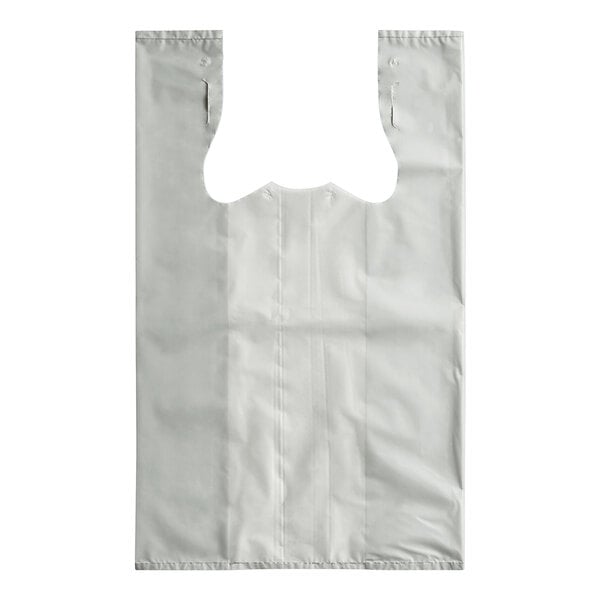
Plastic bags slip, dig into fingers, and tear when weight shifts. Heavy items like milk, jars, and cans punch through thin film. That risk grows in rain or cold when plastic turns brittle.
There is a planet payoff too. Fewer plastic bags mean less litter, fewer microplastics, and cleaner waterways. Reusables last for years and spread the load well, which is key to How To Carry Heavy Groceries Without Plastic Bags.
Research on reuse shows simple changes can cut waste and strain. Safer gear also lowers injury risk. That keeps you moving and your food intact.
Essential Gear That Beats Plastic Bags
This is the toolkit that makes How To Carry Heavy Groceries Without Plastic Bags easy and safe. Mix and match based on distance, weather, and how you travel.
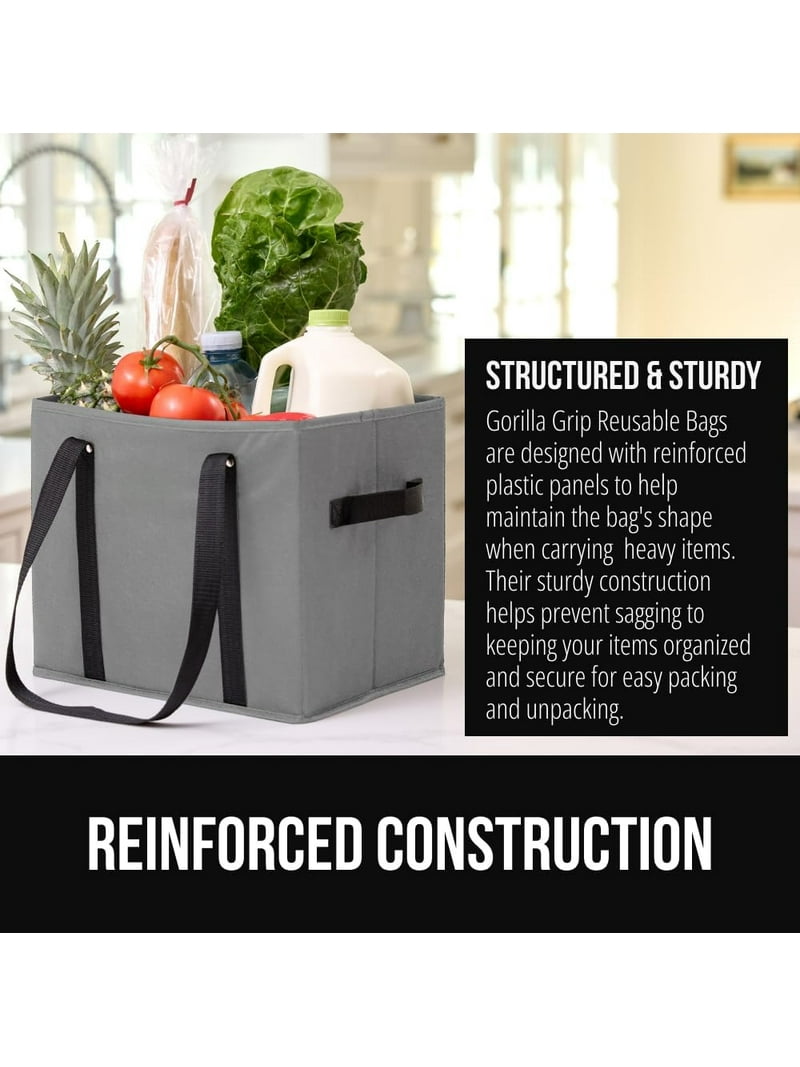
- Heavy-duty tote with a firm base. Choose canvas, waxed canvas, jute, or thick polypropylene. Look for boxy shape, bound seams, and padded handles. Many carry 20 to 40 pounds with ease.
- Backpack with a hip belt. A 20 to 35 liter pack spreads weight over shoulders and hips. Adults stay comfy at about 10 to 15% of body weight for most trips.
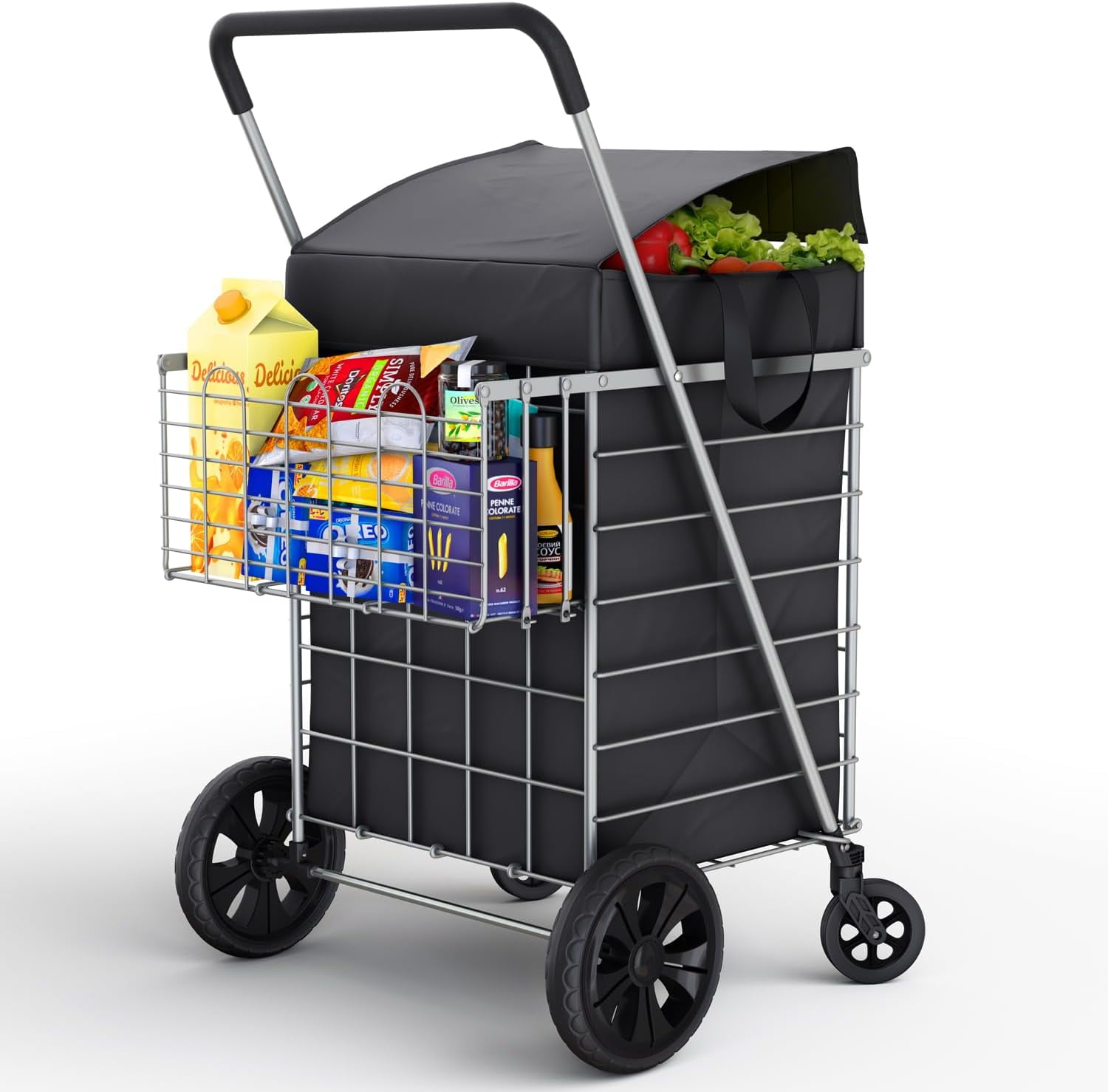
- Folding hand cart or wagon. A two-wheel cart handles 50 to 100 pounds. It saves your back on long blocks or sloped streets.
- Collapsible crate. Hard sides protect eggs and jars. Crates stack in a trunk and keep bottles upright.
- Basket with a strong handle. A market basket keeps weight centered and easy to set down.
- Straps and clips. Use short bungee cords, Voile-style straps, or carabiners to lock loads in place.
- Grip and glove helpers. A simple pair of work gloves stops handle bite and helps with cold cans.
If you are learning How To Carry Heavy Groceries Without Plastic Bags, start with one tough tote plus a mid-size backpack. Add a cart later for big trips.

Packing Strategy For Heavy Groceries
Pack like you are building a small house. Strong base. Solid walls. Fragile roof. This is the heart of How To Carry Heavy Groceries Without Plastic Bags.
- Sort by weight and fragility. Heavy low, fragile high. Wet and raw foods in sealed liners.
- Build a base. Lay boxes, cans, and milk at the bottom. Keep sides flat to stop bulging.
- Use pillars. Stand jars and bottles upright along the edges. They brace the bag.
- Keep lids up and tight. Twist check. Add a rubber band around loose caps.
- Make a crush-free top. Bread, herbs, berries, and chips ride last.
- Control leaks. Use a large zip bag for raw meat or thawing items.
- Balance left and right. Split liquids across bags to protect joints.
Step-by-step method I use on big hauls:
- Line the tote with a thin crate or a cut piece of cardboard.
- Load milk and cans first, caps up, tight to the corners.
- Add boxed goods and produce that can take weight, like potatoes.
- Place jars along the sides. Pad with a towel or a folded T-shirt.
- Top with eggs, tomatoes, berries, and bread.
- Close with a strap so the load cannot sway.
- Put extra weight in the backpack to keep hands free.
This plan is simple, fast, and repeatable. It solves How To Carry Heavy Groceries Without Plastic Bags on any route.
Safe Carrying Techniques And Body Mechanics
Good form saves your back. It also stops slips and spills. When you focus on posture, How To Carry Heavy Groceries Without Plastic Bags gets much easier.
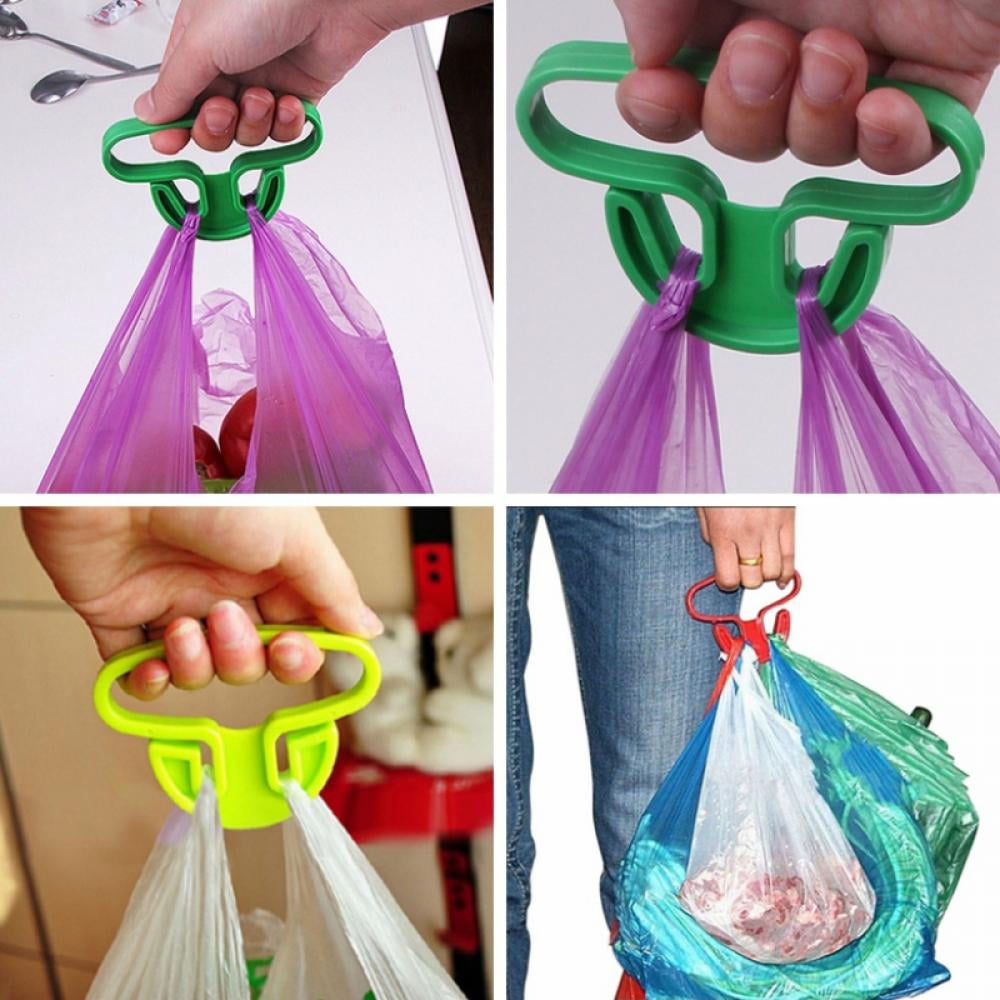
- Lift with legs. Keep the bag close, bend knees, and stand tall.
- Hold a neutral spine. Chest up, shoulders back and down, eyes forward.
- Share the load. Two medium bags beat one huge bag.
- Use the 70/30 rule. Aim for 70% of weight on hips with a backpack, 30% on shoulders.
- Take short strides. A steady pace keeps liquids and jars stable.
- Rest often. Set bags down before hands go numb or form slips.
If your fingers hurt, change grip or add gloves. If your back tugs, split the bag or use a cart. Listen early to small pain and you will avoid big pain later.

Commuting Methods: Walk, Transit, Bike, Or Car
Your route shapes your setup. The right choice here makes How To Carry Heavy Groceries Without Plastic Bags smooth from store to door.
- Walking. Wear a backpack and carry one tote on the stronger side. Swap sides every block. Use a folding cart for hills or long blocks.
- Public transit. Travel off-peak if you can. Keep load compact and stable so it does not roll on the bus or train. Use a crate inside a tote to keep shape.
- Biking. Panniers on a rear rack are king. A pair of 20 to 25 liter panniers fits a week of staples. Secure with straps and keep weight low and even. Check your rack rating and tire pressure.
- Rideshare or car. Keep a trunk kit with two crates, a non-slip mat, and two straps. Crates stop roll and protect glass.
Every choice here supports the goal of How To Carry Heavy Groceries Without Plastic Bags while staying safe and kind to your joints.
Weather-Proofing And Leak Control
Rain and leaks kill bags and food. Plan for both. Good liners and covers support How To Carry Heavy Groceries Without Plastic Bags in any season.
- Use bag liners. A thin dry bag or contractor-style liner keeps water out and mess in.
- Add a pack rain cover. A small cover weighs little and saves a whole trip.
- Carry a towel and a spare bag. One towel pads jars and soaks up drips.
- Chill smart. Keep cold food under 40°F with an insulated bag and ice packs.
- Seal liquids. Tighten caps, then add a rubber band around the lid for friction.
This small kit lives in my backpack all year. It takes almost no space and solves the biggest carry fails I see.

Smart Shopping Plan To Cut The Load
How To Carry Heavy Groceries Without Plastic Bags starts before you leave home. A smart plan trims weight and stress.
- Batch heavy items. Buy milk, flour, and cans on a cart day, not a walk day.
- Pre-order and pick up. It reduces time in store and lets you pack curbside.
- Map the store. Hit heaviest aisles last so they sit on the bottom while you pack.
- Ask for boxes. A wine or banana box gives you built-in structure.
- Use refills. Refill stations for soap and grains cut bulky packaging.
I like to cap walking trips at 30 pounds total. On transit days I aim lower. On cart days, I load up and make one big run.
DIY And On-The-Spot Solutions
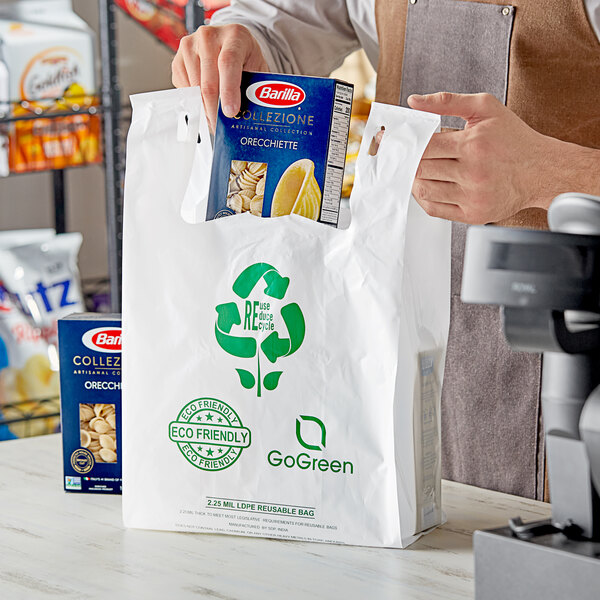
You forgot your tote. It happens. You can still win the day and keep to How To Carry Heavy Groceries Without Plastic Bags with a few hacks.
- T-shirt knot bag. Tie the hem shut, cut the neck for a wide opening, and use the sleeves as handles.
- Sheet or scarf bundle. Place items center, fold corners over, and tie two square knots. The bundle rides on a shoulder well.
- Belt handle. Loop a belt through a box hand hole to make a soft carry strap.
- Suitcase with wheels. A small roller bag or duffel on wheels moves weight with little effort.
- Cardboard dividers. Grab a wine box divider to protect jars and bottles inside any bag.
These tricks are fast and free. They have saved me on surprise shop days more than once.
Real-World Setups I Use And What I Learned
Here are kits I use each week and what worked or failed. These notes come from many miles of city walks and bike runs.
- Walk and bus kit. A 28 liter backpack, one firm-bottom tote, one towel, and two straps. Max load about 35 pounds. It is steady, fast, and kind to hands.
- Big stock-up kit. A folding two-wheel cart plus a crate inside. I stack heavy low, eggs high, strap tight, and lean the cart slightly back on slopes.
- Bike kit. Two rear panniers and a front basket for light, crushable food. Heavy low and split even. I secure milk with a strap so it cannot tip.
Mistakes I made and fixed:
- I once stacked jars sideways. Two caps loosened and leaked. Now I keep lids up and banded.
- I overfilled a soft tote. The bottom sagged and cans rolled. A cardboard base solved it at once.
- I tried to carry everything by hand. My grip failed and a bag tore. A backpack took the strain off.
These field notes ground this guide on How To Carry Heavy Groceries Without Plastic Bags in real life. Try one setup, then tune it to your body and route.
Frequently Asked Questions of How To Carry Heavy Groceries Without Plastic Bags
What is the safest way to carry glass jars without plastic bags?
Stand jars upright along the sides of a firm bag or crate. Pad gaps with a towel and keep lids tight.
How heavy should a backpack be for grocery runs?
Keep it to about 10 to 15% of your body weight for comfort. If you feel strain, stop and split the load.
Are rolling carts worth it for short trips?
Yes, if you buy dense items like milk, cans, or rice. Carts remove hand strain and keep loads stable on rough sidewalks.
What reusable bag material is best for heavy items?
Canvas or heavy polypropylene with a flat, stiff base works well. Look for reinforced seams and padded handles.
How do I stop cold food from warming up on the way home?
Use an insulated bag with two ice packs and keep it closed. Aim to get home within two hours, or one hour on very hot days.
Can I carry heavy groceries on a bike safely?
Yes, with panniers on a rated rear rack and tight straps. Keep weight low and even, and avoid sudden swerves.
What if I forgot my reusable bags at checkout?
Ask for a sturdy box, or make a quick T-shirt knot bag. You can also use a small suitcase or backpack if you have one.
Conclusion
You can carry serious weight without a single plastic bag. Choose strong gear, pack with a plan, and move with good form. Each small upgrade builds a safe, smooth system you can trust.
Start this week. Set up one tote, one backpack, and one strap, and test a short route. Share your setup or questions in the comments, and subscribe for more clean, practical guides on everyday carry and low-waste living.