Most dishwasher safe blender parts go on the top rack after a quick rinse.
If you want a spotless blender with less work, you’re in the right place. I’ve tested dozens of blenders at home and in pro kitchens. I’ll show you How To Use Dishwasher Safe Blender Parts the right way, with clear steps, pro tips, and mistakes to avoid. You’ll learn what can go in, what should not, and how to keep everything safe, sharp, and clean for years.
What “Dishwasher Safe” Really Means For Blenders
Dishwasher safe means a part can handle heat, water flow, and detergent without harm. Most blender jars, lids, and caps are safe on the top rack. The base with the motor is never dishwasher safe.
Heat matters. Dishwashers can reach 120–160°F. Some plastics hold up well. Others can warp or turn cloudy. Read the user manual. It tells you which parts are safe and which rack to use. That is the core of How To Use Dishwasher Safe Blender Parts with confidence.
Strong detergents can dull finishes over time. Heated dry can shrink some gaskets. If you care about long life, choose a normal cycle and air dry.

Know Your Blender Parts And What Can Go In
You will find many parts on a blender. Here is how they break down for most models.
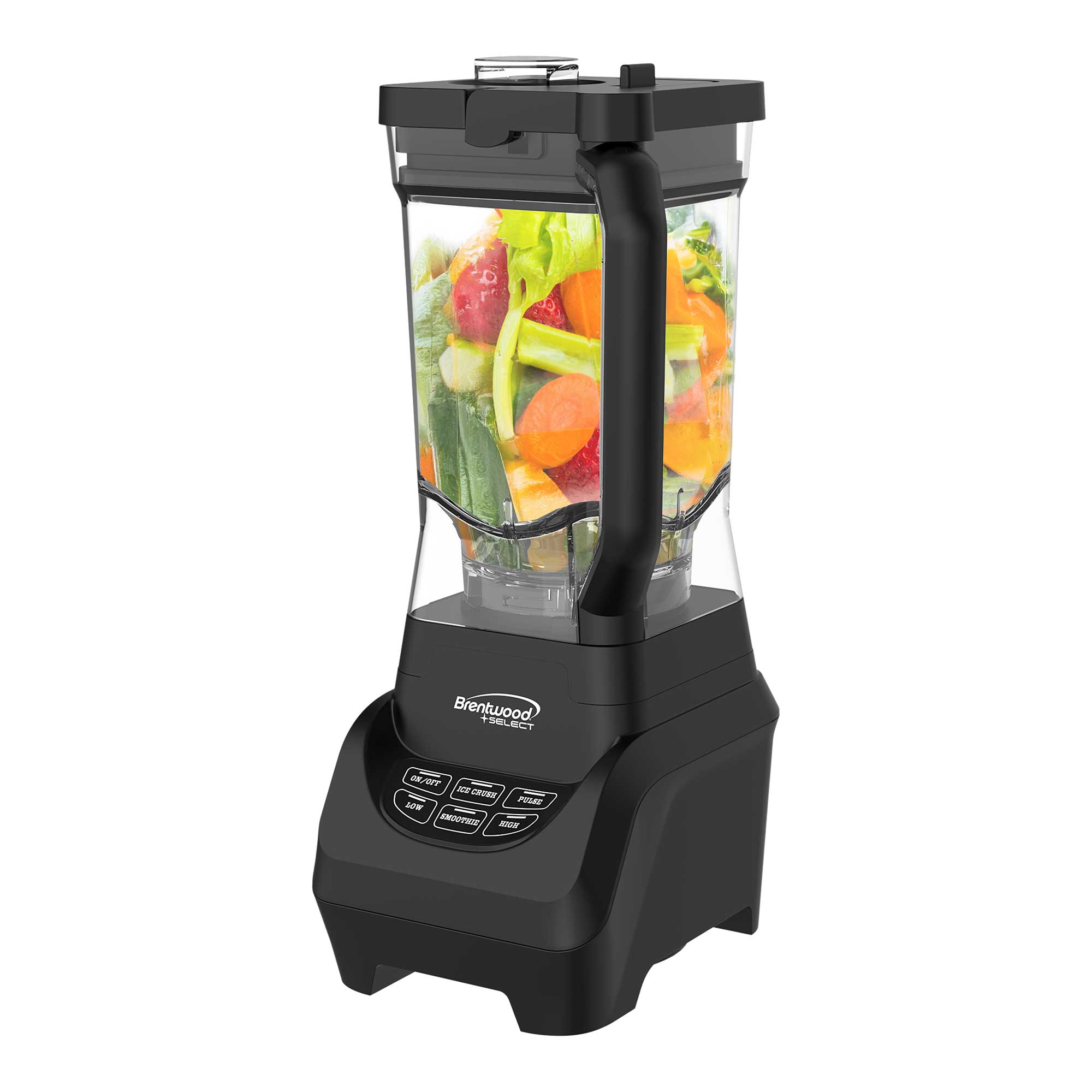
- Jar or pitcher. Often dishwasher safe on the top rack. Tritan jars do best.
- Lid and measuring cap. Often safe on the top rack. Avoid the lower rack.
- Blade assembly. Many brands are safe, but check the manual. Some have a sealed bearing that needs care.
- Gasket or O-ring. Often safe, but heat can age rubber or silicone faster.
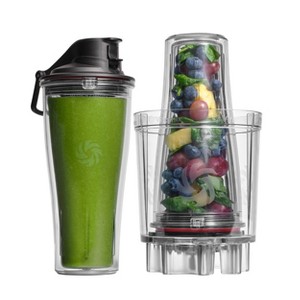
- Single-serve cups. Most are safe on the top rack. Lids with sip seals also go on top.
- Tamper. Many are dishwasher safe on the top rack. Dry well after washing.
- Motor base. Never dishwasher safe. Wipe with a damp cloth only.
Brand rules can vary. Some Ninja and NutriBullet cups are top-rack safe. Some Vitamix jars are top-rack safe, but many users hand wash to keep a clear look. Check the manual to nail How To Use Dishwasher Safe Blender Parts for your exact model.

Step-by-Step: How To Use Dishwasher Safe Blender Parts
Use this quick workflow after smoothies, soups, or sauces. It keeps parts clean and safe.
- Unplug and disassemble. Remove the jar, lid, cap, blade, and gasket.
- Pre-rinse with warm water. Spin the jar under the tap. This lifts sugars and proteins.
- Scrape thick bits. Peanut butter and hummus need a quick swipe with a spatula.
- Load the top rack. Place the jar at an angle so water drains. This follows the best rule for How To Use Dishwasher Safe Blender Parts.
- Use a small-parts basket. Keep the gasket, cap, and blade in a mesh basket. This stops them from flying around.
- Choose a normal cycle. Avoid sanitize or high-heat dry if the manual warns against it.
- Use a mild detergent. Strong pods can haze some plastics over time.
- Skip the heated dry. Open the door at the end. Let parts air dry.
- Inspect and reassemble. Check the gasket sits flat. Turn the blade by hand to confirm it moves well.
- Store with airflow. Keep the lid off the jar to prevent odors.
This is the simplest way to practice How To Use Dishwasher Safe Blender Parts every day. It saves time, protects parts, and keeps the jar clear.

Pro Tips, Mistakes To Avoid, And Care Hacks
Here are tips I learned after hundreds of blends at home and on set.
- Pre-rinse right away. Dried smoothie is like glue. A quick rinse now saves scrubbing later.
- Use warm water with a drop of soap. Give it a 10-second shake before loading the dishwasher.
- Do not crowd the top rack. Water needs to reach every part.
- Keep blades from hitting other items. Metal-on-metal can chip edges and cause noise.
- Avoid bleach and abrasive scrubbers. They scratch plastic and dull shine.
- If it smells, soak parts in a mix of baking soda and warm water for 30 minutes.
- If plastic looks cloudy, try a white vinegar soak for 15 minutes, then rinse.
Common mistakes that ruin parts fast:
- Running sanitize cycles on soft plastics. This can warp lids and gaskets.
- Putting the jar over the heating element. The bottom rack runs hot.
- Forgetting the gasket in the lid. Food builds up and can smell or leak.
- Over-tightening a blade assembly after a hot cycle. Wait until parts cool.
Use these to master How To Use Dishwasher Safe Blender Parts the smart way, not the hard way.

Safety, Hygiene, And Material Basics
Most modern jars use BPA-free Tritan. It is tough and clear. It resists heat well on the top rack. Lids and caps are often polypropylene, which also holds up well.
Gaskets can be silicone or rubber. Silicone lasts longer under heat. Rubber can harden with many hot cycles. Check the part every few months and replace if it cracks or flattens.
Food safety counts. Blenders touch raw fruits, dairy, and proteins. A full clean stops biofilm and odors. A normal dishwasher cycle with good rinse action is enough for home use. This is why learning How To Use Dishwasher Safe Blender Parts is not only about ease. It also protects your health.

Troubleshooting And When To Hand Wash Instead
Look for these signs that a part needs a softer touch.
- Cloudy or etched plastic. Switch to hand wash to slow wear.
- Warped lid or loose gasket. Hand wash and replace the gasket if needed.
- Rust on the blade hub. Some hubs are not stainless. Dry fast and hand wash next time.
- Leaks after a cycle. Reseat the gasket. If leaks persist, replace the seal.
- Bad odor. Soak in baking soda water. Then run a short dishwasher cycle on the top rack.
If your blender has a fixed blade in the jar, fill it halfway with warm water and a drop of soap. Blend for 15 seconds. Rinse. Then run a short top-rack cycle if the jar is rated safe. This method fits well with How To Use Dishwasher Safe Blender Parts while keeping things easy.
Buying Guide: If You’re Shopping For Dishwasher Safe Blender Parts
If you buy a new blender or spare parts, look for these features.
- Clear labeling. The manual or the part itself should say “top rack dishwasher safe.”
- Tritan jar. It stays clear longer and resists heat better than many other plastics.
- Replaceable gaskets. Easy spares make leaks a quick fix.
- Sealed bearing blades. Better against water, but still dry them well.
- Brand support. Make sure cups, lids, and gaskets are easy to find.
Before you buy, read owner reviews that mention dishwashers. This is the best real-world test of How To Use Dishwasher Safe Blender Parts across brands.

Frequently Asked Questions of How To Use Dishwasher Safe Blender Parts
Can I put the blade in the dishwasher?
Often yes, on the top rack, if the manual allows it. Place it in a small basket to protect the edge and other dishes.
Which rack is best for blender parts?
Use the top rack for jars, lids, gaskets, and blades. Heat is lower there, which helps prevent warping and clouding.
Will the dishwasher dull blender blades?
Over time, harsh detergents and metal contact can dull edges. Use a small-parts basket and avoid abrasive detergents to slow wear.
Can I use the heated dry cycle?
Only if the manual says it is safe. Heated dry can shrink gaskets and haze plastics, so air drying is safer.
How often should I remove and clean the gasket?
Do it every use if you blend sticky or dairy drinks. At least once a week for general use to prevent odors and leaks.
Is the motor base ever dishwasher safe?
No, never. Wipe the base with a damp cloth and keep water away from vents and controls.
Conclusion
Dishwasher cleaning can be fast, safe, and kind to your blender. Know each part, use the top rack, skip harsh heat, and check the gasket. With a few smart steps, you can master How To Use Dishwasher Safe Blender Parts and keep your setup fresh and leak-free.
Put these tips to work on your next blend. Then share your results or questions in the comments. Want more kitchen gear guides? Subscribe for new, tested advice each week.