For real-time tracking, Lingo CGM delivers accurate insights, easy setup, and smart coaching.
You eat a “healthy” bowl of oatmeal and still crash by 11 a.m. Or you skip lunch and end up jittery and foggy. The truth is, your glucose curve writes the real story. I’ve tested many trackers, and a good CGM shows you what your meals, workouts, and sleep actually do in real time. If you want fewer crashes, steadier energy, and better choices without guesswork, you need a sensor that’s simple, accurate, and gives coaching you can act on fast.
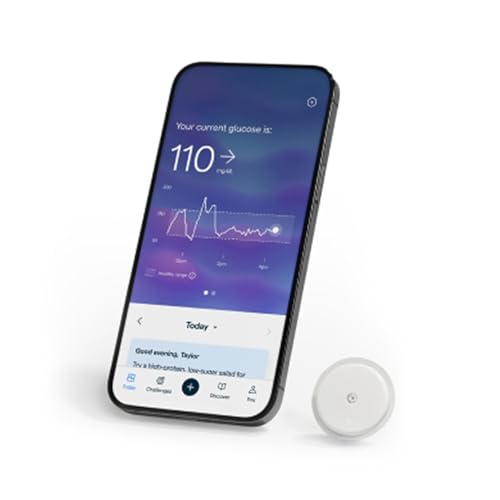
Is Lingo Continuous Glucose Monitor (CGM) Good?
Yes—if you want clear, real-time glucose data with friendly coaching, the Lingo Continuous Glucose Monitor (CGM) is a strong pick. It’s made by Abbott, runs up to 14 days per sensor, and works on iOS and Android. I found it great for people who want better energy, control cravings, and fine-tune nutrition without lab work or guesswork. If you manage diabetes or have medical needs, ask your doctor first. For wellness tracking, it hits the sweet spot.
Two quick stories. After pizza night, Lingo Continuous Glucose Monitor (CGM) showed my spike and long tail. I paired a salad and walk next time—problem solved. On a busy workday, I tried a protein-rich breakfast. My curve stayed flat, and I avoided the 3 p.m. crash. Lingo Continuous Glucose Monitor (CGM) made that win obvious and repeatable.

My First Impression for Lingo Continuous Glucose Monitor (CGM)
It arrived in clean, modern packaging with clear steps and visuals. The applicator felt solid, and the sensor looked slim and low profile. I wiped my arm, lined it up, and pressed. Click. Painless and done in seconds. Setup in the app was quick. Pair, start warm-up, and you’re off.
My first readouts made me smile. The Lingo Continuous Glucose Monitor (CGM) graph was smooth and fast to load. I walked 15 minutes after dinner and watched the curve ease down in near real time. It felt like turning on a light in a dark room. At last, I could see what worked for me.

What Makes It Stand Out / Key Features
- Real-time glucose tracking with clear, live graphs and trend arrows
- Up to 14-day sensor wear to reduce swaps and keep data flowing
- Smart insights and nudges to time meals, walks, and snacks better
- Works with iOS and Android; simple pairing and steady sync
- Low-profile, discreet sensor that sits flat under clothes
- Event tagging for meals, workouts, and sleep to spot patterns
- Data-driven “coaching” to help reduce spikes and crashes

What I Like
- Actionable tips: “Walk now” or “add protein” that actually help
- Fast, smooth app with a clear score and clean charts
- Stable readings that match how I feel day to day
- Small, comfy sensor; I forgot it was there after a few hours
- Meal and workout tags make patterns jump out fast
- Helpful alerts for rising or dropping trends

What Could Be Better
- Adhesive can be sensitive for a few users; prep skin well
- Coaching is wellness-focused, not medical advice
- Data export is basic; power users may want deeper analytics

My Recommendation
If you want to learn how your food and habits affect energy in real time, the Lingo Continuous Glucose Monitor (CGM) is a smart buy. It’s best for people chasing better focus, fewer slumps, and stronger workout timing. The sensor lasts up to 14 days and the app makes choices simple. I recommend Lingo Continuous Glucose Monitor (CGM) for busy pros, fitness fans, and anyone who wants clear wins fast. For medical care, talk to your doctor; this tool is for wellness insights. Overall value is strong given the smooth setup, guidance, and consistent tracking.
| Best for | Why |
|---|---|
| Busy professionals | Quick insights and nudges reduce crashes during work hours |
| Fitness enthusiasts | See pre/post-workout trends to time carbs and recovery |
| Nutrition tinkerers | Test meals, swaps, and snacks to flatten your curve |
Alternative Products You Can Consider
Dexcom G7 — Great for people who need a highly responsive, medical-grade CGM with strong alerts. It offers excellent accuracy and a tiny sensor. It’s ideal if you work with a clinician or need alarms for tighter control. Compared to Lingo Continuous Glucose Monitor (CGM), Dexcom G7 is more clinical and may require prescriptions depending on your use case.
FreeStyle Libre 3 — Ultra-small sensor with strong performance and a proven track record. Great for users who want a thin profile and very low-lag data. It’s known for reliable readings and comfort. Versus Lingo Continuous Glucose Monitor (CGM), Libre 3 leans medical and ecosystem-driven; Lingo leans wellness with coaching.
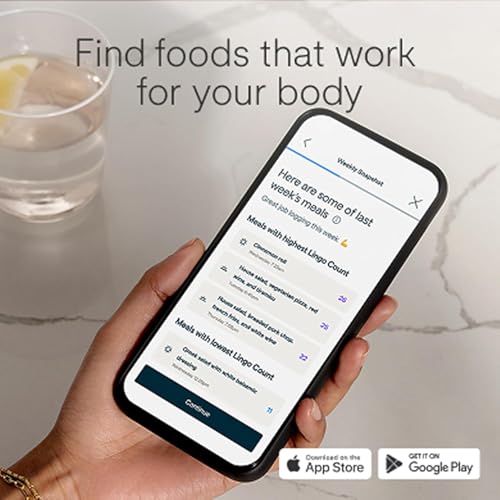
Ultrahuman M1 Glucose Monitor — Pairs sensor data with a lifestyle app that emphasizes food scoring and metabolic coaching. Good for people who want a broader habit stack and content-rich guidance. Compared to Lingo Continuous Glucose Monitor (CGM), it focuses more on behavior loops and education within the app.
| Product | Best For | Key Difference |
|---|---|---|
| Lingo Continuous Glucose Monitor (CGM) | Wellness tracking and real-time coaching | User-friendly insights and 14-day wear |
| Dexcom G7 | Clinical-grade tracking with robust alerts | Medical focus; tighter alerting and integrations |
| FreeStyle Libre 3 | Discreet sensor with reliable accuracy | Ultra-small sensor; medical ecosystem first |
| Ultrahuman M1 | Coaching-heavy habit building | Strong content and behavior loops |

Final Verdict: Which Should You Buy?
If you want simple setup, clear insights, and steady nudges to improve daily choices, the Lingo Continuous Glucose Monitor (CGM) is my top pick. It balances comfort, clean data, and coaching well. It fits busy people and fitness-minded users who want results without a complex plan.
Dexcom G7 shines for medical-grade alerting and clinical workflows. If you need tight alarms or doctor-led care, it’s a strong route. FreeStyle Libre 3 is compact and proven, great if you value a super-small sensor with reliable tracking. Ultrahuman M1 is worth a look if you want heavy coaching content and habit loops. Choose the path that matches your needs, time, and goals—and always check with your clinician for medical use.
FAQs Of Best Continuous Glucose Monitor For Real Time Tracking
Does Lingo require a prescription?
No. Lingo is designed for wellness insights in the US. It does not replace medical care. Ask your doctor for medical needs.
How long does one Lingo sensor last?
Up to 14 days. That means fewer swaps and more complete trend lines.
Is the insertion painful?
Most people feel a brief press or a tiny pinch. I felt almost nothing. The sensor is slim and low profile.
Does it work on both iPhone and Android?
Yes. Lingo supports iOS and Android. Check the app listing for specific version support.
Will it help with weight loss?
It can support smarter food choices and timing. That may help your plan. It is not a medical device for weight loss. Use it with healthy habits and guidance.